Morphe Cloudlight Soft Glow Veil Finishing Powder Versus Hourglass Cosmetics Vanish Airbrush Pressed Powder

What's inside
What's inside
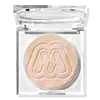 Key Ingredients
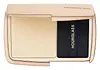
Benefits
Concerns
Ingredients Side-by-side
Synthetic Fluorphlogopite
Hdi/Trimethylol Hexyllactone Crosspolymer
Vinyl Dimethicone/Methicone Silsesquioxane Crosspolymer


Silica
Abrasive

Talc
Abrasive
Mica
Cosmetic ColorantOctyldodecyl Stearoyl Stearate
Emollient

Triethylhexanoin
MaskingSorbitan Stearate
Emulsifying
Hydrogenated Polyisobutene
Emollient1,2-Hexanediol
Skin Conditioning
Dimethiconol
Emollient
Phenoxyethanol
Preservative
Dimethicone
Emollient
Xanthan Gum
EmulsifyingPolysorbate 80
Emulsifying
Tocopheryl Acetate
Antioxidant


Aminopropyl Triethoxysilane
SurfactantTriethoxycaprylylsilane
Lauroyl Lysine
Skin Conditioning
Caprylyl Glycol
Emollient
Ethylhexylglycerin
Skin ConditioningAluminum Hydroxide
EmollientTin Oxide
Abrasive
Sodium Hyaluronate
Humectant



Butyrospermum Parkii Butter
Skin Conditioning


Squalane
Emollient
Maltodextrin
Absorbent
Tocopherol
Antioxidant
CI 77891
Cosmetic ColorantCI 77491
Cosmetic ColorantCI 77492
Cosmetic ColorantCI 77499
Cosmetic ColorantCI 75470
Cosmetic ColorantSynthetic Fluorphlogopite, Hdi/Trimethylol Hexyllactone Crosspolymer, Vinyl Dimethicone/Methicone Silsesquioxane Crosspolymer, Silica, Talc, Mica, Octyldodecyl Stearoyl Stearate, Triethylhexanoin, Sorbitan Stearate, Hydrogenated Polyisobutene, 1,2-Hexanediol, Dimethiconol, Phenoxyethanol, Dimethicone, Xanthan Gum, Polysorbate 80, Tocopheryl Acetate, Aminopropyl Triethoxysilane, Triethoxycaprylylsilane, Lauroyl Lysine, Caprylyl Glycol, Ethylhexylglycerin, Aluminum Hydroxide, Tin Oxide, Sodium Hyaluronate, Butyrospermum Parkii Butter, Squalane, Maltodextrin, Tocopherol, CI 77891, CI 77491, CI 77492, CI 77499, CI 75470
Mica
Cosmetic ColorantMagnesium DNA
Skin ConditioningPotassium PCA
Humectant
Silicon
Abrasive
Sodium Fluoride
Potassium Hydroxide
BufferingTin Oxide
Abrasive
Synthetic Fluorphlogopite
Silica
Abrasive
Phenyl Trimethicone
Skin Conditioning
Boron Nitride
Absorbent
CI 77220
Cosmetic ColorantMagnesium Myristate
Pentaerythrityl Tetraethylhexanoate
Emollient
Triethoxycaprylylsilane
Caprylyl Glycol
Emollient
Dimethicone
Emollient
Ethylhexylglycerin
Skin ConditioningHydrogen Dimethicone
Aluminum Dimyristate
Emulsion StabilisingAllantoin
Skin Conditioning
Isopropyl Titanium Triisostearate
Emollient
Isostearic Acid
Cleansing
Tocopherol
Antioxidant
CI 77007
Cosmetic ColorantCI 77491
Cosmetic ColorantCI 77492
Cosmetic ColorantCI 77499
Cosmetic ColorantMica, Magnesium DNA, Potassium PCA, Silicon, Sodium Fluoride, Potassium Hydroxide, Tin Oxide, Synthetic Fluorphlogopite, Silica, Phenyl Trimethicone, Boron Nitride, CI 77220, Magnesium Myristate, Pentaerythrityl Tetraethylhexanoate, Triethoxycaprylylsilane, Caprylyl Glycol, Dimethicone, Ethylhexylglycerin, Hydrogen Dimethicone, Aluminum Dimyristate, Allantoin, Isopropyl Titanium Triisostearate, Isostearic Acid, Tocopherol, CI 77007, CI 77491, CI 77492, CI 77499
Ingredients Explained
These ingredients are found in both products.
Ingredients higher up in an ingredient list are typically present in a larger amount.
Caprylyl Glycol is a humectant, skin conditioner, emollient, and preservative booster derived from either caprylic acid or synthetically created.
Typical use levels vary from 0.3-1% as a preservative booster and go up to 2% to condition skin.
Because it is not a free-fatty acid, this ingredient is fungal acne safe (there's nothing for Malassezia to feed on).
Learn more about Caprylyl GlycolCi 77491 is also hydrated iron III oxide. It's sole purpose is to give a red/pink hue to products.
Iron III oxides are classified as inorganic chemicals for coloring.
Synthetically created Ci 77491 is considered safer than those naturally found. This is because the synthetically created version may contain less impurities. Iron oxides are generally non-toxic and non-allergenic.
Learn more about CI 77491CI 77492 is also hydrated iron III oxide. It's sole purpose is to give a yellow hue to products.
Iron III oxides are classified as inorganic chemicals for coloring.
Synthetically created CI 77492 is considered safer than those naturally found. This is because the synthetically created version may contain less impurities. Iron oxides are generally non-toxic and non-allergenic.
Learn more about CI 77492Ci 77499 is also hydrated iron III oxide. It is created from mixing red and black iron oxides. This helps give shades of darkness to a product.
Iron III oxides are classified as inorganic chemicals for coloring.
Dimethicone is a type of synthetic silicone created from natural materials such as quartz. It is also known as polydimethylsiloxane.
What it does:
Dimethicone comes in different viscosities:
Depending on the viscosity, dimethicone has different properties.
Ingredients lists don't always show which type is used, so we recommend reaching out to the brand if you have questions about the viscosity.
This ingredient is unlikely to cause irritation because it does not get absorbed into skin. However, people with silicone allergies should be careful about using this ingredient.
Note: Dimethicone may contribute to pilling. This is because it is not oil or water soluble, so pilling may occur when layered with products. When mixed with heavy oils in a formula, the outcome is also quite greasy.
Learn more about DimethiconeEthylhexylglycerin is created from glycerin. It is a multitasker ingredient that:
The CIR Expert Panel found minimal skin absorption or sensitization of any kind in a safety assessment. Though this ingredient is considered well-tolerated, a small number of cases of allergic dermatitis have been published since 2002. Just be sure to patch test if you are unsure.
Industry-reported use ranges from 8% in rinse-off products and 2% in leave-on formulations.
Learn more about EthylhexylglycerinMica is a naturally occurring mineral used to add shimmer and color in cosmetics. It can also help improve the texture of a product or give it an opaque, white/silver color.
Serecite is the name for very fine but ragged grains of mica.
This ingredient is often coated with metal oxides like titanium dioxide. Trace amounts of heavy metals may be found in mica, but these metals are not harmful in our personal products.
Mica has been used since prehistoric times throughout the world. Ancient Egyptian, Indian, Greek, Roman, Aztec, and Chinese civilizations have used mica.
Learn more about MicaSilica, also known as silicon dioxide, is a naturally occurring mineral. It is used as a fine, spherical, and porous powder in cosmetics.
Though it has exfoliant properties, the function of silica varies depending on the product.
The unique structure of silica enhances the spreadability and adds smoothness, making it a great texture enhancer.
It is also used as an active carrier, emulsifier, and mattifier due to its ability to absorb excess oil.
In some products, tiny microneedles called spicules are made from silica or hydrolyzed sponge. When you rub them in, they lightly polish away dead skin layers and enhance the penetration of active ingredients.
Learn more about SilicaSynthetic Fluorphlogopite is the synthethic version of mica. It consists of fluorine, aluminum and silicate.
Synthetic Fluorphlogopite is used to add volume to products.
It is considered non-irritating on the skin.
Learn more about Synthetic FluorphlogopiteTin Oxide is an inorganic oxide used to add opacity and volume to a product. In nature, it is already found in mineral form. The main ore of tin is an opaque and shiny mineral called casseterite.
Tin Oxide helps remove translucency in a product, or make it more opaque. Besides adding opacity, tin oxide is used for bulking to add volume.
Tocopherol is a fat-soluble antioxidant known as Vitamin E.
You'll find this ingredient in the vast majority of skincare (for good reason). It works to neutralize free radicals, or unstable molecules generated by UV exposure, pollution, and other environmental stressors, before they can cause oxidative damage to your skin cells.
Topically applied tocopherol has been shown to protect against UV damage by ramping up the skin's own natural defense enzymes.
It also acts as a skin conditioning agent; some studies show that regular topical use can improve the skin's water-binding capacity over 2-4 weeks.
This ingredient is especially loved for being a team player. When combined with Vitamin C, the photoprotective effect of both ingredients roughly doubles and the combo also helps reduce UV-induced DNA damage.
This ingredient has some brightening potential but it's more of a prevention ingredient than spot-fader. Cell studies show it can slow down melanin production but it's worth noting that it's not the most powerful brightener out there.
In formulations, it also serves as a stabilizer that helps protect other oxidation-prone ingredients from degrading.
Concentrations usually range from 0.1-1% in most leave-on products.
Learn more about TocopherolTriethoxycaprylylsilane is a silicon-based surface modifier that makes sunscreens feel silky and makeup stay put.
Its main job is to coat mineral particles like titanium dioxide, zinc oxide, and color pigments in a thin, oily layer so they spread smoothly, don't clump, and stick to skin better.
This ingredient is typically used at low levels (up to 2.5% in eyeshadow and 1% in lipstick).
Learn more about Triethoxycaprylylsilane

