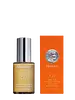
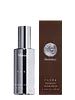
This anti-aging moisturizer is formulated around Retinol and Aloe Barbadensis Leaf Extract to soften the look of wrinkles and refine skin texture.
This hydrating serum is formulated around Aloe Barbadensis Leaf Extract and Rosa Canina Fruit Oil to hydrate skin and calm redness.

What's inside
What's inside
 Key Ingredients
Benefits
Concerns
Ingredients Side-by-side
Aloe Barbadensis Leaf Extract
Emollient


Glycerin
Humectant

Oenothera Biennis Oil
Emollient




Hamamelis Virginiana Extract
Antiseborrhoeic

Leuconostoc/Radish Root Ferment Filtrate
Antimicrobial
Simmondsia Chinensis Seed Oil
Emollient
Water
Skin ConditioningTocopherol
Antioxidant




Cera Alba
Emollient
Alcohol
Antimicrobial
Sodium Hyaluronate
Humectant
Artemisia Pallens Flower Oil
Masking

Rosa Damascena Flower Oil
Masking
Pelargonium Graveolens Flower Oil
Masking
Hydroxyethylcellulose
Emulsion StabilisingOryza Sativa Leaf Extract
Skin ConditioningCentella Asiatica Extract
Cleansing
Retinol
Skin Conditioning



Taraxacum Officinale Extract
Skin ConditioningJuniperus Virginiana Oil
Masking
Algae Extract
Emollient
Camellia Sinensis Leaf Extract
Antimicrobial
Beta-Glucan
Skin Conditioning
Lonicera Japonica Callus Extract
Skin ProtectingLonicera Caprifolium Extract
AstringentPopulus Tremuloides Bark Extract
AntiseborrhoeicEquisetum Arvense Extract
AstringentAloe Barbadensis Leaf Extract, Glycerin, Oenothera Biennis Oil, Hamamelis Virginiana Extract, Leuconostoc/Radish Root Ferment Filtrate, Simmondsia Chinensis Seed Oil, Water, Tocopherol, Cera Alba, Alcohol, Sodium Hyaluronate, Artemisia Pallens Flower Oil, Rosa Damascena Flower Oil, Pelargonium Graveolens Flower Oil, Hydroxyethylcellulose, Oryza Sativa Leaf Extract, Centella Asiatica Extract, Retinol, Taraxacum Officinale Extract, Juniperus Virginiana Oil, Algae Extract, Camellia Sinensis Leaf Extract, Beta-Glucan, Lonicera Japonica Callus Extract, Lonicera Caprifolium Extract, Populus Tremuloides Bark Extract, Equisetum Arvense Extract
Aloe Barbadensis Leaf Extract
Emollient
Rubus Idaeus Seed Oil
Emollient
Rosa Canina Fruit Oil
Emollient
Michelia Alba Leaf Oil
Masking
Leuconostoc/Radish Root Ferment Filtrate
Antimicrobial
Sodium Hyaluronate
Humectant
Salvia Sclarea Oil
Masking
Sodium Benzoate
Masking
Salvia Officinalis Oil
Masking
Rosa Damascena Flower Oil
Masking
Erythorbic Acid
Antioxidant
Cera Alba
Emollient
Xanthan Gum
EmulsifyingLavandula Angustifolia Oil
Masking
Citric Acid
Buffering
Lonicera Japonica Callus Extract
Skin ProtectingPopulus Tremuloides Bark Extract
AntiseborrhoeicJasminum Officinale Oil
Masking
Aniba Rosaeodora Wood Oil
Astringent
Potassium Sorbate
Preservative
Calcium Gluconate
HumectantBenzyl Alcohol
Perfuming
Benzyl Benzoate
Antimicrobial
Citral
Perfuming
Citronellol
Perfuming
Eugenol
Perfuming
Farnesol
Perfuming
Geraniol
Perfuming
Limonene
Perfuming
Linalool
Perfuming
Aloe Barbadensis Leaf Extract, Rubus Idaeus Seed Oil, Rosa Canina Fruit Oil, Michelia Alba Leaf Oil, Leuconostoc/Radish Root Ferment Filtrate, Sodium Hyaluronate, Salvia Sclarea Oil, Sodium Benzoate, Salvia Officinalis Oil, Rosa Damascena Flower Oil, Erythorbic Acid, Cera Alba, Xanthan Gum, Lavandula Angustifolia Oil, Citric Acid, Lonicera Japonica Callus Extract, Populus Tremuloides Bark Extract, Jasminum Officinale Oil, Aniba Rosaeodora Wood Oil, Potassium Sorbate, Calcium Gluconate, Benzyl Alcohol, Benzyl Benzoate, Citral, Citronellol, Eugenol, Farnesol, Geraniol, Limonene, Linalool
Ingredients Explained
These ingredients are found in both products.
Ingredients higher up in an ingredient list are typically present in a larger amount.
Aloe Barbadensis Leaf Extract is a botanical extract pulled from the leaves of aloe vera and one of the most studied plant ingredients in cosmetics.
The inner leaf gel it comes from is mostly water (~99-99.5%) and the remaining fraction is made up of pretty good stuff: polysaccharides, vitamins, phenolics, and enzymes.
Its headline job is hydration.
The star polysaccharide in aloe, acemannan, is a humectant that retains moisture and helps reduce trans-epidermal water loss.
Aloe also has real soothing credentials; it contains anti-inflammatory compounds like bradykinase and C-glucosyl chromone that help calm irritation and redness.
On the repair side, lab work shows that acemannan wakes up your skin's repair cells (fibroblasts), prompting them to multiply and speed up healing.
There's some human data for cosmetic benefit too: a cream containing 10% Aloe Barbadensis leaf extract improved skin hydration and elasticity in a real-use study.
Safety-wise, this ingredient is well-regarded with just one rare downside; there have been some case reports of acute eczema, contact urticaria, and dermatitis in people who applied aloe-derived ingredients topically. Those with a known aloe or Liliaceae sensitivity should patch test.
Typical use levels range widely, from under 1% up to 90%+ depending on the format and the effect you are after.
Learn more about Aloe Barbadensis Leaf ExtractThis is another name for beeswax; it's a natural wax produced by honey bees to build their honeycomb.
Because it forms a protective layer on your skin, it can help lock in moisture and reduce water loss. It is also widely used as a thickener and emulsifier in lip balms and lotions. Research suggests beeswax containing moisturizers can support skin barrier integrity.
In comedogenic testing, Beeswax scored a 0-2, which is on the low end. Whether or not a product clogs your pores really comes down to the formula as a whole (not any single ingredient on its own) and your skin.
Beeswax is not vegan since it is animal-derived. It cannot be removed with water, but can be taken off with an oil cleanser.
People with a known Propolis allergy also report to have reactions from beeswax.
Beeswax's wax esters are derived primarily from palmitic and oleic acid (C16 and C18:1). Both of these fall within the C11-C24 feeding window.
The Malassezia yeast can potentially cleave these esters and release usable fatty acids, so this ingredient may not be fungal acne safe. However, not everyone will react to this ingredient.
Learn more about Cera AlbaLeuconostoc/Radish Root Ferment Filtrate is a natural preservative. It comes from fermenting radish roots with a bacteria called leuconostoc. The trade name for this ingredient is Leucidal.
Leuconostoc comes from lactic acid.
This ingredient has antimicrobial properties and helps prevent the growth of bacteria in a product.
Leuconostoc is used to make the traditional Korean side-dish, kimchi. It is also used to make sourdough bread (both incredibly yummy foods).
Learn more about Leuconostoc/Radish Root Ferment FiltrateWe don't have a description for Lonicera Japonica Callus Extract yet.
We don't have a description for Populus Tremuloides Bark Extract yet.
Rosa Damascena Flower Oil is an essential oil made from the Damask Rose. It is often used as a fragrance in cosmetics.
Rose Oil has antibacterial and antioxidant properties due to its terpene, glycoside, flavonoid, anthocyanin, and Vitamin C content.
Other major parts of Rose Oil include citronellol and geraniol. Both of these are known EU allergens and cause contact-allergies.
The downsides of this ingredient outweight the positives.
Learn more about Rosa Damascena Flower OilSodium Hyaluronate is the salt form of hyaluronic acid. It is a long sugar chain that is naturally found in your skin, joints, and connective tissue that maintains hydration and elasticity.
In skincare, it works as a humectant. It pulls water from the environment and deeper layers of skin and binds it to the surface.
Interestingly, the size of the molecule affects its behavior:
Some clinical evidence links low molecular weight versions to improved wrinkle depth, elasticity, anti-inflammatory effects, and barrier repair.
Many serums use a blend of both weights so you can get surface hydration plus longer-lasting and deeper effects.
You'll typically see concentrations between 0.1-2% for this ingredient.
Learn more about Sodium Hyaluronate

