This oil-based makeup remover is made to dissolve makeup, sunscreen, and daily buildup.
This oil-based makeup remover is made to dissolve makeup, sunscreen, and daily buildup.


What's inside
What's inside
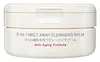 Key Ingredients
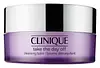
Benefits
Concerns
Ingredients Side-by-side
Ethylhexyl Palmitate
Emollient




PEG-20 Glyceryl Triisostearate
Emollient
Synthetic Wax
Abrasive
Dimer Dilinoleyl Dimer Dilinoleate
EmollientPEG-5 Glyceryl Triisostearate
Emollient
Tocopherol
Antioxidant







Rosa Damascena Flower Oil
Masking




Pelargonium Graveolens Oil
Masking
Camellia Sinensis Seed Oil
Humectant
Prunus Armeniaca Kernel Oil
Masking
Rosa Canina Fruit Oil
Emollient
Vitis Vinifera Seed Oil
Emollient
Alaria Esculenta Extract
Skin ProtectingPhysalis Angulata Extract
Skin ProtectingUndaria Pinnatifida Extract
Skin ConditioningPassiflora Edulis Seed Oil
Emollient
Salvia Hispanica Seed Oil
Emollient
Hydrogenated Vegetable Oil
Emollient
Crithmum Maritimum Extract
Skin ConditioningSclerocarya Birrea Seed Oil
Humectant
Phoenix Dactylifera Seed Extract
MoisturisingCitrullus Lanatus Seed Oil
Emollient
Solanum Lycopersicum Fruit/Leaf/Stem Extract
AstringentPersea Gratissima Oil
Skin Conditioning
Rosmarinus Officinalis Leaf Extract
AntimicrobialHelianthus Annuus Seed Oil
Emollient
Squalene
Emollient
Jojoba Oil/Macadamia Seed Oil Esters
Skin Conditioning
Phytosteryl Macadamiate
Skin Conditioning
Echium Plantagineum Seed Oil
Skin Conditioning
Cardiospermum Halicacabum Flower/Leaf/Vine Extract
Skin ConditioningHelianthus Annuus Seed Oil Unsaponifiables
Emollient
Olea Europaea Fruit Oil
Masking
Simmondsia Chinensis Seed Oil
Emollient
Argania Spinosa Kernel Oil
Emollient
Oryza Sativa Germ Oil
Emollient
Limnanthes Alba Seed Oil
Skin Conditioning
Ascorbyl Tetraisopalmitate
Antioxidant
Prinsepia Utilis Seed Oil
Emollient
Lupinus Albus Seed Extract
Skin ConditioningIrvingia Gabonensis Kernel Butter
Skin Conditioning
Brassica Campestris Sterols
EmollientHydrogenated Coco-Glycerides
Emollient
Octyldodecanol
Emollient
Phytosterols
Skin Conditioning
Caprylic/Capric Triglyceride
Masking
Phenoxyethanol
Preservative
Ethylhexyl Palmitate, PEG-20 Glyceryl Triisostearate, Synthetic Wax, Dimer Dilinoleyl Dimer Dilinoleate, PEG-5 Glyceryl Triisostearate, Tocopherol, Rosa Damascena Flower Oil, Pelargonium Graveolens Oil, Camellia Sinensis Seed Oil, Prunus Armeniaca Kernel Oil, Rosa Canina Fruit Oil, Vitis Vinifera Seed Oil, Alaria Esculenta Extract, Physalis Angulata Extract, Undaria Pinnatifida Extract, Passiflora Edulis Seed Oil, Salvia Hispanica Seed Oil, Hydrogenated Vegetable Oil, Crithmum Maritimum Extract, Sclerocarya Birrea Seed Oil, Phoenix Dactylifera Seed Extract, Citrullus Lanatus Seed Oil, Solanum Lycopersicum Fruit/Leaf/Stem Extract, Persea Gratissima Oil, Rosmarinus Officinalis Leaf Extract, Helianthus Annuus Seed Oil, Squalene, Jojoba Oil/Macadamia Seed Oil Esters, Phytosteryl Macadamiate, Echium Plantagineum Seed Oil, Cardiospermum Halicacabum Flower/Leaf/Vine Extract, Helianthus Annuus Seed Oil Unsaponifiables, Olea Europaea Fruit Oil, Simmondsia Chinensis Seed Oil, Argania Spinosa Kernel Oil, Oryza Sativa Germ Oil, Limnanthes Alba Seed Oil, Ascorbyl Tetraisopalmitate, Prinsepia Utilis Seed Oil, Lupinus Albus Seed Extract, Irvingia Gabonensis Kernel Butter, Brassica Campestris Sterols, Hydrogenated Coco-Glycerides, Octyldodecanol, Phytosterols, Caprylic/Capric Triglyceride, Phenoxyethanol
Reviews
Ingredients Explained
These ingredients are found in both products.
Ingredients higher up in an ingredient list are typically present in a larger amount.
Caprylic/Capric Triglyceride (aka MCT Oil) is a lightweight emollient, solvent, and texture enhancer. It is considered a skin-softener by helping to prevent moisture loss.
Though it behaves like an oil, it is not technically one due to its chemical composition. One perk of this ingredient is that it is very stable, resistant to oxidation, and unlikely to go rancid.
In practice, that translates to a long shelf life and a consistently elegant skin feel.
While there is an assumption Caprylic Triglyceride can clog pores due to it being derived from coconut oil, there is no research supporting this. Just patch test if you have concerns.
Fractionated coconut oil and MCT Oil are both listed as Caprylic/Capric Triglyceride according to INCI. This is because INCI names are based on the ingredient’s final chemical composition and not its marketing name or source.
This ingredient is treated as the gold standard fungal acne safe oil. Even though it is coconut derived, the problematic lauric acid is stripped out.
This leaves just caprylic (C8) and capric (C10) acid. These chain lengths actually trend antifungal; a 2020 study found caprylic acid was enough to disrupt Malassezia furfur cell membrane, with a caprylic acid derivative damaging membrane structures at concentrations as low as 0.2%.
Learn more about Caprylic/Capric TriglycerideEthylhexyl Palmitate, also known as octyl palmitate, is created from 2-ethylhexyl alcohol and palmitic acid.
In cosmetics, it plays many roles:
One thing worth noting: a controlled study found this ingredient applied under occlusion to acne-prone subjects increased microcomedones. Just keep in mind this was under occlusive conditions and don't reflect how most products are used day-to-day.
For most people, this is a well-tolerated and lightweight ingredient.
This ingredient may not be fungal acne safe because it is an ester of palmitic acid, a C16 fatty acid that falls within the C11-24 range that Malassezia can metabolize.
Learn more about Ethylhexyl PalmitatePEG-5 Glyceryl Triisostearate isn't fungal acne safe.
Phenoxyethanol is one of the most widely used preservatives in skincare (and for good reason!).
It has a large spectrum of antimicrobial activity and especially effective bacteria, yeast, and mold while only having a weak effect on your skin's natural microbiome.
On a cellular level, it disrupts the cell membranes of microbes by poking holes that make the cell leak. This shuts down the chemical reactions the microbe needs to make energy so it can no longer survive.
Another perk of this ingredient is that it stays functional across a wide pH range (3-10).
You'll often see it paired with boosters like Ethylhexylglycerin; one study showed that a 1:9 ratio of Ethylhexylglycerin to Phenoxyethanol damages bacterial membranes as effectively as doubling the Phenoxyethanol concentration on its own.
Typical use concentrations range from 0.3-1% depending on the formula, and this ingredient is capped at 1% int the EU.
Safety-wise, the fear mongering does not hold up to the evidence. The EU's Scientific Committee on Consumer Safety and FDA consider it safe as a preservative at up to 1%, including for children of all ages.
Adverse systemic effects only showed up in animal studies at exposures roughly 200x higher than what people get from cosmetics. And despite its very widespread use, this ingredient is a rare sensitizer and allergic reactions are uncommon.
Learn more about PhenoxyethanolTocopherol is a fat-soluble antioxidant known as Vitamin E.
You'll find this ingredient in the vast majority of skincare (for good reason). It works to neutralize free radicals, or unstable molecules generated by UV exposure, pollution, and other environmental stressors, before they can cause oxidative damage to your skin cells.
Topically applied tocopherol has been shown to protect against UV damage by ramping up the skin's own natural defense enzymes.
It also acts as a skin conditioning agent; some studies show that regular topical use can improve the skin's water-binding capacity over 2-4 weeks.
This ingredient is especially loved for being a team player. When combined with Vitamin C, the photoprotective effect of both ingredients roughly doubles and the combo also helps reduce UV-induced DNA damage.
This ingredient has some brightening potential but it's more of a prevention ingredient than spot-fader. Cell studies show it can slow down melanin production but it's worth noting that it's not the most powerful brightener out there.
In formulations, it also serves as a stabilizer that helps protect other oxidation-prone ingredients from degrading.
Concentrations usually range from 0.1-1% in most leave-on products.
Learn more about Tocopherol

