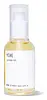
This hydrating essence is formulated around Lactobacillus/Punica Granatum Fruit Ferment Extract to hydrate skin.
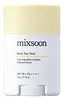
This chemical sunscreen covers the full UV range and blocks ~98% of UVB at SPF 50.

What's inside
What's inside
 Key Ingredients
Benefits
Concerns
No concerns
Ingredients Side-by-side
Silica
Abrasive


Synthetic Wax
Abrasive
Dibutyl Adipate
EmollientDicaprylyl Ether
Emollient
Coco-Caprylate/Caprate
Emollient
Dicaprylyl Carbonate
EmollientMicrocrystalline Wax
Emulsion StabilisingDiethylamino Hydroxybenzoyl Hexyl Benzoate
UV Filter
Butyloctyl Salicylate
Skin Conditioning
Ethylhexyl Triazone
UV Absorber
C18-21 Alkane
SolventBis-Ethylhexyloxyphenol Methoxyphenyl Triazine
UV Absorber
C12-15 Alkyl Benzoate
AntimicrobialEthylene/Propylene Copolymer
Abrasive
Glycerin
Humectant

Dipropylene Glycol
Humectant1,2-Hexanediol
Skin Conditioning
Bisabolol
Antioxidant


Polyglyceryl-2 Triisostearate
Emulsifying

Pentaerythrityl Tetra-Di-T-Butyl Hydroxyhydrocinnamate
Antioxidant
Water
Skin ConditioningHydrogenated Olive Oil Unsaponifiables
Emollient
Caprylic/Capric Triglyceride
Masking
Ethylhexylglycerin
Skin ConditioningHydrogenated Lecithin
Emulsifying
Polyglyceryl-10 Oleate
Skin Conditioning
Stearalkonium Hectorite
Gel FormingPolyglyceryl-3 Polyricinoleate
Emulsifying
Polyglyceryl-3 Diisostearate
Emulsifying

Adenosine
Skin Conditioning
Tocopherol
Antioxidant


Glycine Soja Oil
Emollient
Propanediol
Solvent
Butylene Glycol
Humectant
Lactobacillus/Soybean Ferment Extract
Skin ConditioningLactobacillus/Pear Juice Ferment Filtrate
Skin ConditioningLactobacillus/Punica Granatum Fruit Ferment Extract
Antioxidant
Saccharomyces/Barley Seed Ferment Filtrate
HumectantAndrographis Paniculata Extract
AstringentCarnosine
Skin Conditioning
Hydrolyzed Soy Protein
Humectant
Silica, Synthetic Wax, Dibutyl Adipate, Dicaprylyl Ether, Coco-Caprylate/Caprate, Dicaprylyl Carbonate, Microcrystalline Wax, Diethylamino Hydroxybenzoyl Hexyl Benzoate, Butyloctyl Salicylate, Ethylhexyl Triazone, C18-21 Alkane, Bis-Ethylhexyloxyphenol Methoxyphenyl Triazine, C12-15 Alkyl Benzoate, Ethylene/Propylene Copolymer, Glycerin, Dipropylene Glycol, 1,2-Hexanediol, Bisabolol, Polyglyceryl-2 Triisostearate, Pentaerythrityl Tetra-Di-T-Butyl Hydroxyhydrocinnamate, Water, Hydrogenated Olive Oil Unsaponifiables, Caprylic/Capric Triglyceride, Ethylhexylglycerin, Hydrogenated Lecithin, Polyglyceryl-10 Oleate, Stearalkonium Hectorite, Polyglyceryl-3 Polyricinoleate, Polyglyceryl-3 Diisostearate, Adenosine, Tocopherol, Glycine Soja Oil, Propanediol, Butylene Glycol, Lactobacillus/Soybean Ferment Extract, Lactobacillus/Pear Juice Ferment Filtrate, Lactobacillus/Punica Granatum Fruit Ferment Extract, Saccharomyces/Barley Seed Ferment Filtrate, Andrographis Paniculata Extract, Carnosine, Hydrolyzed Soy Protein
Reviews
Ingredients Explained
These ingredients are found in both products.
Ingredients higher up in an ingredient list are typically present in a larger amount.
Glycerin (or glycerol) is a compound naturally found in your skin. It's a powerhouse humectant that pulls water into the stratum corneum.
Topically, glycerin does several things at once:
Your skin makes glycerin on its own (mostly from sebaceous oil breakdown) and shuttles it to your outermost layer of skin, or your epidermis, via aquaporin-3.
Aquaporin-3 is a transporter that is essential for normal skin hydration, elasticity, and repair. Interestingly, mice lacking in AQP3 have dry and less elastic skin that can be fully corrected with glycerin.
This ingredient is non-irritating, plays well with almost every ingredient, and works across all skin types. Typical use is anywhere between 3-10% but can go up to 79% in some leave-on products.
Just know very high concentrations (>40%) can feel tacky in low humidity.
Glycerin is the name for this ingredient in American English. British English uses Glycerol/Glycerine.
Learn more about GlycerinThis ingredient is exactly what it sounds like: pear juice fermented with the Lactobacillus bacteria (the bacteria is filtered out of the final product).
The main thing that comes out of this process is lactic acid, an AHA.
Lactic acid is one of the more well-studied AHAs in skincare:
Fermentation also adds some bonus phenolic compounds with antioxidant activity.
The only catch with this ingredient is that it is difficult to tell how much lactic acid is in any given product. Ferment filtrates don't come with standardized acid concentration like a 5% lactic acid serum would; this just means the actual exfoliating effect will vary depending on the formula's overall percentage and pH.
Remember that AHAs make your skin more sun-sensitive, so be sure to wear sunscreen.
Learn more about Lactobacillus/Pear Juice Ferment FiltrateThis one is the fancy name for pomegranate enzyme. It is created by fermenting pomegranate (Punica Granatum) with Lactobacillus bacteria.
The fermentation step breaks down the fruit's bound polyphenols into smaller, more skin-available forms. Most notably, Punicalagin gets converted into Ellagic Acid.
What you end up with is a water-loving ingredient packed with plant antioxidants and a gentle skin-dissolving enzyme that works in two ways:
1) it fights daily damage from things like pollution and UV
2) it lightly loosens dead skin cells on the surface for a smoother, brighter look.
The antioxidant side is the better studied half. Pomegranate's natural compounds help neutralize unstable molecules that damage skin cells and lab studies on skin cells show they can also help calm inflammation.
Exfoliation from this ingredient is soft; it gently loosens dead skin cells on the surface. Even manufacturers admit it's not as strong as AHAs like glycolic acid.
A 2022 human trial on a fermented pomegranate serum reported improvements in moisture, brightness, elasticity, spots, and collagen density after 4-8 weeks.
This ingredient is recommended to be used at 1-3% by suppliers. Since the Lactobacillus is a fermenting organism rather than live culture in a final product, there's no known fungal acne concern.
Just be sure to patch test or avoid if you have known pomegranate allergies.
Learn more about Lactobacillus/Punica Granatum Fruit Ferment ExtractLactobacillus/Soybean Ferment Extract is the result of fermenting soybeans with the Lactobacillus bacteria. It mainly acts as a skin conditioning agent in a formula, and the interesting part is what fermentation does to the soy.
Fermenting soy:
The isoflavones are the workhorses behind the common claims; lab and animal studies show they mop up free radicals, help protect skin cells from UVB damage, and nudge fibroblasts to make more collagen while slowing the enzymes that break collagen down.
One controlled clinical study using an isoflavone cream reported softer wrinkles and better skin texture over time. A topical fermented soy extract also improved hydration and elasticity in an animal aging model.
The big caveat is that most of this evidence comes from soy isoflavones and related fermented soy extracts rather than this exact INCI. Some of the strongest data also comes from oral studies.
So it's best to think of this ingredient as a gentle, antioxidant-leaning conditioning agent rather than a proven wrinkle eraser.
At this time, there's no published concentration levels for this specific ferment but it usually shows up at modest levels in real products (~1% or less).
One last thing for people with soy allergies: it's always worth patch testing this ingredient despite the lowered allergy risk.
Learn more about Lactobacillus/Soybean Ferment ExtractPropanediol is an all-star ingredient. It softens, hydrates, and smooths the skin.
It’s often used to:
Propanediol is not likely to cause sensitivity and considered safe to use. It is derived from corn or petroleum with a clear color and no scent.
Learn more about PropanediolSaccharomyces/Barley Seed Ferment Filtrate is the filtered liquid you get after Saccharomyces yeast ferments barley seeds.
In skincare, it mainly works as a humectant and skin conditioning agent.
The fermentation part is interesting:
Research on fermented barley by-products shows that fermentation raises free amino acid, phenolic, and mineral content while breaking down larger molecules. This makes it easier for these compounds to absorb into skin and also gives the filtrate antioxidant potential.
An in vitro study on young barley extract found it boosted fibroblast survival/ migration after UVB exposure and lowered the enzymes that chew through collagen.
Related yeast ferment filtrates point the same direction; rice ferment filtrate increased collagen gene expression and reduced oxidative/inflammatory stress in skin cells.
Brands don't typically publish concentrations for this ingredient but it's used in low levels (commonly under a few percent).
Overall, this is a nice hydrating ingredient that can be added to any routine. Just keep in mind that the direct clinical proof is still thin at this time.
Learn more about Saccharomyces/Barley Seed Ferment FiltrateWater. It's the most common cosmetic ingredient of all. You'll usually see it at the top of ingredient lists, meaning that it makes up the largest part of the product.
So why is it so popular? Water most often acts as a solvent - this means that it helps dissolve other ingredients into the formulation.
You'll also recognize water as that liquid we all need to stay alive. If you see this, drink a glass of water. Remember to stay hydrated!
Learn more about Water

