

What's inside
What's inside
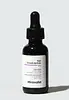 Key Ingredients
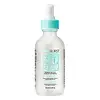
Benefits
Concerns
Ingredients Side-by-side
Butylene Glycol
Humectant

Water
Skin ConditioningDextran
Acetyl Tetrapeptide-3
Skin Protecting
Trifolium Pratense Flower Extract
AstringentPropanediol
Solvent
Arginine
Masking
Glycine Soja Germ Extract
EmollientTriticum Vulgare Germ Extract
Skin ConditioningScutellaria Baicalensis Root Extract
Astringent
Sodium Benzoate
Masking
Gluconolactone
Chelating






Calcium Gluconate
HumectantGlycerin
Humectant
PPG-26-Buteth-26
Skin ConditioningPEG-40 Hydrogenated Castor Oil
Emulsifying


Apigenin
Antioxidant
Oleanolic Acid
Skin ConditioningBiotinoyl Tripeptide-1
Pisum Sativum Sprout Extract
Skin ConditioningIsomalt
HumectantSodium Metabisulfite
Antioxidant
Larix Europaea Wood Extract
HumectantGlycine
Buffering
Zinc Chloride
AntimicrobialCamellia Sinensis Leaf Extract
Antimicrobial
Xylitylglucoside
Humectant
Anhydroxylitol
Humectant
Xylitol
Humectant
Saccharide Isomerate
Humectant
Sanguisorba Officinalis Root Extract
CleansingSerenoa Serrulata Fruit Extract
Skin Conditioning
Capryloyl Glycine
CleansingPhenoxyethanol
Preservative
Ethylhexylglycerin
Skin ConditioningCitric Acid
Buffering
Sodium Citrate
BufferingButylene Glycol, Water, Dextran, Acetyl Tetrapeptide-3, Trifolium Pratense Flower Extract, Propanediol, Arginine, Glycine Soja Germ Extract, Triticum Vulgare Germ Extract, Scutellaria Baicalensis Root Extract, Sodium Benzoate, Gluconolactone, Calcium Gluconate, Glycerin, PPG-26-Buteth-26, PEG-40 Hydrogenated Castor Oil, Apigenin, Oleanolic Acid, Biotinoyl Tripeptide-1, Pisum Sativum Sprout Extract, Isomalt, Sodium Metabisulfite, Larix Europaea Wood Extract, Glycine, Zinc Chloride, Camellia Sinensis Leaf Extract, Xylitylglucoside, Anhydroxylitol, Xylitol, Saccharide Isomerate, Sanguisorba Officinalis Root Extract, Serenoa Serrulata Fruit Extract, Capryloyl Glycine, Phenoxyethanol, Ethylhexylglycerin, Citric Acid, Sodium Citrate
Water
Skin ConditioningButylene Glycol
Humectant
Polysorbate 20
Emulsifying
Propanediol
Solvent
Heptyl Glucoside
SurfactantParfum
Masking



Polyacrylate Crosspolymer-6
Emulsion StabilisingAlcohol Denat.
Antimicrobial

Panthenol
Skin Conditioning
Caffeine
Skin Conditioning
Hydroxyacetophenone
Antioxidant
Potassium Sorbate
Preservative
Allantoin
Skin Conditioning
Xanthan Gum
EmulsifyingSalicylic Acid
Masking
PPG-26-Buteth-26
Skin ConditioningPEG-40 Hydrogenated Castor Oil
Emulsifying
Glycerin
Humectant
Lactic Acid
Buffering
Dextran
Citric Acid
Buffering
Nasturtium Officinale Leaf/Stem Extract
Skin ConditioningApigenin
Antioxidant
Acetyl Tetrapeptide-3
Skin Protecting
Trifolium Pratense Flower Extract
AstringentSodium Hydroxide
BufferingOleanolic Acid
Skin ConditioningBiotinoyl Tripeptide-1
Benzyl Alcohol
Perfuming
Coumarin
Perfuming
Amyl Cinnamal
Perfuming
Anise Alcohol
Perfuming
Water, Butylene Glycol, Polysorbate 20, Propanediol, Heptyl Glucoside, Parfum, Polyacrylate Crosspolymer-6, Alcohol Denat., Panthenol, Caffeine, Hydroxyacetophenone, Potassium Sorbate, Allantoin, Xanthan Gum, Salicylic Acid, PPG-26-Buteth-26, PEG-40 Hydrogenated Castor Oil, Glycerin, Lactic Acid, Dextran, Citric Acid, Nasturtium Officinale Leaf/Stem Extract, Apigenin, Acetyl Tetrapeptide-3, Trifolium Pratense Flower Extract, Sodium Hydroxide, Oleanolic Acid, Biotinoyl Tripeptide-1, Benzyl Alcohol, Coumarin, Amyl Cinnamal, Anise Alcohol
Reviews
Ingredients Explained
These ingredients are found in both products.
Ingredients higher up in an ingredient list are typically present in a larger amount.
This biometic peptide is designed to support hair growth.
According to a manufacturer, it stimulates hair growth by:
The manufacturer has found combining this ingredient with red clover extract (Capixyl) boosted benefits. Not only does it enforce the scalp's extracellular matrix, it also inhibits the enzyme that creates DHT, a hormone that leads to hair loss.
While this ingredient is promising, more research is still needed to confirm its full effectiveness.
Learn more about Acetyl Tetrapeptide-3Apigenin is an antioxidant.
Biotinoyl Tripeptide-1 is a lab-made molecule that combines two parts: biotin (vitamin B7) and Tripeptide-1. Together, they form a peptide that’s often used in hair and eyelash products.
In-vitro studies show this ingredient helps hair bulb cells grow faster and product more structual proteins. This helps keep hair securely anchored in the follicle.
A small human study using a mascara with 2% Biotinoyl Tripeptide-1 reported lashes that were about 17% longer and 19% thicker after one month.
One study from 2025 compared topical spray vs. a combined tropical/oral treatment. The combination group saw greater increases in total hair count.
While these early results are encouraging, most of the data comes from in-vitro experiments (in test tubes) or small, short-term trials.
Biotinoyl Tripeptide-1 looks promising for supporting hair strength and growth but there’s not yet strong clinical evidence to confirm how well it works.
Learn more about Biotinoyl Tripeptide-1Butylene Glycol (or BG) is used within cosmetic products for a few different reasons:
Overall, Butylene Glycol is a safe and well-rounded ingredient that works well with other ingredients.
Though this ingredient works well with most skin types, some people with sensitive skin may experience a reaction such as allergic rashes, closed comedones, or itchiness.
Learn more about Butylene GlycolCitric Acid is an alpha hydroxy acid (AHA) naturally found in citrus fruits like oranges, lemons, and limes.
Like other AHAs, citric acid can exfoliate skin by breaking down the bonds that hold dead skin cells together. This helps reveal smoother and brighter skin underneath.
However, this exfoliating effect only happens at high concentrations (20%) which can be hard to find in cosmetic products.
Due to this, citric acid is usually included in small amounts as a pH adjuster. This helps keep products slightly more acidic and compatible with skin's natural pH.
In skincare formulas, citric acid can:
While it can provide some skin benefits, research shows lactic acid and glycolic acid are generally more effective and less irritating exfoliants.
Most citric acid used in skincare today is made by fermenting sugars (usually from molasses). This synthetic version is identical to the natural citrus form but easier to stabilize and use in formulations.
Rosacea skin has a lower threshold for acids generally, with 62.5% of rosacea subjects in one study reacting to lactic acid in a sting test. This is why we mark citric acid as a potential rosacea trigger.
However, this ingredient shows up as a pH adjuster or chelator at roughly 0.1-1% in many products. These low levels are unlikely to be an issue for rosacea skin and becomes a potential trigger at exfoliating concentrations (20%). Because everybody's skin is unique, we recommend a patch test if you are unsure.
Learn more about Citric AcidDextran is a sugar (polysaccharide) with skin hydrating properties.
Fun fact: Louis Pasteur first discovered this ingredient as a microbial product in wine.
Glycerin (or glycerol) is a compound naturally found in your skin. It's a powerhouse humectant that pulls water into the stratum corneum.
Topically, glycerin does several things at once:
Your skin makes glycerin on its own (mostly from sebaceous oil breakdown) and shuttles it to your outermost layer of skin, or your epidermis, via aquaporin-3.
Aquaporin-3 is a transporter that is essential for normal skin hydration, elasticity, and repair. Interestingly, mice lacking in AQP3 have dry and less elastic skin that can be fully corrected with glycerin.
This ingredient is non-irritating, plays well with almost every ingredient, and works across all skin types. Typical use is anywhere between 3-10% but can go up to 79% in some leave-on products.
Just know very high concentrations (>40%) can feel tacky in low humidity.
Glycerin is the name for this ingredient in American English. British English uses Glycerol/Glycerine.
Learn more about GlycerinOleanolic acid is a type of triterpene.
Triterpenes are chemical compounds found in various plants such as pomegranates, apples, basil, and rosemary. They have been shown to have anti-inflammatory and antioxidant properties.
PEG-40 Hydrogenated Castor Oil is an emulsifier derived from castor oil.
As an emulsifying agent, it helps other ingredients like fragrances and fat-soluble vitamins dissolve cohesively.
Due to its large molecule size, it doesn't penetrate beyond the skin's surface.
This ingredient has a solid regulatory track record; the CIR Expert Panel first concluded it was safe for use in cosmetics at concentrations up to 100% in 1997. A 2012 reassessment reaffirmed that finding. Safety studies have also found no irritation or evidence of toxicity.
A 2019 study did find this ingredient to grow Malassezia, so this ingredient may not be fungal acne safe.
Learn more about PEG-40 Hydrogenated Castor OilWe don't have a description for PPG-26-Buteth-26 yet.
Propanediol is an all-star ingredient. It softens, hydrates, and smooths the skin.
It’s often used to:
Propanediol is not likely to cause sensitivity and considered safe to use. It is derived from corn or petroleum with a clear color and no scent.
Learn more about PropanediolThis extract comes from the flower more commonly known as red clover.
Water. It's the most common cosmetic ingredient of all. You'll usually see it at the top of ingredient lists, meaning that it makes up the largest part of the product.
So why is it so popular? Water most often acts as a solvent - this means that it helps dissolve other ingredients into the formulation.
You'll also recognize water as that liquid we all need to stay alive. If you see this, drink a glass of water. Remember to stay hydrated!
Learn more about Water

