This mild gel cleanser is made to cleanse without leaving your skin tight or dry.
This salicylic acid gel cleanser is formulated around Salicylic Acid to clear breakouts and unclog pores.


What's inside
What's inside
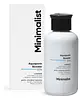 Key Ingredients
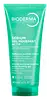
Benefits
Concerns
Ingredients Side-by-side
Water
Skin ConditioningGlycerin
Humectant


Glyceryl Glucoside
Humectant
Diglycerin
Humectant
Methylpropanediol
SolventSodium Lauroyl Methyl Isethionate
CleansingSodium Cocoamphoacetate
CleansingDisodium Cocoamphodiacetate
CleansingPentylene Glycol
Skin Conditioning
Methyl Gluceth-20
Humectant
PEG-150 Pentaerythrityl Tetrastearate
Emulsifying

Coco-Glucoside
Cleansing
Glyceryl Oleate
Emollient

Panthenol
Skin Conditioning

Betaine
Humectant
Sodium PCA
Humectant
PEG-120 Methyl Glucose Dioleate
Emulsifying
Hydrolyzed Wheat Protein
Skin ConditioningSodium Hyaluronate Crosspolymer
Humectant
Avena Sativa Kernel Extract
Abrasive

Allantoin
Skin Conditioning
Phenoxyethanol
Preservative
Ethylhexylglycerin
Skin ConditioningTrisodium Ethylenediamine Disuccinate
ChelatingLactic Acid
Buffering








Water, Glycerin, Glyceryl Glucoside, Diglycerin, Methylpropanediol, Sodium Lauroyl Methyl Isethionate, Sodium Cocoamphoacetate, Disodium Cocoamphodiacetate, Pentylene Glycol, Methyl Gluceth-20, PEG-150 Pentaerythrityl Tetrastearate, Coco-Glucoside, Glyceryl Oleate, Panthenol, Betaine, Sodium PCA, PEG-120 Methyl Glucose Dioleate, Hydrolyzed Wheat Protein, Sodium Hyaluronate Crosspolymer, Avena Sativa Kernel Extract, Allantoin, Phenoxyethanol, Ethylhexylglycerin, Trisodium Ethylenediamine Disuccinate, Lactic Acid
Water
Skin ConditioningCaprylyl/Capryl Glucoside
CleansingPropanediol
Solvent
Glycerin
Humectant
Zinc Gluconate
Skin Conditioning

Salicylic Acid
Masking

Glycolic Acid
Buffering
Coco-Glucoside
Cleansing
Glyceryl Oleate
Emollient
Cellulose Gum
Emulsion StabilisingSodium Hydroxide
BufferingCitric Acid
Buffering
Parfum
Masking
Inulin
Skin Conditioning
Xanthan Gum
EmulsifyingMannitol
Humectant
Sodium Citrate
BufferingXylitol
Humectant
Cellulose
Absorbent
Fructose
Humectant
Glucose
Humectant
Rhamnose
HumectantSodium Metabisulfite
Antioxidant
Fructooligosaccharides
Humectant
Tocopherol
Antioxidant
Hydrogenated Palm Glycerides Citrate
Emollient
Water, Caprylyl/Capryl Glucoside, Propanediol, Glycerin, Zinc Gluconate, Salicylic Acid, Glycolic Acid, Coco-Glucoside, Glyceryl Oleate, Cellulose Gum, Sodium Hydroxide, Citric Acid, Parfum, Inulin, Xanthan Gum, Mannitol, Sodium Citrate, Xylitol, Cellulose, Fructose, Glucose, Rhamnose, Sodium Metabisulfite, Fructooligosaccharides, Tocopherol, Hydrogenated Palm Glycerides Citrate
Reviews
Ingredients Explained
These ingredients are found in both products.
Ingredients higher up in an ingredient list are typically present in a larger amount.
Coco-Glucoside is a surfactant, or a cleansing ingredient. It is made from glucose and coconut oil.
Surfactants help gather dirt, oil, and other pollutants from your skin to be rinsed away.
This ingredient is considered gentle and non-comedogenic. However, it may still be irritating for some.
Learn more about Coco-GlucosideGlycerin (or glycerol) is a compound naturally found in your skin. It's a powerhouse humectant that pulls water into the stratum corneum.
Topically, glycerin does several things at once:
Your skin makes glycerin on its own (mostly from sebaceous oil breakdown) and shuttles it to your outermost layer of skin, or your epidermis, via aquaporin-3.
Aquaporin-3 is a transporter that is essential for normal skin hydration, elasticity, and repair. Interestingly, mice lacking in AQP3 have dry and less elastic skin that can be fully corrected with glycerin.
This ingredient is non-irritating, plays well with almost every ingredient, and works across all skin types. Typical use is anywhere between 3-10% but can go up to 79% in some leave-on products.
Just know very high concentrations (>40%) can feel tacky in low humidity.
Glycerin is the name for this ingredient in American English. British English uses Glycerol/Glycerine.
Learn more about GlycerinGlyceryl Oleate is the monoester of glycerin and oleic acid. It is a skin-conditioning emollient that also helps form emulsions.
What makes glyceryl oleate special is its "re-fatting" effect.
When you wash your hair and skin with a surfactant-based cleanser, the surfactants grab onto everything. This includes your skin's natural lipids, or the fats that live in your skin barrier and sebum. Once you rinse these surfactants away, it leaves your skin feeling tight, dry, and clean (in a not-good way).
Re-fatting is essentially putting some of these lipids back. Glyceryl oleate deposits a thin layer of emollient lipids back on the skin or hair surface reduce some of the barrier damage.
Also, glyceryl oleate isn't a foreign molecule to your skin. It's chemically identical to something your skin already produces and manages naturally. This is why it tends to be well-tolerated with low risk of irritation.
Typical use levels range from 0.5-5%.
Glyceryl Oleate has a function of "perfuming" in the CosIng database. This just means that the ingredient has some scent character that can contribute to the product's overall smell.
The scent of this ingredient is described as "waxy".
As an ester of oleic acid, this ingredient may not be fungal acne safe. This is because oleic acid falls into the carbon-chain length that Malassezia can use as a substrate.
Learn more about Glyceryl OleateWater. It's the most common cosmetic ingredient of all. You'll usually see it at the top of ingredient lists, meaning that it makes up the largest part of the product.
So why is it so popular? Water most often acts as a solvent - this means that it helps dissolve other ingredients into the formulation.
You'll also recognize water as that liquid we all need to stay alive. If you see this, drink a glass of water. Remember to stay hydrated!
Learn more about Water

