Mimpimika Serum With Hyaluronic Acid Versus Arbonne Dermresults Advanced Moisturizer With Hyaluronic Acid
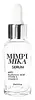
This brightening serum is formulated around Arbutin and Sodium Ascorbyl Phosphate to brighten dull-looking skin and hydrate skin.
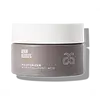
This barrier-repair moisturizer is formulated around Niacinamide and Hyaluronic Acid to strengthen the skin barrier and hydrate skin.


What's inside
What's inside
 Key Ingredients
Benefits
Concerns
Ingredients Side-by-side
Water
Skin ConditioningGlycerin
Humectant


Xanthan Gum
EmulsifyingPropylene Glycol
Humectant

Arbutin
Antioxidant



Vitis Vinifera
MaskingVitis Vinifera Seed Extract
Antimicrobial

Lecithin
Emollient
Linolenic Acid
Cleansing


Tocopheryl Acetate
Antioxidant
Sodium Ascorbyl Phosphate
Antioxidant



Glutathione
PEG-40 Hydrogenated Castor Oil
Emulsifying
Tocopherol
Antioxidant
Aloe Barbadensis Extract
Skin Conditioning
Phenoxyethanol
Preservative
Pearl Powder
Collagen
Moisturising
Hyaluronic Acid
Humectant
Water, Glycerin, Xanthan Gum, Propylene Glycol, Arbutin, Vitis Vinifera, Vitis Vinifera Seed Extract, Lecithin, Linolenic Acid, Tocopheryl Acetate, Sodium Ascorbyl Phosphate, Glutathione, PEG-40 Hydrogenated Castor Oil, Tocopherol, Aloe Barbadensis Extract, Phenoxyethanol, Pearl Powder, Collagen, Hyaluronic Acid
Water
Skin ConditioningButylene Glycol
Humectant
Glycerin
Humectant
Coco-Caprylate/Caprate
Emollient
Dicaprylyl Carbonate
EmollientCaprylic/Capric Triglyceride
Masking
Hydrogenated Coco-Glycerides
Emollient
Butyrospermum Parkii Butter
Skin Conditioning

Zea Mays Starch
Absorbent
Dimethicone
Emollient
Glyceryl Stearate Citrate
Emollient
Niacinamide
Smoothing

Simmondsia Chinensis Seed Oil
Emollient
Tocopheryl Acetate
Antioxidant
Cetyl Alcohol
Emollient
Glyceryl Behenate
Emollient
Stearyl Alcohol
Emollient
Hyaluronic Acid
Humectant
Sodium Hyaluronate
Humectant
Palmitoyl Dipeptide-5 Diaminobutyroyl Hydroxythreonine
Skin Conditioning
Palmitoyl Dipeptide-5 Diaminohydroxybutyrate
Skin Conditioning
Alpha-Glucan Oligosaccharide
Cleansing
Alpinia Galanga Extract
Skin ConditioningHydroxyacetophenone
Antioxidant
Silanetriol
Sodium Polyacrylate
Absorbent
Pentylene Glycol
Skin Conditioning
Ethylhexylglycerin
Skin ConditioningXanthan Gum
EmulsifyingTocopherol
Antioxidant
Sodium Ascorbyl Phosphate
Antioxidant
Methylpropanediol
SolventCitric Acid
Buffering
Water, Butylene Glycol, Glycerin, Coco-Caprylate/Caprate, Dicaprylyl Carbonate, Caprylic/Capric Triglyceride, Hydrogenated Coco-Glycerides, Butyrospermum Parkii Butter, Zea Mays Starch, Dimethicone, Glyceryl Stearate Citrate, Niacinamide, Simmondsia Chinensis Seed Oil, Tocopheryl Acetate, Cetyl Alcohol, Glyceryl Behenate, Stearyl Alcohol, Hyaluronic Acid, Sodium Hyaluronate, Palmitoyl Dipeptide-5 Diaminobutyroyl Hydroxythreonine, Palmitoyl Dipeptide-5 Diaminohydroxybutyrate, Alpha-Glucan Oligosaccharide, Alpinia Galanga Extract, Hydroxyacetophenone, Silanetriol, Sodium Polyacrylate, Pentylene Glycol, Ethylhexylglycerin, Xanthan Gum, Tocopherol, Sodium Ascorbyl Phosphate, Methylpropanediol, Citric Acid
Ingredients Explained
These ingredients are found in both products.
Ingredients higher up in an ingredient list are typically present in a larger amount.
Glycerin (or glycerol) is a compound naturally found in your skin. It's a powerhouse humectant that pulls water into the stratum corneum.
Topically, glycerin does several things at once:
Your skin makes glycerin on its own (mostly from sebaceous oil breakdown) and shuttles it to your outermost layer of skin, or your epidermis, via aquaporin-3.
Aquaporin-3 is a transporter that is essential for normal skin hydration, elasticity, and repair. Interestingly, mice lacking in AQP3 have dry and less elastic skin that can be fully corrected with glycerin.
This ingredient is non-irritating, plays well with almost every ingredient, and works across all skin types. Typical use is anywhere between 3-10% but can go up to 79% in some leave-on products.
Just know very high concentrations (>40%) can feel tacky in low humidity.
Glycerin is the name for this ingredient in American English. British English uses Glycerol/Glycerine.
Learn more about GlycerinHyaluronic acid (HA) is a glycosaminoglycan (basically a long sugar chain) that your skin already makes on its own. In your skin, HA lives in the extracellular matrix and acts as the body's moisture reservoir.
Topically, HA is a humectant that binds water and helps skin look more plump, smooth, and hydrated.
The only catch is that HA isn't a single thing; it actually comes in a wide range of molecular weights (~50 - 2,000+ kDA) and size matters.
Some clinical evidence links low molecular weight versions to improved wrinkle depth, elasticity, anti-inflammatory effects, and barrier repair.
This is why the best HA serums blend the two sizes together so you get the best of both worlds.
The majority of cosmetic HA is produced by bacterial fermentation, typically using Streptococcus or Bacillus strains. Typical use levels in skincare sit around 0.1-2%.
A clinical study using a 0.2% low-molecular weight HA gel showed improvement in facial seborrheic dermatitis with excellent tolerance.
These are some other common types of Hyaluronic Acid:
Learn more about Hyaluronic AcidSodium Ascorbyl Phosphate (SAP) is a water-soluble form of Vitamin C. It is the salt of ascorbic acid.
This ingredient is commonly used in skincare because it's more formulation-stable while still offering the same benefits as pure ascorbic acid. Ascorbic acid is notorious for breaking down when exposed to sunlight and oxygen whereas SAP has been shown to be more stable.
Studies show SAP has anti-acne and antioxidant benefits. One study found 5% of SAP lotion to be an effective ingredient for treating acne vulgaris. This is because research shows that SAP may help control acne by reducing acne-causing bacteria and slowing the oxidation of skin oils caused by UV exposure.
In addition to acne, vitamin C is important for skin structure. Lab studies suggest SAP may support collagen production in skin cells, making it a great ingredient in anti-aging routines.
Vitamin C has many benefits: it helps reduce redness, improve skin texture, fade the appearance of dark spots, and brighten the skin.
Read more about other types of Vitamin C:
Learn more about Sodium Ascorbyl PhosphateTocopherol is a fat-soluble antioxidant known as Vitamin E.
You'll find this ingredient in the vast majority of skincare (for good reason). It works to neutralize free radicals, or unstable molecules generated by UV exposure, pollution, and other environmental stressors, before they can cause oxidative damage to your skin cells.
Topically applied tocopherol has been shown to protect against UV damage by ramping up the skin's own natural defense enzymes.
It also acts as a skin conditioning agent; some studies show that regular topical use can improve the skin's water-binding capacity over 2-4 weeks.
This ingredient is especially loved for being a team player. When combined with Vitamin C, the photoprotective effect of both ingredients roughly doubles and the combo also helps reduce UV-induced DNA damage.
This ingredient has some brightening potential but it's more of a prevention ingredient than spot-fader. Cell studies show it can slow down melanin production but it's worth noting that it's not the most powerful brightener out there.
In formulations, it also serves as a stabilizer that helps protect other oxidation-prone ingredients from degrading.
Concentrations usually range from 0.1-1% in most leave-on products.
Learn more about TocopherolTocopheryl Acetate is a stable, shelf-friendly form of vitamin E.
Formulators love it because plain vitamin E oxidizes quickly once it hits air. This acetate version stays stable and resists going off, helping to extend a product's shelf life.
It's actually inactive on its own and works like a slow-release "storage" form; the enzymes in your skin called esterases gradually convert it into active vitamin E over time.
One in vivo study showed 5% of the acetate in the living layer of the epidermis converted to vitamin E after 5 days of application. This study also found the skin gained protection against UV damage even though the conversion was slow and small.
Once converted, vitamin E acts as a skin's main fat-soluble antioxidant that fights free radicals to protect skin from damage.
Topical vitamin E generally boosts the skin's photoprotection, and it reduced UV-damage in animal models.
This ingredient has some brightening potential but it's more of a prevention ingredient than spot-fader. Cell studies show it can slow down melanin production but it's worth noting that it's not the most powerful brightener out there.
Overall, it has a pretty solid safety profile and has been found to be non-irritating and non-comedogenic. Allergic reactions may happen but stay rare due to how widely the ingredient gets used.
The concentration will vary depending on the formula; industry data shows 0.1% in baby lotions, 3% in lipsticks, and 5% in foot powders. You can also find this ingredient at 100% in a pure vitamin E oil.
Most leave-on skincare keeps it at the lower end, often between 0.5-1%.
Learn more about Tocopheryl AcetateWater. It's the most common cosmetic ingredient of all. You'll usually see it at the top of ingredient lists, meaning that it makes up the largest part of the product.
So why is it so popular? Water most often acts as a solvent - this means that it helps dissolve other ingredients into the formulation.
You'll also recognize water as that liquid we all need to stay alive. If you see this, drink a glass of water. Remember to stay hydrated!
Learn more about WaterXanthan gum is used as a stabilizer and thickener within cosmetic products. It helps give products a sticky, thick feeling - preventing them from being too runny.
On the technical side of things, xanthan gum is a polysaccharide - a combination consisting of multiple sugar molecules bonded together.
Xanthan gum is a pretty common and great ingredient. It is a natural, non-toxic, non-irritating ingredient that is also commonly used in food products.
Learn more about Xanthan Gum

