

What's inside
What's inside
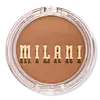 Key Ingredients
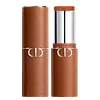
Benefits
Concerns
Ingredients Side-by-side
Dimethicone
Emollient

Phenyl Trimethicone
Skin Conditioning
Silica
Abrasive


Bis-Diglyceryl Polyacyladipate-2
Emollient


Isononyl Isononanoate
EmollientMica
Cosmetic ColorantCalcium Sodium Borosilicate
Microcrystalline Wax
Emulsion StabilisingSynthetic Wax
Abrasive
Caprylic/Capric Triglyceride
Masking

Synthetic Fluorphlogopite
Octyldodecanol
Emollient
Sorbitan Olivate
Emulsifying
Citrullus Lanatus Seed Oil
Emollient

Rosa Damascena Flower Oil
Masking



Tocopheryl Acetate
Antioxidant


Punica Granatum Seed Oil
Emollient
Stearalkonium Hectorite
Gel FormingPropylene Carbonate
SolventPolyglyceryl-6 Polyricinoleate
Emulsifying
Cetyl PEG/PPG-10/1 Dimethicone
Emulsifying
Pentaerythrityl Tetra-Di-T-Butyl Hydroxyhydrocinnamate
Antioxidant
Sorbitan Isostearate
Emulsifying
1,2-Hexanediol
Skin Conditioning
Disteardimonium Hectorite
StabilisingCaprylyl Glycol
Emollient
Ethylhexylglycerin
Skin ConditioningTriethoxycaprylylsilane
Aluminum Hydroxide
EmollientCI 77891
Cosmetic ColorantCI 77492
Cosmetic ColorantCI 77491
Cosmetic ColorantCI 77499
Cosmetic ColorantDimethicone, Phenyl Trimethicone, Silica, Bis-Diglyceryl Polyacyladipate-2, Isononyl Isononanoate, Mica, Calcium Sodium Borosilicate, Microcrystalline Wax, Synthetic Wax, Caprylic/Capric Triglyceride, Synthetic Fluorphlogopite, Octyldodecanol, Sorbitan Olivate, Citrullus Lanatus Seed Oil, Rosa Damascena Flower Oil, Tocopheryl Acetate, Punica Granatum Seed Oil, Stearalkonium Hectorite, Propylene Carbonate, Polyglyceryl-6 Polyricinoleate, Cetyl PEG/PPG-10/1 Dimethicone, Pentaerythrityl Tetra-Di-T-Butyl Hydroxyhydrocinnamate, Sorbitan Isostearate, 1,2-Hexanediol, Disteardimonium Hectorite, Caprylyl Glycol, Ethylhexylglycerin, Triethoxycaprylylsilane, Aluminum Hydroxide, CI 77891, CI 77492, CI 77491, CI 77499
Hydrogenated Polydecene
EmollientDimethicone
Emollient
Triheptanoin
Skin ConditioningHelianthus Annuus Seed Wax
Skin Conditioning
Octyldodecanol
Emollient
Mica
Cosmetic ColorantDimethicone Crosspolymer
Emulsion Stabilising
Cellulose
Absorbent
Copernicia Cerifera Cera
Emollient
Silica
Abrasive
Euphorbia Cerifera Cera
Astringent
Disteardimonium Hectorite
Stabilising1,2-Hexanediol
Skin Conditioning
Sodium Myristoyl Glutamate
CleansingPropylene Carbonate
SolventParfum
Masking

Aluminum Hydroxide
EmollientAscorbyl Tetraisopalmitate
Antioxidant

Pentaerythrityl Tetra-Di-T-Butyl Hydroxyhydrocinnamate
Antioxidant
Isoeugenyl Acetate
Perfuming
Linalyl Acetate
Masking
Tocopherol
Antioxidant

Cedrus Atlantica Bark Oil
Masking
Vanillin
Masking
Coleus Barbatus Root Extract
Skin ConditioningCI 77163
Cosmetic Colorant
CI 77491
Cosmetic ColorantCI 77492
Cosmetic ColorantCI 77499
Cosmetic ColorantCI 77891
Cosmetic ColorantHydrogenated Polydecene, Dimethicone, Triheptanoin, Helianthus Annuus Seed Wax, Octyldodecanol, Mica, Dimethicone Crosspolymer, Cellulose, Copernicia Cerifera Cera, Silica, Euphorbia Cerifera Cera, Disteardimonium Hectorite, 1,2-Hexanediol, Sodium Myristoyl Glutamate, Propylene Carbonate, Parfum, Aluminum Hydroxide, Ascorbyl Tetraisopalmitate, Pentaerythrityl Tetra-Di-T-Butyl Hydroxyhydrocinnamate, Isoeugenyl Acetate, Linalyl Acetate, Tocopherol, Cedrus Atlantica Bark Oil, Vanillin, Coleus Barbatus Root Extract, CI 77163, CI 77491, CI 77492, CI 77499, CI 77891
Ingredients Explained
These ingredients are found in both products.
Ingredients higher up in an ingredient list are typically present in a larger amount.
1,2-Hexanediol is a synthetic liquid and another multi-functional powerhouse.
It is a:
- Humectant, drawing moisture into the skin
- Emollient, helping to soften skin
- Solvent, dispersing and stabilizing formulas
- Preservative booster, enhancing the antimicrobial activity of other preservatives
Aluminum Hydroxide is a form of aluminum. It can be naturally found in nature as the mineral gibbsite. In cosmetics, Aluminum Hydroxide is used as a colorant, pH adjuster, and absorbent.
As a colorant, Aluminum Hydroxide may add opacity, or reduce the transparency. Aluminum hydroxide is contains both basic and acidic properties.
According to manufacturers, this ingredient is an emollient and humectant. This means it helps hydrate the skin.
In medicine, this ingredient is used to help relieve heartburn and help heal ulcers.
There is currently no credible scientific evidence linking aluminum hydroxide in cosmetics to increased cancer risk.
Major health organizations allow the use of aluminum hydroxide in personal care products and have not flagged it as a carcinogenic risk at typical usage levels.
Learn more about Aluminum HydroxideCi 77491 is also hydrated iron III oxide. It's sole purpose is to give a red/pink hue to products.
Iron III oxides are classified as inorganic chemicals for coloring.
Synthetically created Ci 77491 is considered safer than those naturally found. This is because the synthetically created version may contain less impurities. Iron oxides are generally non-toxic and non-allergenic.
Learn more about CI 77491CI 77492 is also hydrated iron III oxide. It's sole purpose is to give a yellow hue to products.
Iron III oxides are classified as inorganic chemicals for coloring.
Synthetically created CI 77492 is considered safer than those naturally found. This is because the synthetically created version may contain less impurities. Iron oxides are generally non-toxic and non-allergenic.
Learn more about CI 77492Ci 77499 is also hydrated iron III oxide. It is created from mixing red and black iron oxides. This helps give shades of darkness to a product.
Iron III oxides are classified as inorganic chemicals for coloring.
Ci 77891 is a white pigment from Titanium dioxide. It is naturally found in minerals such as rutile and ilmenite.
It's main function is to add a white color to cosmetics. It can also be mixed with other colors to create different shades.
Ci 77891 is commonly found in sunscreens due to its ability to block UV rays.
Learn more about CI 77891Dimethicone is a type of synthetic silicone created from natural materials such as quartz. It is also known as polydimethylsiloxane.
What it does:
Dimethicone comes in different viscosities:
Depending on the viscosity, dimethicone has different properties.
Ingredients lists don't always show which type is used, so we recommend reaching out to the brand if you have questions about the viscosity.
This ingredient is unlikely to cause irritation because it does not get absorbed into skin. However, people with silicone allergies should be careful about using this ingredient.
Note: Dimethicone may contribute to pilling. This is because it is not oil or water soluble, so pilling may occur when layered with products. When mixed with heavy oils in a formula, the outcome is also quite greasy.
Learn more about DimethiconeDisteardimonium Hectorite comes from the clay mineral named hectorite. It is used to add thickness to a product.
It can also help stabilize a product by helping to disperse other ingredients.
Hectorite is a rare, white clay mineral.
Learn more about Disteardimonium HectoriteMica is a naturally occurring mineral used to add shimmer and color in cosmetics. It can also help improve the texture of a product or give it an opaque, white/silver color.
Serecite is the name for very fine but ragged grains of mica.
This ingredient is often coated with metal oxides like titanium dioxide. Trace amounts of heavy metals may be found in mica, but these metals are not harmful in our personal products.
Mica has been used since prehistoric times throughout the world. Ancient Egyptian, Indian, Greek, Roman, Aztec, and Chinese civilizations have used mica.
Learn more about MicaOctyldodecanol is a fatty alcohol sourced from plant oils like coconut or palm (or made synthetically).
It is:
You'll likely see this in many BHA products because this is the go-to solvent for salicylic acid.
This ingredient is typically used at levels between 2-20%.
Regarding fungal acne:
In 2019, this ingredient was tested against multiple Malassezia species (the yeast that causes fungal acne) and showed no growth.
Pentaerythrityl Tetra-Di-T-Butyl Hydroxyhydrocinnamate (long name, huh?) is a synthetic antioxidant.
It is used to help stabilize other antioxidants or prevent the color from changing in a product.
As an antioxidant, it helps fight free-radical molecules. Free-radical molecules are capable of damaging our cells and other genetic material. Thus, antioxidants may reduce the signs of aging.
This ingredient is oil-soluble.
Learn more about Pentaerythrityl Tetra-Di-T-Butyl HydroxyhydrocinnamateThis ingredient is a solvent. It helps dissolve active ingredients and alter the texture of products.
Propylene Carbonate is commonly used in makeup and with clay, such as montmorillonite or bentonite.
Studies show this ingredient to be safe for cosmetics. When it is undiluted, it can cause skin irritation. (It is always diluted in skincare and makeup). This ingredient is water-soluble.
Propylene Carbonate is created from propylene glycol and carbonic acid.
Learn more about Propylene CarbonateSilica, also known as silicon dioxide, is a naturally occurring mineral. It is used as a fine, spherical, and porous powder in cosmetics.
Though it has exfoliant properties, the function of silica varies depending on the product.
The unique structure of silica enhances the spreadability and adds smoothness, making it a great texture enhancer.
It is also used as an active carrier, emulsifier, and mattifier due to its ability to absorb excess oil.
In some products, tiny microneedles called spicules are made from silica or hydrolyzed sponge. When you rub them in, they lightly polish away dead skin layers and enhance the penetration of active ingredients.
Learn more about Silica

