This barrier-repair lip moisturizer is formulated around Helianthus Annuus Seed Oil and Butyrospermum Parkii Butter to strengthen the lip barrier and hydrate lips.
This barrier-repair lip moisturizer is formulated around Helianthus Annuus Seed Oil and Butyrospermum Parkii Butter to strengthen the lip barrier and hydrate lips.


What's inside
What's inside
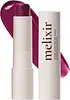 Key Ingredients
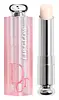
Benefits
Concerns
Ingredients Side-by-side
Helianthus Annuus Seed Oil
Emollient



Octyldodecanol
Emollient
Polyglyceryl-2 Triisostearate
Emulsifying
Hydrogenated Castor Oil Dimer Dilinoleate
Skin Conditioning
Phytosteryl/Isostearyl/Cetyl/Stearyl/Behenyl Dimer Dilinoleate
Skin Conditioning
Helianthus Annuus Seed Wax
Skin Conditioning
Ricinus Communis Seed Oil
Masking
Bis-Behenyl/Isostearyl/Phytosteryl Dimer Dilinoleyl Dimer Dilinoleate
EmollientPrunus Amygdalus Dulcis Oil
Skin Conditioning

Butyrospermum Parkii Butter
Skin Conditioning

Euphorbia Cerifera Wax
Hydrogenated Vegetable Oil
Emollient
Camellia Sinensis Seed Oil
Humectant
Hippophae Rhamnoides Oil
Emollient
Eclipta Prostrata Extract
Skin Conditioning
Citrus Aurantium Dulcis Oil
Masking
Melia Azadirachta Leaf Extract
Skin ConditioningMoringa Oleifera Seed Oil
Emollient
Agave Tequilana Leaf Extract
AstringentTribehenin
Emollient
Acetylated Sucrose Distearate
EmollientTocopheryl Acetate
Antioxidant


Glyceryl Caprylate
EmollientButylene Glycol
Humectant
Water
Skin ConditioningLimonene
Perfuming

Helianthus Annuus Seed Oil, Octyldodecanol, Polyglyceryl-2 Triisostearate, Hydrogenated Castor Oil Dimer Dilinoleate, Phytosteryl/Isostearyl/Cetyl/Stearyl/Behenyl Dimer Dilinoleate, Helianthus Annuus Seed Wax, Ricinus Communis Seed Oil, Bis-Behenyl/Isostearyl/Phytosteryl Dimer Dilinoleyl Dimer Dilinoleate, Prunus Amygdalus Dulcis Oil, Butyrospermum Parkii Butter, Euphorbia Cerifera Wax, Hydrogenated Vegetable Oil, Camellia Sinensis Seed Oil, Hippophae Rhamnoides Oil, Eclipta Prostrata Extract, Citrus Aurantium Dulcis Oil, Melia Azadirachta Leaf Extract, Moringa Oleifera Seed Oil, Agave Tequilana Leaf Extract, Tribehenin, Acetylated Sucrose Distearate, Tocopheryl Acetate, Glyceryl Caprylate, Butylene Glycol, Water, Limonene
Polyglyceryl-2 Triisostearate
Emulsifying
Helianthus Annuus Seed Oil
Emollient
Hydrogenated Castor Oil Dimer Dilinoleate
Skin Conditioning
Phytosteryl/Octyldodecyl Lauroyl Glutamate
Skin ConditioningJojoba Esters
Emollient
Polyglyceryl-2 Isostearate/Dimer Dilinoleate Copolymer
EmollientEuphorbia Cerifera Wax
Behenyl Behenate
EmollientHelianthus Annuus Seed Wax
Skin Conditioning
Butyrospermum Parkii Butter
Skin Conditioning
Oryza Sativa Bran Wax
Skin Conditioning
Caprylic/Capric Triglyceride
Masking
Parfum
Masking
Trimethylolpropane Triisostearate
Emollient
Diisostearyl Malate
EmollientButyrospermum Parkii Butter Unsaponifiables
Skin Conditioning
Prunus Avium Seed Oil
Emollient
Tocopherol
Antioxidant

Ethyl Vanillin
MaskingAscorbyl Palmitate
Antioxidant

Undaria Pinnatifida Extract
Skin ConditioningPropyl Gallate
Antioxidant
CI 15850
Cosmetic ColorantCI 15985
Cosmetic ColorantCI 19140
Cosmetic ColorantCI 42090
Cosmetic ColorantCI 45410
Cosmetic ColorantCI 45380
Cosmetic ColorantCI 73360
Cosmetic ColorantCI 77491
Cosmetic ColorantCI 77492
Cosmetic ColorantCI 77499
Cosmetic ColorantCI 77891
Cosmetic ColorantPolyglyceryl-2 Triisostearate, Helianthus Annuus Seed Oil, Hydrogenated Castor Oil Dimer Dilinoleate, Phytosteryl/Octyldodecyl Lauroyl Glutamate, Jojoba Esters, Polyglyceryl-2 Isostearate/Dimer Dilinoleate Copolymer, Euphorbia Cerifera Wax, Behenyl Behenate, Helianthus Annuus Seed Wax, Butyrospermum Parkii Butter, Oryza Sativa Bran Wax, Caprylic/Capric Triglyceride, Parfum, Trimethylolpropane Triisostearate, Diisostearyl Malate, Butyrospermum Parkii Butter Unsaponifiables, Prunus Avium Seed Oil, Tocopherol, Ethyl Vanillin, Ascorbyl Palmitate, Undaria Pinnatifida Extract, Propyl Gallate, CI 15850, CI 15985, CI 19140, CI 42090, CI 45410, CI 45380, CI 73360, CI 77491, CI 77492, CI 77499, CI 77891
Reviews
Ingredients Explained
These ingredients are found in both products.
Ingredients higher up in an ingredient list are typically present in a larger amount.
This ingredient is also known as shea butter. It is a plant-derived extract from the nuts of the Africa shea tree and one of the most well-studied emollients.
Because it has a high concentration of fatty acids (primarily oleic, stearic, and linoleic) it is able to form a protective barrier on the skin's surface. This helps seal in moisture and prevents transepidermal water loss (TEWL).
In vitro research found an increase in skin hydration by 58% and a decrease in TEWL by 37.8% after 24 hours of applying this ingredient (pretty impressive for a single ingredient!).
Besides hydration, shea butter also contains triterpenes that have anti-inflammatory potential. In particule, lupeol cinnamate has shown the highest anti-inflammatory activity in vivo.
Shea butter also contains vitamins A and E which may contribute to antioxidant activity.
While Shea Butter has an SPF rating of about 3-4, it is not a sunscreen replacement.
This ingredient may not be fungal acne safe because its fatty acids fall within the C11-C24 range that the Malassezia yeast can metabolize.
This ingredient shows up on a lot of "pore-clogging" lists but there's no real evidence behind that. It doesn't even have a comedogenic rating from an actual study; the numbers you'll find online come from blogs citing other blogs.
Ratings for other ingredients mostly come from a 1980s rabbit ear test. This test doesn't translate well to human skin or to real products because the ingredient sits at a much lower percentage.
Some people still find it breaks them out. So if that's you, definitely trust your skin. Just know this one's based on experience and not evidence.
Learn more about Butyrospermum Parkii ButterHelianthus Annuus Seed Oil is a plant oil derived from the seeds of a sunflower.
It is rich in fatty acids, primarily linoleic acid and oleic acid. This gives it emollient and skin conditioning properties.
The reason this ingredient is so effective is because it forms a thin film on the skin that reduces transepidermal water loss (TEWL) while supplying linoleic acid to the stratum corneum to improve barrier strength.
The high linoleic acid content is particularly noteworthy for acne-prone skin.
Research suggests that acne-prone skin tends to be deficient in linoleic acid in sebum. Topical application may help replenish this to support a healthier follicular environment and less comedone-promoting sebum.
One randomized study found sunflower seed oil preserved skin barrier integrity in adult volunteers with and without atopic dermatitis (outperforming olive oil).
This ingredient is well-studied, gentle, and an effective emollient suitable for most skin types.
On fungal acne: This ingredient may not be Fungal acne (Malassezia folliculitis) safe. This is because it contains fatty acids with carbon chain lengths in the C11-C24 range.
Learn more about Helianthus Annuus Seed OilHelianthus Annuus Seed Wax is created from the common sunflower.
Sunflower seed wax is made up of long chain non-glyceride esters, a small amount of fatty alcohols, and fatty acids.
This ingredient is often used to enhance the texture of products. The fatty acid properties also help hydrate the skin.
Learn more about Helianthus Annuus Seed WaxHydrogenated Castor Oil Dimer Dilinoleate is an oil and isn't fungal acne safe.
Polyglyceryl-2 Triisostearate is a plant-derived emulsifier and pigment-dispersing agent with a non-sticky skin feel.
It helps products glide on smoothly and prevents oil and water from separating in a formula, making it suitable for sunscreen and makeup formulations.
The EU inventory of cosmetics has no use restrictions on this ingredient and it is considered well-tolerated.
This ingredient may not be fungal acne safe because it is derived from isostearic acid.
Learn more about Polyglyceryl-2 TriisostearateEuphorbia Cerifera Wax (aka candelilla wax) is a vegan stand-in for beeswax. It is a plant-derived wax that functions as an astringent, emulsion stabilizer, film-former, and skin conditioner.
On skin, it forms a protective barrier that helps lock in moisture while it enhances product stability, prevents separation, and helps color last longer in makeup.
This ingredient is generally safe for use in cosmetics with one nuance: some grades of candelilla wax can naturally contain benzyl alcohol at concentrations high enough to require declaration under EU labeling rules. This isn't a concern for most people but relevant for those with fragrance sensitivities.
Candelilla wax contains fatty acids (mainly C31) and wax esters that can be used by the Malassezia yeast, so this ingredient may not be fungal acne safe.
You might see Euphorbia Cerifera "Cera" instead of "wax". This is because some brands, databases, or labels use it interchangeably; they're the same ingredient.
Learn more about Euphorbia Cerifera Wax

