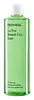
This calming toner is formulated around Melaleuca Alternifolia Leaf Water and Centella Asiatica Extract to calm redness and clear breakouts.
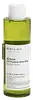
This calming toner is formulated around Melaleuca Alternifolia Leaf Water and Niacinamide to calm redness and refine skin texture.

What's inside
What's inside
 Key Ingredients
Benefits
Concerns
No concerns
Ingredients Side-by-side
Water
Skin ConditioningPropanediol
Solvent

Melaleuca Alternifolia Leaf Water
Antimicrobial


Aloe Barbadensis Leaf Water
Masking1,2-Hexanediol
Skin Conditioning
Glycerin
Humectant
Butylene Glycol
Humectant
Centella Asiatica Extract
Cleansing


Madecassoside
Antioxidant
Betaine
Humectant
Camellia Sinensis Leaf Extract
Antimicrobial

Rosmarinus Officinalis Leaf Extract
AntimicrobialGlycyrrhiza Glabra Root Extract
Bleaching
Melilotus Officinalis Extract
AstringentGluconolactone
Chelating
Asiaticoside
Antioxidant
Madecassic Acid
Skin Conditioning
Asiatic Acid
Skin Conditioning
Anhydroxylitol
Humectant
Ethylhexylglycerin
Skin ConditioningSalix Alba Bark Extract
Astringent
Xylitol
Humectant
Glucose
Humectant
Melia Azadirachta Flower Extract
Skin ConditioningChaenomeles Sinensis Fruit Extract
Antioxidant
Citrus Aurantium Dulcis Flower Extract
Skin ConditioningCutibacterium Granulosum Ferment Extract Filtrate
EmollientXylitylglucoside
Humectant
Melia Azadirachta Leaf Extract
Skin ConditioningPolygonum Cuspidatum Root Extract
Antioxidant
Chamomilla Recutita Flower Extract
Masking
Scutellaria Baicalensis Root Extract
Astringent
Water, Propanediol, Melaleuca Alternifolia Leaf Water, Aloe Barbadensis Leaf Water, 1,2-Hexanediol, Glycerin, Butylene Glycol, Centella Asiatica Extract, Madecassoside, Betaine, Camellia Sinensis Leaf Extract, Rosmarinus Officinalis Leaf Extract, Glycyrrhiza Glabra Root Extract, Melilotus Officinalis Extract, Gluconolactone, Asiaticoside, Madecassic Acid, Asiatic Acid, Anhydroxylitol, Ethylhexylglycerin, Salix Alba Bark Extract, Xylitol, Glucose, Melia Azadirachta Flower Extract, Chaenomeles Sinensis Fruit Extract, Citrus Aurantium Dulcis Flower Extract, Cutibacterium Granulosum Ferment Extract Filtrate, Xylitylglucoside, Melia Azadirachta Leaf Extract, Polygonum Cuspidatum Root Extract, Chamomilla Recutita Flower Extract, Scutellaria Baicalensis Root Extract
Water
Skin ConditioningMelaleuca Alternifolia Leaf Water
Antimicrobial
Glycerin
Humectant
Dipropylene Glycol
HumectantButylene Glycol
Humectant
Niacinamide
Smoothing
1,2-Hexanediol
Skin Conditioning
Propanediol
Solvent
Caprylyl Glycol
Emollient
C12-14 Pareth-12
EmulsifyingEthylhexylglycerin
Skin ConditioningAdenosine
Skin Conditioning
Citric Acid
Buffering

Gluconolactone
Chelating
Allantoin
Skin Conditioning
Xanthan Gum
EmulsifyingXylitylglucoside
Humectant
Centella Asiatica Leaf Extract
Skin Conditioning
Anhydroxylitol
Humectant
Mentha Arvensis Leaf Oil
Masking

Xylitol
Humectant
Glucose
Humectant
Pinus Densiflora Leaf Extract
Antimicrobial
Citrus Junos Fruit Extract
Skin ConditioningArtemisia Annua Extract
Masking
Water, Melaleuca Alternifolia Leaf Water, Glycerin, Dipropylene Glycol, Butylene Glycol, Niacinamide, 1,2-Hexanediol, Propanediol, Caprylyl Glycol, C12-14 Pareth-12, Ethylhexylglycerin, Adenosine, Citric Acid, Gluconolactone, Allantoin, Xanthan Gum, Xylitylglucoside, Centella Asiatica Leaf Extract, Anhydroxylitol, Mentha Arvensis Leaf Oil, Xylitol, Glucose, Pinus Densiflora Leaf Extract, Citrus Junos Fruit Extract, Artemisia Annua Extract
Reviews
Ingredients Explained
These ingredients are found in both products.
Ingredients higher up in an ingredient list are typically present in a larger amount.
1,2-Hexanediol is a synthetic liquid and another multi-functional powerhouse.
It is a:
- Humectant, drawing moisture into the skin
- Emollient, helping to soften skin
- Solvent, dispersing and stabilizing formulas
- Preservative booster, enhancing the antimicrobial activity of other preservatives
This ingredient is created from dehydrating xylitol in acidic conditions. Xylitol is a famous sugar and humectant.
Much like its predecessor, anhydroxylitol is a humectant. Humectants attract and hold water to moisturize the skin.
This ingredient is most commonly found in a popular trio called Aquaxyl. Aquaxyl is made up of anhydroxylitol (24 - 34%), xylitylglucoside (35 - 50%), and xylitol (5 - 15%).
According to a manufacturer, Aquaxyl is known for a 3-D hydration concept and an anti-dehydration shield to reinforce the outer layer of skin.
This ingredient is often derived from plants such as wood and sugarcane.
Learn more about AnhydroxylitolButylene Glycol (or BG) is used within cosmetic products for a few different reasons:
Overall, Butylene Glycol is a safe and well-rounded ingredient that works well with other ingredients.
Though this ingredient works well with most skin types, some people with sensitive skin may experience a reaction such as allergic rashes, closed comedones, or itchiness.
Learn more about Butylene GlycolEthylhexylglycerin is created from glycerin. It is a multitasker ingredient that:
The CIR Expert Panel found minimal skin absorption or sensitization of any kind in a safety assessment. Though this ingredient is considered well-tolerated, a small number of cases of allergic dermatitis have been published since 2002. Just be sure to patch test if you are unsure.
Industry-reported use ranges from 8% in rinse-off products and 2% in leave-on formulations.
Learn more about EthylhexylglycerinGluconolactone is a PHA. PHAs are a great gentle alternative to traditional AHAs.
When applied, Gluconolactone has the same affect on skin as AHAs such as lactic acid. It helps dissolve the dead skin cells in the top layer of your skin. This improves texture and brightens the skin.
PHAs are more gentle than AHAs due to their larger structure. They do not penetrate as deeply as AHAs and take a longer time to dissolve dead cells. Studies show PHAs do not cause as much irritation.
Gluconolactone has some interesting properties:
In a 2004 study, Gluconolactone was found to prevent UV damage in mouse skin cells and has not been found to increase sun sensitivity. However, we still recommend wearing SPF daily.
This ingredient is is an created by reacting gluconic acid with an alcohol.
Learn more about GluconolactoneGlucose is a simple sugar (a monosaccharide). In skincare, it is mostly a humectant and skin conditioning agent.
Mechanistically, it has multiple hydroxyl groups that hydrogen-bond to water. This pulls moisture into the upper layers of skin to keep the surface soft and hydrated.
It's worth knowing sugars are already a natural component of the skin's NMF (natural moisturizing factor) so it's a molecule that your stratum corneum is well-acquainted with.
Just so you know, glucose is hydrophilic (water-loving) and the stratum corneum is a strong barrier to hydrophilic compounds. This just means penetration is slow and most of the action is happening on the surface.
Gram-to-gram, glucose is not as efficient as a humectant as glycerin. This is why you'll likely see glycose paired with stronger humectants for a bigger hydration payoff.
In skincare, glucose is typically derived from corn or other starch sources.
Learn more about GlucoseGlycerin (or glycerol) is a compound naturally found in your skin. It's a powerhouse humectant that pulls water into the stratum corneum.
Topically, glycerin does several things at once:
Your skin makes glycerin on its own (mostly from sebaceous oil breakdown) and shuttles it to your outermost layer of skin, or your epidermis, via aquaporin-3.
Aquaporin-3 is a transporter that is essential for normal skin hydration, elasticity, and repair. Interestingly, mice lacking in AQP3 have dry and less elastic skin that can be fully corrected with glycerin.
This ingredient is non-irritating, plays well with almost every ingredient, and works across all skin types. Typical use is anywhere between 3-10% but can go up to 79% in some leave-on products.
Just know very high concentrations (>40%) can feel tacky in low humidity.
Glycerin is the name for this ingredient in American English. British English uses Glycerol/Glycerine.
Learn more about GlycerinThis ingredient is also known as tea tree leaf water or tea tree hydrosol. It functions as an antimicrobial, anti-sebum, astringent, and tonic ingredient.
You can think of it as a gentler, water-version of tea tree oil.
Its star active is terpinen-4-ol, a broad-spectrum antimicrobial.
The water-soluble compounds of tea tree have been shown to calm inflammation by roughly 50% in vitro (with Terpinen-4-ol driving this).
Terpinen-4-ol has also demonstrated strong inhibitory activity against Propionibacterium acnes and Staphylococcus aureus.
Before slathering on tea tree water, just know concentrations under 5% are considered more suitable and safer than higher concentrations.
The European Medicines Agency recognizes tea tree-derived ingredients as having well-established use for mild acne and small superficial wounds.
It's a well-researched and skin-friendly option for oily or acne-prone skin.
As with most actives, patch testing is a good idea if your skin leans sensitive.
Learn more about Melaleuca Alternifolia Leaf WaterPropanediol is an all-star ingredient. It softens, hydrates, and smooths the skin.
It’s often used to:
Propanediol is not likely to cause sensitivity and considered safe to use. It is derived from corn or petroleum with a clear color and no scent.
Learn more about PropanediolWater. It's the most common cosmetic ingredient of all. You'll usually see it at the top of ingredient lists, meaning that it makes up the largest part of the product.
So why is it so popular? Water most often acts as a solvent - this means that it helps dissolve other ingredients into the formulation.
You'll also recognize water as that liquid we all need to stay alive. If you see this, drink a glass of water. Remember to stay hydrated!
Learn more about WaterXylitol is a humectant and prebiotic. It can help with dry skin.
In studies, xylitol has been shown to improve dry skin. It decreased transepidermal water loss, or when water passes through the skin and evaporates. Xylitol also showed to help improve the biomechanical properties of the skin barrier.
The prebiotic property of xylitol may also help reinforce our skin's natural microbiome. Having a healthy microbiome prevents infection by bad bacteria and helps with hydration.
As a humectant, Xylitol helps draw moisture from both the air and from deeper skin layers. This helps keep skin hydrated.
Xylitol is a sugar alcohol and commonly used as a sugar substitute. It is naturally occurring in plants such as strawberries and pumpkin.
Learn more about XylitolXylitylglucoside is created from xylitol and glucose, two humectants.
Not surprisingly, this ingredient is also a humectant. It attracts and holds water in your skin, helping to maintain hydration.
This ingredient is most commonly found in a popular trio called Aquaxyl. Aquaxyl is made up of anhydroxylitol(24 - 34%), xylitylglucoside (35 - 50%), and xylitol (5 - 15%).
According to a manufacturer, Aquaxyl is known for a 3-D hydration concept and an anti-dehydration shield to reinforce the outer layer of skin.
Learn more about Xylitylglucoside

