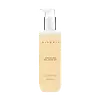
This mild gel cleanser is mild enough to cleanse without leaving skin feeling tight or stripped.


What's inside
What's inside
 Key Ingredients
Benefits
Concerns
Ingredients Side-by-side
Water
Skin ConditioningCocamidopropyl Betaine
Cleansing



Sodium Lauroyl Methyl Isethionate
CleansingDecyl Glucoside
Cleansing
Aloe Barbadensis Extract
Skin Conditioning


Disodium Laureth Sulfosuccinate
CleansingAcrylates Copolymer
Disodium Cocoamphodiacetate
CleansingButylene Glycol
Humectant
Glycerin
Humectant
Phenoxyethanol
Preservative
Tetrasodium Glutamate Diacetate
ChelatingCitric Acid
Buffering

Ethylhexylglycerin
Skin ConditioningLavandula Angustifolia Oil
Masking



Panthenol
Skin Conditioning
Ethoxydiglycol
HumectantPropylene Glycol
Humectant
Citrus Limon Peel Oil
Masking
Potassium Sorbate
Preservative
Melaleuca Alternifolia Leaf Oil
Antioxidant


Barosma Betulina Leaf Extract
Perfuming
Chamomilla Recutita Flower Extract
Masking
Glucose
Humectant
Lactic Acid
Buffering



Sodium Benzoate
Masking
Arnica Montana Flower Extract
Masking
Avena Sativa Kernel Extract
Abrasive
Caramel
Cosmetic ColorantBisabolol
Antioxidant
Citral
Perfuming
Limonene
Perfuming
Linalool
Perfuming
Geraniol
Perfuming
Water, Cocamidopropyl Betaine, Sodium Lauroyl Methyl Isethionate, Decyl Glucoside, Aloe Barbadensis Extract, Disodium Laureth Sulfosuccinate, Acrylates Copolymer, Disodium Cocoamphodiacetate, Butylene Glycol, Glycerin, Phenoxyethanol, Tetrasodium Glutamate Diacetate, Citric Acid, Ethylhexylglycerin, Lavandula Angustifolia Oil, Panthenol, Ethoxydiglycol, Propylene Glycol, Citrus Limon Peel Oil, Potassium Sorbate, Melaleuca Alternifolia Leaf Oil, Barosma Betulina Leaf Extract, Chamomilla Recutita Flower Extract, Glucose, Lactic Acid, Sodium Benzoate, Arnica Montana Flower Extract, Avena Sativa Kernel Extract, Caramel, Bisabolol, Citral, Limonene, Linalool, Geraniol
Water
Skin ConditioningCocamidopropyl Betaine
Cleansing
Sodium C14-16 Olefin Sulfonate
Cleansing
Aloe Barbadensis Leaf Juice
Skin Conditioning
Glycerin
Humectant
Sodium Cocoyl Glutamate
Cleansing
Decyl Glucoside
Cleansing
Sodium PCA
Humectant
Citric Acid
Buffering
Panthenol
Skin Conditioning
Citrus Medica Limonum Peel Extract
EmollientAllantoin
Skin Conditioning
Magnesium Ascorbyl Phosphate
Antioxidant
Cocos Nucifera Water
Masking
Brassica Oleracea Acephala Leaf Extract
HumectantPotassium Sorbate
Preservative
Ethylhexylglycerin
Skin ConditioningSodium Benzoate
Masking
Crambe Maritima Leaf Extract
Skin ConditioningGarcinia Mangostana Peel Extract
Skin ConditioningChamomilla Recutita Flower Extract
Masking
Camellia Sinensis Extract
Antioxidant
Arnica Montana Flower Extract
Masking
Kaolin
Abrasive
Parfum
Masking
Copper Chlorophyll
Cosmetic ColorantWater, Cocamidopropyl Betaine, Sodium C14-16 Olefin Sulfonate, Aloe Barbadensis Leaf Juice, Glycerin, Sodium Cocoyl Glutamate, Decyl Glucoside, Sodium PCA, Citric Acid, Panthenol, Citrus Medica Limonum Peel Extract, Allantoin, Magnesium Ascorbyl Phosphate, Cocos Nucifera Water, Brassica Oleracea Acephala Leaf Extract, Potassium Sorbate, Ethylhexylglycerin, Sodium Benzoate, Crambe Maritima Leaf Extract, Garcinia Mangostana Peel Extract, Chamomilla Recutita Flower Extract, Camellia Sinensis Extract, Arnica Montana Flower Extract, Kaolin, Parfum, Copper Chlorophyll
Reviews
Ingredients Explained
These ingredients are found in both products.
Ingredients higher up in an ingredient list are typically present in a larger amount.
Arnica Montana Flower is more commonly known as Wolf's Bane. While this flower has been used in traditional medicine, its skin benefits are in question.
The FDA considers Wolf's Bane to be an unsafe herb. They advise against taking it orally or applying it to broken skin.
Wolf's Bane has been said to have anti-inflammatory properties. However, studies are conflicting about whether this is true.
According to the Final report on the safety assessment of Arnica montana, this plant has not been found to cause dermal irritation.
This flower contains numerous fatty acids such as palmitic, linoleic, myristic, and linolenic acids. The presence and amount of fatty acids depends on where the flower is harvested.
Like other flowers, this ingredient has a natural fragrance. It can also be used to mask, or cover, the unpleasant scents from other ingredients.
Learn more about Arnica Montana Flower ExtractChamomilla Recutita Flower Extract comes from the Chamomile flower.
Chamomile is rich in antioxidants and has anti-inflammatory properties. Several compounds found in chamomile help with soothing, such as bisbolol.
Antioxidant components in chamomile make it an effective ingredient to help slow the signs of aging. Antioxidants help fight free-radical molecules, or molecules that may damage your skin.
Essential oils from chamomile have been found to improve wound healing due to its antimicrobial properties.
Ancient Greeks and Egyptians used Chamomile to treat skin redness and dryness. Chamomile has also been used to help treat stomach issues.
Learn more about Chamomilla Recutita Flower ExtractCitric Acid is an alpha hydroxy acid (AHA) naturally found in citrus fruits like oranges, lemons, and limes.
Like other AHAs, citric acid can exfoliate skin by breaking down the bonds that hold dead skin cells together. This helps reveal smoother and brighter skin underneath.
However, this exfoliating effect only happens at high concentrations (20%) which can be hard to find in cosmetic products.
Due to this, citric acid is usually included in small amounts as a pH adjuster. This helps keep products slightly more acidic and compatible with skin's natural pH.
In skincare formulas, citric acid can:
While it can provide some skin benefits, research shows lactic acid and glycolic acid are generally more effective and less irritating exfoliants.
Most citric acid used in skincare today is made by fermenting sugars (usually from molasses). This synthetic version is identical to the natural citrus form but easier to stabilize and use in formulations.
Rosacea skin has a lower threshold for acids generally, with 62.5% of rosacea subjects in one study reacting to lactic acid in a sting test. This is why we mark citric acid as a potential rosacea trigger.
However, this ingredient shows up as a pH adjuster or chelator at roughly 0.1-1% in many products. These low levels are unlikely to be an issue for rosacea skin and becomes a potential trigger at exfoliating concentrations (20%). Because everybody's skin is unique, we recommend a patch test if you are unsure.
Learn more about Citric AcidCocamidopropyl Betaine is a fatty acid created by mixing similar compounds in coconut oil and dimethylaminopropylamine, a compound with two amino groups.
This ingredient is a surfactant and cleanser. It helps gather the dirt, pollutants, and other impurities in your skin to be washed away. It also helps thicken a product and make the texture more creamy.
Being created from coconut oil means Cocamidopropyl Betaine is hydrating for the skin.
While Cocamidopropyl Betaine was believed to be an allergen, a study from 2012 disproved this. It found two compounds in unpure Cocamidopropyl Betaine to be the irritants: aminoamide and 3-dimethylaminopropylamine. High-grade and pure Cocamidopropyl Betaine did not induce allergic reactions during this study.
Learn more about Cocamidopropyl BetaineDecyl Glucoside is a plant-derived surfactant and emulsion stabilizer. It is created by reacting glucose with the fatty acids from plants.
Like all surfactants, it works by lowering the surface tension between water and oil. This makes it so that dirt, sebum, and makeup can be lifted off your skin and rinsed away. It also produces a dense and creamy foam.
Because it has a neutral charge, it is compatible with a wide range of ingredients and stays stable across a broad pH range/water hardiness conditions.
Patch testing has shown it to have the lowest irritation potential among common cleansing surfactants (like SLS).
Typical use levels range from 5-20% in rinse-off cleansers.
One thing worth knowing: The American Contact Dermatitis Society named the parent family, alkyl glucosides, "Allergen of the Year" in 2017. The prevalence of allergy is pretty low but be sure to patch test if you've reacted to "gentle" or sulfate-free cleansers before.
This ingredient is fungal acne safe because the fatty alcohol portion of this ingredient is not within the C11-24 chain length that Malassezia can metabolize.
Learn more about Decyl GlucosideEthylhexylglycerin is created from glycerin. It is a multitasker ingredient that:
The CIR Expert Panel found minimal skin absorption or sensitization of any kind in a safety assessment. Though this ingredient is considered well-tolerated, a small number of cases of allergic dermatitis have been published since 2002. Just be sure to patch test if you are unsure.
Industry-reported use ranges from 8% in rinse-off products and 2% in leave-on formulations.
Learn more about EthylhexylglycerinGlycerin (or glycerol) is a compound naturally found in your skin. It's a powerhouse humectant that pulls water into the stratum corneum.
Topically, glycerin does several things at once:
Your skin makes glycerin on its own (mostly from sebaceous oil breakdown) and shuttles it to your outermost layer of skin, or your epidermis, via aquaporin-3.
Aquaporin-3 is a transporter that is essential for normal skin hydration, elasticity, and repair. Interestingly, mice lacking in AQP3 have dry and less elastic skin that can be fully corrected with glycerin.
This ingredient is non-irritating, plays well with almost every ingredient, and works across all skin types. Typical use is anywhere between 3-10% but can go up to 79% in some leave-on products.
Just know very high concentrations (>40%) can feel tacky in low humidity.
Glycerin is the name for this ingredient in American English. British English uses Glycerol/Glycerine.
Learn more about GlycerinPanthenol is a common ingredient that helps hydrate and soothe the skin. It is found naturally in our skin and hair.
There are two forms of panthenol: D and L.
D-panthenol is also known as dexpanthenol. Most cosmetics use dexpanthenol or a mixture of D and L-panthenol.
Panthenol is famous due to its ability to go deeper into the skin's layers. Using this ingredient has numerous pros (and no cons):
Like hyaluronic acid, panthenol is a humectant. Humectants are able to bind and hold large amounts of water to keep skin hydrated.
This ingredient works well for wound healing. It works by increasing tissue in the wound and helps close open wounds.
Once oxidized, panthenol converts to pantothenic acid. Panthothenic acid is found in all living cells.
This ingredient is also referred to as pro-vitamin B5.
Learn more about PanthenolPotassium Sorbate is a preservative used to prevent yeast and mold in products. It is commonly found in both cosmetic and food products.
This ingredient comes from potassium salt derived from sorbic acid. Sorbic acid is a natural antibiotic and effective against fungus.
Both potassium sorbate and sorbic acid can be found in baked goods, cheeses, dried meats, dried fruit, ice cream, pickles, wine, yogurt, and more.
You'll often find this ingredient used with other preservatives.
Learn more about Potassium SorbateSodium Benzoate is a preservative. It's used in both cosmetic and food products to inhibit the growth of mold and bacteria. It is typically produced synthetically.
Both the US FDA and EU Health Committee have approved the use of sodium benzoate. In the US, levels of 0.1% (of the total product) are allowed.
Sodium benzoate works as a preservative by inhibiting the growth of bacteria inside of cells. It prevents the cell from fermenting a type of sugar using an enzyme called phosphofructokinase.
It is the salt of benzoic acid. Foods containing sodium benzoate include soda, salad dressings, condiments, fruit juices, wines, and snack foods.
Studies for using ascorbic acid and sodium benzoate in cosmetics are lacking, especially in skincare routines with multiple steps.
We always recommend speaking with a professional, such as a dermatologist, if you have any concerns.
Learn more about Sodium BenzoateWater. It's the most common cosmetic ingredient of all. You'll usually see it at the top of ingredient lists, meaning that it makes up the largest part of the product.
So why is it so popular? Water most often acts as a solvent - this means that it helps dissolve other ingredients into the formulation.
You'll also recognize water as that liquid we all need to stay alive. If you see this, drink a glass of water. Remember to stay hydrated!
Learn more about Water

