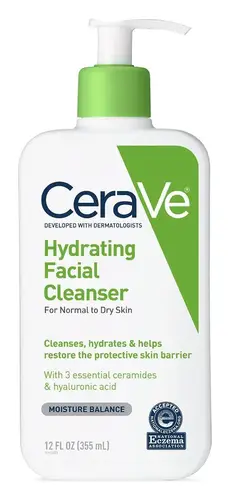
maru.derm Purifying Face Cleansing Gel Versus maru.derm SPF 50+ Leke Karşıtı Güneş Kremi (SPF 50+ Anti-Blemish Sun Cream)
This salicylic acid gel cleanser is formulated around Salicylic Acid to clear breakouts and unclog pores.
This chemical sunscreen covers most of the UV range, lighter on the deep UVA that drives aging.

What's inside
What's inside
 Key Ingredients
Benefits
Concerns
Ingredients Side-by-side
Water
Skin ConditioningGlycerin
Humectant


Cocamidopropyl Betaine
Cleansing



Lauryl Glucoside
CleansingSodium Lauryl Glucose Carboxylate
CleansingCocamide Mipa
Emulsifying
Salicylic Acid
Masking







Panthenol
Skin Conditioning

Coco-Glucoside
Cleansing
Sodium Benzoate
Masking
Potassium Sorbate
Preservative
Chamomilla Recutita Flower Extract
Masking
Aloe Barbadensis Leaf Extract
Emollient
Hydrolyzed Wheat Protein
Skin ConditioningHydrolyzed Soy Protein
Humectant
Hydrolyzed Corn Protein
Skin ConditioningSodium PCA
Humectant
C12-15 Alkyl Benzoate
AntimicrobialTetrasodium EDTA
ChelatingWater, Glycerin, Cocamidopropyl Betaine, Lauryl Glucoside, Sodium Lauryl Glucose Carboxylate, Cocamide Mipa, Salicylic Acid, Panthenol, Coco-Glucoside, Sodium Benzoate, Potassium Sorbate, Chamomilla Recutita Flower Extract, Aloe Barbadensis Leaf Extract, Hydrolyzed Wheat Protein, Hydrolyzed Soy Protein, Hydrolyzed Corn Protein, Sodium PCA, C12-15 Alkyl Benzoate, Tetrasodium EDTA
Water
Skin ConditioningEthylhexyl Salicylate
UV Absorber

Ethylhexyl Methoxycinnamate
UV Absorber
Homosalate
Skin Conditioning
Glycerin
Humectant
C12-15 Alkyl Benzoate
AntimicrobialButyl Methoxydibenzoylmethane
UV Absorber
Caprylic/Capric Triglyceride
Masking
Propylene Glycol
Humectant
Stearic Acid
Cleansing

Glycol
HumectantGlycyrrhiza Glabra Root Extract
Bleaching
Alpha-Arbutin
Antioxidant

Panthenol
Skin Conditioning
Potassium Cetyl Phosphate
EmulsifyingDiacetyl Boldine
Skin Conditioning
Inulin Lauryl Carbamate
Emulsion StabilisingPhenoxyethanol
Preservative
Xanthan Gum
EmulsifyingLactic Acid
Buffering

Ethylhexylglycerin
Skin ConditioningTetrasodium EDTA
ChelatingWater, Ethylhexyl Salicylate, Ethylhexyl Methoxycinnamate, Homosalate, Glycerin, C12-15 Alkyl Benzoate, Butyl Methoxydibenzoylmethane, Caprylic/Capric Triglyceride, Propylene Glycol, Stearic Acid, Glycol, Glycyrrhiza Glabra Root Extract, Alpha-Arbutin, Panthenol, Potassium Cetyl Phosphate, Diacetyl Boldine, Inulin Lauryl Carbamate, Phenoxyethanol, Xanthan Gum, Lactic Acid, Ethylhexylglycerin, Tetrasodium EDTA
Reviews
Ingredients Explained
These ingredients are found in both products.
Ingredients higher up in an ingredient list are typically present in a larger amount.
C12-15 Alkyl Benzoate is a lightweight emollient made by combinig benzoic acid with fatty alcohols that are 12-15 carbons long.
In cosmetics, it plays several roles:
The Cosmetic Review Expert Panel has concluded the alkyl benzoate group to be safe as used in cosmetics; it wasn't found to be a skin irritant and unlikely to be absorbed due to its low water solubility.
This report recorded almost 1000 reported uses with concentrations up to 59% in leave-on products but your cosmetics will typically use 0.5-15% depending on the product.
It's often called a "SPF booster": this is because it keeps UV filters properly dissolved and evenly distributed to support a sunscreen's performance. It doesn't actually raise SPF on its own.
Overall, this ingredient is well tolerated.
This ingredient is fungal acne safe because it is an ester of benzoic acid.
Think of this ingredient as two parts stuck together: an oily part and an acid part. Malassezia only gets a meal when it can snip off a fatty acid to eat. With C12-15 Alkyl Benzoate, the acid part is benzoic acid, which isn't a fatty acid and which the yeast can't use as food.
Benzoic acid is actually used as a preservative to stop yeast from growing.
The oily part is a blend of C12-15 fatty alcohols but fatty alcohols in this size range can support only a little Malassezia growth (mostly for one species of Malassezia as well).
In the ingredient, those alcohols stay locked inside the molecule. The yeast can only reach them by snipping the benzoate bond, and that type of bond is harder for it to cut than a normal fatty bond.
So not much gets released. And whatever does get snipped comes packaged with benzoic acid, which discourages yeast growth.
Learn more about C12-15 Alkyl BenzoateGlycerin (or glycerol) is a compound naturally found in your skin. It's a powerhouse humectant that pulls water into the stratum corneum.
Topically, glycerin does several things at once:
Your skin makes glycerin on its own (mostly from sebaceous oil breakdown) and shuttles it to your outermost layer of skin, or your epidermis, via aquaporin-3.
Aquaporin-3 is a transporter that is essential for normal skin hydration, elasticity, and repair. Interestingly, mice lacking in AQP3 have dry and less elastic skin that can be fully corrected with glycerin.
This ingredient is non-irritating, plays well with almost every ingredient, and works across all skin types. Typical use is anywhere between 3-10% but can go up to 79% in some leave-on products.
Just know very high concentrations (>40%) can feel tacky in low humidity.
Glycerin is the name for this ingredient in American English. British English uses Glycerol/Glycerine.
Learn more about GlycerinPanthenol is a common ingredient that helps hydrate and soothe the skin. It is found naturally in our skin and hair.
There are two forms of panthenol: D and L.
D-panthenol is also known as dexpanthenol. Most cosmetics use dexpanthenol or a mixture of D and L-panthenol.
Panthenol is famous due to its ability to go deeper into the skin's layers. Using this ingredient has numerous pros (and no cons):
Like hyaluronic acid, panthenol is a humectant. Humectants are able to bind and hold large amounts of water to keep skin hydrated.
This ingredient works well for wound healing. It works by increasing tissue in the wound and helps close open wounds.
Once oxidized, panthenol converts to pantothenic acid. Panthothenic acid is found in all living cells.
This ingredient is also referred to as pro-vitamin B5.
Learn more about PanthenolTetrasodium EDTA is the salt formed from neutralizing ethylenediamine tetraacetic acid with sodium hydroxide. It is a chelating agent and used to prevent metal ions from binding to other ingredients. This helps keep the product and ingredients stable.
Tetrasodium EDTA comes as a white solid and is soluble in water.
Water. It's the most common cosmetic ingredient of all. You'll usually see it at the top of ingredient lists, meaning that it makes up the largest part of the product.
So why is it so popular? Water most often acts as a solvent - this means that it helps dissolve other ingredients into the formulation.
You'll also recognize water as that liquid we all need to stay alive. If you see this, drink a glass of water. Remember to stay hydrated!
Learn more about Water