
What's inside
What's inside
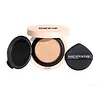 Key Ingredients
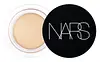
Benefits
Concerns
Ingredients Side-by-side
Water
Skin ConditioningTitanium Dioxide
Cosmetic Colorant

Trimethylsiloxysilicate
Emollient
Dimethicone
Emollient
Ethylhexyl Salicylate
UV Absorber
Synthetic Fluorphlogopite
Isononyl Isononanoate
EmollientNeopentyl Glycol Diheptanoate
EmollientPropanediol
Solvent

Trisiloxane
Skin Conditioning
Lauryl PEG-9 Polydimethylsiloxyethyl Dimethicone
Skin Conditioning
Isododecane
EmollientNiacinamide
Smoothing









1,2-Hexanediol
Skin Conditioning
PEG-10 Dimethicone
Skin Conditioning
Octyldodecanol
Emollient
Magnesium Sulfate
Alumina
Abrasive
Stearic Acid
Cleansing


Triethoxycaprylylsilane
Hydroxyacetophenone
Antioxidant
Silica
Abrasive
Chlorphenesin
Antimicrobial
Aluminum Hydroxide
EmollientDisteardimonium Hectorite
StabilisingPolyglyceryl-4 Isostearate
Emulsifying
Sodium Hyaluronate
Humectant
Adenosine
Skin Conditioning
Trisodium Ethylenediamine Disuccinate
Isopropyl Titanium Triisostearate
Emollient
Tocopherol
Antioxidant
CI 77891
Cosmetic ColorantCI 77492
Cosmetic ColorantCI 77491
Cosmetic ColorantCI 77499
Cosmetic ColorantWater, Titanium Dioxide, Trimethylsiloxysilicate, Dimethicone, Ethylhexyl Salicylate, Synthetic Fluorphlogopite, Isononyl Isononanoate, Neopentyl Glycol Diheptanoate, Propanediol, Trisiloxane, Lauryl PEG-9 Polydimethylsiloxyethyl Dimethicone, Isododecane, Niacinamide, 1,2-Hexanediol, PEG-10 Dimethicone, Octyldodecanol, Magnesium Sulfate, Alumina, Stearic Acid, Triethoxycaprylylsilane, Hydroxyacetophenone, Silica, Chlorphenesin, Aluminum Hydroxide, Disteardimonium Hectorite, Polyglyceryl-4 Isostearate, Sodium Hyaluronate, Adenosine, Trisodium Ethylenediamine Disuccinate, Isopropyl Titanium Triisostearate, Tocopherol, CI 77891, CI 77492, CI 77491, CI 77499
Dimethicone
Emollient
Water
Skin ConditioningGlycerin
Humectant
Nylon-12
Butylene Glycol
Humectant
Paraffin
Skin Conditioning
Dimethicone/Vinyl Dimethicone Crosspolymer
Skin Conditioning
Dicaprylyl Carbonate
EmollientPEG-10 Dimethicone
Skin Conditioning
Sorbitan Sesquiisostearate
Emulsifying
PEG-400
Emulsion StabilisingSilica
Abrasive
Aluminum Hydroxide
EmollientPolysilicone-2
Cera Microcristallina
Emulsion StabilisingCI 77120
Cosmetic ColorantDistearyldimonium Chloride
Palmitic Acid
Emollient
Hydrogen Dimethicone
Palmitoyl Tripeptide-5
Skin Conditioning
Tocopheryl Acetate
Antioxidant
Ascorbic Acid
Antioxidant
Retinyl Palmitate
Skin Conditioning
Alumina
Abrasive
Sodium Acetylated Hyaluronate
Humectant
Tocopherol
Antioxidant
Phenoxyethanol
Preservative
CI 77163
Cosmetic Colorant

Iron Oxides
Mica
Cosmetic ColorantCI 77891
Cosmetic ColorantDimethicone, Water, Glycerin, Nylon-12, Butylene Glycol, Paraffin, Dimethicone/Vinyl Dimethicone Crosspolymer, Dicaprylyl Carbonate, PEG-10 Dimethicone, Sorbitan Sesquiisostearate, PEG-400, Silica, Aluminum Hydroxide, Polysilicone-2, Cera Microcristallina, CI 77120, Distearyldimonium Chloride, Palmitic Acid, Hydrogen Dimethicone, Palmitoyl Tripeptide-5, Tocopheryl Acetate, Ascorbic Acid, Retinyl Palmitate, Alumina, Sodium Acetylated Hyaluronate, Tocopherol, Phenoxyethanol, CI 77163, Iron Oxides, Mica, CI 77891
Reviews
Ingredients Explained
These ingredients are found in both products.
Ingredients higher up in an ingredient list are typically present in a larger amount.
Alumina (aka aluminum oxide) is an inorganic mineral powder refined from bauxite that works as a quiet workhorse in a formula.
It shows up often as an abrasive, absorbent, anticaking, bulking, and viscosity-controlling agent.
One of its most common jobs is acting as a pigment carrier and dispersant.
Alumina platelets are often blended with inorganic sunscreens like Titanium Dioxide (or with colorants) and then coated with a silicone such as Triethoxycaprylylsilane so the pigment spreads evenly and smoothly.
In makeup, it can also double as a light-diffusing powder or oil absorber to keep formulas from looking greasy.
The Cosmetic Ingredient Review Expert Panel has concluded alumina to be safe in present practices of use and concentration.
They note it's a stable, oxidized compound and scientific research has failed to establish links to health issues.
Concentrations vary depending on the product:
Learn more about AluminaAluminum Hydroxide is a form of aluminum. It can be naturally found in nature as the mineral gibbsite. In cosmetics, Aluminum Hydroxide is used as a colorant, pH adjuster, and absorbent.
As a colorant, Aluminum Hydroxide may add opacity, or reduce the transparency. Aluminum hydroxide is contains both basic and acidic properties.
According to manufacturers, this ingredient is an emollient and humectant. This means it helps hydrate the skin.
In medicine, this ingredient is used to help relieve heartburn and help heal ulcers.
There is currently no credible scientific evidence linking aluminum hydroxide in cosmetics to increased cancer risk.
Major health organizations allow the use of aluminum hydroxide in personal care products and have not flagged it as a carcinogenic risk at typical usage levels.
Learn more about Aluminum HydroxideCi 77891 is a white pigment from Titanium dioxide. It is naturally found in minerals such as rutile and ilmenite.
It's main function is to add a white color to cosmetics. It can also be mixed with other colors to create different shades.
Ci 77891 is commonly found in sunscreens due to its ability to block UV rays.
Learn more about CI 77891Dimethicone is a type of synthetic silicone created from natural materials such as quartz. It is also known as polydimethylsiloxane.
What it does:
Dimethicone comes in different viscosities:
Depending on the viscosity, dimethicone has different properties.
Ingredients lists don't always show which type is used, so we recommend reaching out to the brand if you have questions about the viscosity.
This ingredient is unlikely to cause irritation because it does not get absorbed into skin. However, people with silicone allergies should be careful about using this ingredient.
Note: Dimethicone may contribute to pilling. This is because it is not oil or water soluble, so pilling may occur when layered with products. When mixed with heavy oils in a formula, the outcome is also quite greasy.
Learn more about DimethiconePeg-10 Dimethicone is silicone with conditioner and emulsifier properties. It mostly acts as an emollient in skincare and and humectant in haircare.
According to the manufacturer, acidic formulations decrease the stability of this ingredient. It works best in neutral or near neutral formulations.
Silica, also known as silicon dioxide, is a naturally occurring mineral. It is used as a fine, spherical, and porous powder in cosmetics.
Though it has exfoliant properties, the function of silica varies depending on the product.
The unique structure of silica enhances the spreadability and adds smoothness, making it a great texture enhancer.
It is also used as an active carrier, emulsifier, and mattifier due to its ability to absorb excess oil.
In some products, tiny microneedles called spicules are made from silica or hydrolyzed sponge. When you rub them in, they lightly polish away dead skin layers and enhance the penetration of active ingredients.
Learn more about SilicaTocopherol is a fat-soluble antioxidant known as Vitamin E.
You'll find this ingredient in the vast majority of skincare (for good reason). It works to neutralize free radicals, or unstable molecules generated by UV exposure, pollution, and other environmental stressors, before they can cause oxidative damage to your skin cells.
Topically applied tocopherol has been shown to protect against UV damage by ramping up the skin's own natural defense enzymes.
It also acts as a skin conditioning agent; some studies show that regular topical use can improve the skin's water-binding capacity over 2-4 weeks.
This ingredient is especially loved for being a team player. When combined with Vitamin C, the photoprotective effect of both ingredients roughly doubles and the combo also helps reduce UV-induced DNA damage.
This ingredient has some brightening potential but it's more of a prevention ingredient than spot-fader. Cell studies show it can slow down melanin production but it's worth noting that it's not the most powerful brightener out there.
In formulations, it also serves as a stabilizer that helps protect other oxidation-prone ingredients from degrading.
Concentrations usually range from 0.1-1% in most leave-on products.
Learn more about TocopherolWater. It's the most common cosmetic ingredient of all. You'll usually see it at the top of ingredient lists, meaning that it makes up the largest part of the product.
So why is it so popular? Water most often acts as a solvent - this means that it helps dissolve other ingredients into the formulation.
You'll also recognize water as that liquid we all need to stay alive. If you see this, drink a glass of water. Remember to stay hydrated!
Learn more about Water

