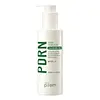
This mild cream makeup remover is made to dissolve makeup, sunscreen, and daily buildup.
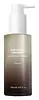
This oil-based makeup remover is made to dissolve makeup, sunscreen, and daily buildup.

What's inside
What's inside
 Key Ingredients
Benefits
Concerns
Ingredients Side-by-side
Water
Skin ConditioningGlycerin
Humectant


Cetyl Ethylhexanoate
EmollientIsopropyl Myristate
Emollient





Ethylhexyl Palmitate
Emollient
Caprylic/Capric Triglyceride
Masking
Arachidyl Alcohol
Emollient
Lauryl Glucoside
CleansingManicouagan Clay
AbsorbentBehenyl Alcohol
Emollient
1,2-Hexanediol
Skin Conditioning
Hydroxyacetophenone
Antioxidant
Hydroxyethyl Acrylate/Sodium Acryloyldimethyl Taurate Copolymer
Emulsion StabilisingArachidyl Glucoside
EmulsifyingSqualane
Emollient
Acrylates/C10-30 Alkyl Acrylate Crosspolymer
Emulsion StabilisingArginine
Masking
Camellia Japonica Seed Oil
Emollient
Propanediol
Solvent
Polysorbate 60
Emulsifying
Xanthan Gum
EmulsifyingCitric Acid
Buffering

Disodium EDTA
Sorbitan Isostearate
Emulsifying
Sodium DNA
Skin Conditioning
Oryza Sativa Bran Oil
Emollient

Gluconolactone
Skin Conditioning




Capryloyl Salicylic Acid
Exfoliating

Sodium Phytate
Lactic Acid
Buffering
Butylene Glycol
Humectant
Milk Protein Extract
Water, Glycerin, Cetyl Ethylhexanoate, Isopropyl Myristate, Ethylhexyl Palmitate, Caprylic/Capric Triglyceride, Arachidyl Alcohol, Lauryl Glucoside, Manicouagan Clay, Behenyl Alcohol, 1,2-Hexanediol, Hydroxyacetophenone, Hydroxyethyl Acrylate/Sodium Acryloyldimethyl Taurate Copolymer, Arachidyl Glucoside, Squalane, Acrylates/C10-30 Alkyl Acrylate Crosspolymer, Arginine, Camellia Japonica Seed Oil, Propanediol, Polysorbate 60, Xanthan Gum, Citric Acid, Disodium EDTA, Sorbitan Isostearate, Sodium DNA, Oryza Sativa Bran Oil, Gluconolactone, Capryloyl Salicylic Acid, Sodium Phytate, Lactic Acid, Butylene Glycol, Milk Protein Extract


Reviews
Ingredients Explained
These ingredients are found in both products.
Ingredients higher up in an ingredient list are typically present in a larger amount.
Caprylic/Capric Triglyceride (aka MCT Oil) is a lightweight emollient, solvent, and texture enhancer. It is considered a skin-softener by helping to prevent moisture loss.
Though it behaves like an oil, it is not technically one due to its chemical composition. One perk of this ingredient is that it is very stable, resistant to oxidation, and unlikely to go rancid.
In practice, that translates to a long shelf life and a consistently elegant skin feel.
While there is an assumption Caprylic Triglyceride can clog pores due to it being derived from coconut oil, there is no research supporting this. Just patch test if you have concerns.
Fractionated coconut oil and MCT Oil are both listed as Caprylic/Capric Triglyceride according to INCI. This is because INCI names are based on the ingredient’s final chemical composition and not its marketing name or source.
This ingredient is treated as the gold standard fungal acne safe oil. Even though it is coconut derived, the problematic lauric acid is stripped out.
This leaves just caprylic (C8) and capric (C10) acid. These chain lengths actually trend antifungal; a 2020 study found caprylic acid was enough to disrupt Malassezia furfur cell membrane, with a caprylic acid derivative damaging membrane structures at concentrations as low as 0.2%.
Learn more about Caprylic/Capric TriglycerideThis oil comes from the outer layer (bran) of rice grains. It is packed with skin-friendly fatty acids to soften and condition the skin while supporting your moisture barrier.
What makes it stand out from other plant oils is its naturally high concentration of gamma-oryzanol, a potent antioxidant. This antioxidant has shown some UV-absorptive properties in research.
Other antioxidants found in this oil include tocopherols, tocotrienols, and ferulic acid.
According to manufacturers, this oil has a lightweight texture that absorbs nicely.
The CIR (Cosmetic Ingredient Review) has concluded this ingredient to be safe as used in cosmetics and it has not shown to be a skin sensitizer in testing (unless you have a known rice allergy).
Due to the fatty acids (primarily Oleic Acid ~40%, Linoleic Acid ~30%, and some Palmitic Acid), this ingredient may not be fungal acne safe.
Learn more about Oryza Sativa Bran Oil

