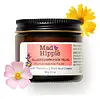
This smoothing exfoliator is formulated around Lactic Acid and Glycolic Acid to refine skin texture and brighten dull-looking skin.
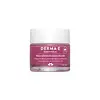
This exfoliator is formulated around Kaolin to fight breakouts and control oil.

What's inside
What's inside
 Key Ingredients
Benefits
Concerns
Ingredients Side-by-side
Water
Skin ConditioningDisodium Cocoamphodiacetate
CleansingBambusa Arundinacea Stem Extract
Skin ConditioningLactic Acid
Buffering










Glycolic Acid
Buffering

Pumice
Abrasive
Mandelic Acid
Antimicrobial
Citrus Aurantium Dulcis Fruit Extract
MaskingMyristic Acid
Cleansing


Cetyl Alcohol
Emollient

Glycerin
Humectant
Glycyrrhiza Glabra Root Extract
Bleaching

Camellia Sinensis Leaf Extract
Antimicrobial
Calendula Officinalis Flower Extract
Masking
Stearic Acid
Cleansing
Squalane
Emollient
Lactococcus Ferment Lysate
Skin Conditioning
Phenethyl Alcohol
MaskingCaprylyl Glycol
Emollient
Ethylhexylglycerin
Skin ConditioningHyaluronic Acid
Humectant
Citrus Aurantium Dulcis Peel Oil
Masking

Citrus Aurantifolia Peel Oil Distilled
Perfuming
Water, Disodium Cocoamphodiacetate, Bambusa Arundinacea Stem Extract, Lactic Acid, Glycolic Acid, Pumice, Mandelic Acid, Citrus Aurantium Dulcis Fruit Extract, Myristic Acid, Cetyl Alcohol, Glycerin, Glycyrrhiza Glabra Root Extract, Camellia Sinensis Leaf Extract, Calendula Officinalis Flower Extract, Stearic Acid, Squalane, Lactococcus Ferment Lysate, Phenethyl Alcohol, Caprylyl Glycol, Ethylhexylglycerin, Hyaluronic Acid, Citrus Aurantium Dulcis Peel Oil, Citrus Aurantifolia Peel Oil Distilled
Water
Skin ConditioningAlumina
Abrasive
Stearyl Alcohol
Emollient
Stearic Acid
Cleansing
Glyceryl Stearate Citrate
Emollient
Citrus Aurantifolia Oil
Cleansing
Citrus Limon Peel Oil
Masking
Citrus Aurantium Dulcis Oil
Masking
Carrageenan
Kaolin
Abrasive
Tocopheryl Acetate
Antioxidant
Vitis Vinifera Seed Oil
Emollient
Prunus Amygdalus Dulcis Oil
Skin Conditioning
Simmondsia Chinensis Seed Oil
Emollient
Pumice
Abrasive
Maris Sal
Skin ConditioningGlycerin
Humectant
Glyceryl Stearate Se
Emulsifying
Potassium Cetyl Phosphate
EmulsifyingXanthan Gum
EmulsifyingPotassium Sorbate
Preservative
Phenoxyethanol
Preservative
Ethylhexylglycerin
Skin ConditioningWater, Alumina, Stearyl Alcohol, Stearic Acid, Glyceryl Stearate Citrate, Citrus Aurantifolia Oil, Citrus Limon Peel Oil, Citrus Aurantium Dulcis Oil, Carrageenan, Kaolin, Tocopheryl Acetate, Vitis Vinifera Seed Oil, Prunus Amygdalus Dulcis Oil, Simmondsia Chinensis Seed Oil, Pumice, Maris Sal, Glycerin, Glyceryl Stearate Se, Potassium Cetyl Phosphate, Xanthan Gum, Potassium Sorbate, Phenoxyethanol, Ethylhexylglycerin
Reviews
Ingredients Explained
These ingredients are found in both products.
Ingredients higher up in an ingredient list are typically present in a larger amount.
Ethylhexylglycerin is created from glycerin. It is a multitasker ingredient that:
The CIR Expert Panel found minimal skin absorption or sensitization of any kind in a safety assessment. Though this ingredient is considered well-tolerated, a small number of cases of allergic dermatitis have been published since 2002. Just be sure to patch test if you are unsure.
Industry-reported use ranges from 8% in rinse-off products and 2% in leave-on formulations.
Learn more about EthylhexylglycerinGlycerin (or glycerol) is a compound naturally found in your skin. It's a powerhouse humectant that pulls water into the stratum corneum.
Topically, glycerin does several things at once:
Your skin makes glycerin on its own (mostly from sebaceous oil breakdown) and shuttles it to your outermost layer of skin, or your epidermis, via aquaporin-3.
Aquaporin-3 is a transporter that is essential for normal skin hydration, elasticity, and repair. Interestingly, mice lacking in AQP3 have dry and less elastic skin that can be fully corrected with glycerin.
This ingredient is non-irritating, plays well with almost every ingredient, and works across all skin types. Typical use is anywhere between 3-10% but can go up to 79% in some leave-on products.
Just know very high concentrations (>40%) can feel tacky in low humidity.
Glycerin is the name for this ingredient in American English. British English uses Glycerol/Glycerine.
Learn more about GlycerinPumice is an exfoliant.
Stearic Acid is a fatty acid that is already found in your skin. It's one of the free fatty acids that works alongside ceramides and cholesterols to maintain your barrier.
In cosmetics, it is a multitasker:
Safety-wise, the CIR Expert Panel has concluded it to be safe in cosmetics when formulated to be non-irritating and non-sensitizing.
Free stearic acid is a C18 fatty acid that the Malassezia yeast can substrate, so this ingredient may not be fungal acne safe.
Learn more about Stearic AcidWater. It's the most common cosmetic ingredient of all. You'll usually see it at the top of ingredient lists, meaning that it makes up the largest part of the product.
So why is it so popular? Water most often acts as a solvent - this means that it helps dissolve other ingredients into the formulation.
You'll also recognize water as that liquid we all need to stay alive. If you see this, drink a glass of water. Remember to stay hydrated!
Learn more about Water

