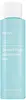
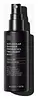
ma:nyo Thermal Water Moisturizing Skin Versus Allies of Skin Molecular Saviour Probiotics Treatment Mist
This hydrating toner is formulated around Urea and Panthenol to hydrate skin and strengthen the skin barrier.
This calming toner is formulated around Niacinamide and Lactobacillus Ferment to calm redness and strengthen the skin barrier.


What's inside
What's inside
 Key Ingredients
Benefits
Concerns
Ingredients Side-by-side
Water
Skin ConditioningOnsen-Sui
Urea
Buffering




Dipropylene Glycol
HumectantButylene Glycol
Humectant
Pentylene Glycol
Skin Conditioning
Glycerin
Humectant
1,2-Hexanediol
Skin Conditioning
Glyceryl Glucoside
Humectant
Propanediol
Solvent
Beta-Glucan
Skin Conditioning

Ethylhexylglycerin
Skin ConditioningPanthenol
Skin Conditioning
Sodium Carbomer
Emulsion StabilisingXanthan Gum
EmulsifyingCitric Acid
Buffering

Olea Europaea Fruit Oil
Masking




Caprylic/Capric Triglyceride
Masking
Rosa Damascena Flower Oil
Masking


Hydrogenated Lecithin
Emulsifying
Cananga Odorata Flower Oil
Masking
Dimethyl Sulfone
SolventMagnesium Sulfate
Sodium Hyaluronate
Humectant

Silk Amino Acids
HumectantCalcium Chloride
AstringentPotassium Chloride
Protease
Exfoliating
Water, Onsen-Sui, Urea, Dipropylene Glycol, Butylene Glycol, Pentylene Glycol, Glycerin, 1,2-Hexanediol, Glyceryl Glucoside, Propanediol, Beta-Glucan, Ethylhexylglycerin, Panthenol, Sodium Carbomer, Xanthan Gum, Citric Acid, Olea Europaea Fruit Oil, Caprylic/Capric Triglyceride, Rosa Damascena Flower Oil, Hydrogenated Lecithin, Cananga Odorata Flower Oil, Dimethyl Sulfone, Magnesium Sulfate, Sodium Hyaluronate, Silk Amino Acids, Calcium Chloride, Potassium Chloride, Protease
Water
Skin ConditioningPolysorbate 20
Emulsifying
Niacinamide
Smoothing




Propanediol
Solvent
Lactobacillus Ferment
Skin Conditioning
Gluconolactone
Chelating
Mangifera Indica Fruit Extract
Skin ConditioningLactobacillus Ferment Lysate Filtrate
Skin ConditioningYogurt
Skin ProtectingZinc PCA
Humectant
Bisabolol
Antioxidant
Euterpe Oleracea Fruit Extract
Cucumis Sativus Fruit Extract
Emollient
Aloe Barbadensis Leaf Juice Powder
Skin Conditioning
Cocodimonium Hydroxypropyl Silk Amino Acids
Skin ConditioningSilver
Cosmetic ColorantCitrus Aurantium Dulcis Callus Culture Extract
Skin ConditioningErgothioneine
Antioxidant
Glutathione
Glycerin
Humectant
Populus Tremuloides Bark Extract
AntiseborrhoeicLeuconostoc/Radish Root Ferment Filtrate
Antimicrobial
Palmitoyl Tripeptide-1
Skin Conditioning
Palmitoyl Tetrapeptide-7
Skin Conditioning
Chrysin
Skin ConditioningN-Hydroxysuccinimide
Skin ConditioningGlutamylamidoethyl Imidazole
Xanthan Gum
EmulsifyingCalcium Gluconate
HumectantEthylhexylglycerin
Skin ConditioningSorbic Acid
Preservative
Sodium Benzoate
Masking
Sodium Gluconate
ChelatingSteareth-20
CleansingSodium Hydroxide
BufferingPhenoxyethanol
Preservative
Water, Polysorbate 20, Niacinamide, Propanediol, Lactobacillus Ferment, Gluconolactone, Mangifera Indica Fruit Extract, Lactobacillus Ferment Lysate Filtrate, Yogurt, Zinc PCA, Bisabolol, Euterpe Oleracea Fruit Extract, Cucumis Sativus Fruit Extract, Aloe Barbadensis Leaf Juice Powder, Cocodimonium Hydroxypropyl Silk Amino Acids, Silver, Citrus Aurantium Dulcis Callus Culture Extract, Ergothioneine, Glutathione, Glycerin, Populus Tremuloides Bark Extract, Leuconostoc/Radish Root Ferment Filtrate, Palmitoyl Tripeptide-1, Palmitoyl Tetrapeptide-7, Chrysin, N-Hydroxysuccinimide, Glutamylamidoethyl Imidazole, Xanthan Gum, Calcium Gluconate, Ethylhexylglycerin, Sorbic Acid, Sodium Benzoate, Sodium Gluconate, Steareth-20, Sodium Hydroxide, Phenoxyethanol
Reviews
Ingredients Explained
These ingredients are found in both products.
Ingredients higher up in an ingredient list are typically present in a larger amount.
Ethylhexylglycerin is created from glycerin. It is a multitasker ingredient that:
The CIR Expert Panel found minimal skin absorption or sensitization of any kind in a safety assessment. Though this ingredient is considered well-tolerated, a small number of cases of allergic dermatitis have been published since 2002. Just be sure to patch test if you are unsure.
Industry-reported use ranges from 8% in rinse-off products and 2% in leave-on formulations.
Learn more about EthylhexylglycerinGlycerin (or glycerol) is a compound naturally found in your skin. It's a powerhouse humectant that pulls water into the stratum corneum.
Topically, glycerin does several things at once:
Your skin makes glycerin on its own (mostly from sebaceous oil breakdown) and shuttles it to your outermost layer of skin, or your epidermis, via aquaporin-3.
Aquaporin-3 is a transporter that is essential for normal skin hydration, elasticity, and repair. Interestingly, mice lacking in AQP3 have dry and less elastic skin that can be fully corrected with glycerin.
This ingredient is non-irritating, plays well with almost every ingredient, and works across all skin types. Typical use is anywhere between 3-10% but can go up to 79% in some leave-on products.
Just know very high concentrations (>40%) can feel tacky in low humidity.
Glycerin is the name for this ingredient in American English. British English uses Glycerol/Glycerine.
Learn more about GlycerinPropanediol is an all-star ingredient. It softens, hydrates, and smooths the skin.
It’s often used to:
Propanediol is not likely to cause sensitivity and considered safe to use. It is derived from corn or petroleum with a clear color and no scent.
Learn more about PropanediolWater. It's the most common cosmetic ingredient of all. You'll usually see it at the top of ingredient lists, meaning that it makes up the largest part of the product.
So why is it so popular? Water most often acts as a solvent - this means that it helps dissolve other ingredients into the formulation.
You'll also recognize water as that liquid we all need to stay alive. If you see this, drink a glass of water. Remember to stay hydrated!
Learn more about WaterXanthan gum is used as a stabilizer and thickener within cosmetic products. It helps give products a sticky, thick feeling - preventing them from being too runny.
On the technical side of things, xanthan gum is a polysaccharide - a combination consisting of multiple sugar molecules bonded together.
Xanthan gum is a pretty common and great ingredient. It is a natural, non-toxic, non-irritating ingredient that is also commonly used in food products.
Learn more about Xanthan Gum

