
What's inside
What's inside
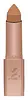 Key Ingredients
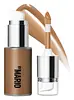
Benefits
Concerns
Ingredients Side-by-side
Ethylhexyl Palmitate
Emollient




Isononyl Isononanoate
EmollientDiisostearyl Malate
EmollientSynthetic Wax
Abrasive
Ceresin
Emulsion StabilisingPolyisobutene
Silica
Abrasive

Phenoxyethanol
Preservative
Tocopheryl Acetate
Antioxidant


Caprylic/Capric Triglyceride
Masking


Camellia Sinensis Leaf Extract
Antimicrobial


Carthamus Tinctorius Seed Oil
Masking
Citrus Medica Vulgaris Fruit Extract
Antioxidant
Trihydroxystearin
Skin Conditioning
Sodium Hyaluronate
Humectant
Glucomannan
Skin ConditioningRosa Rubiginosa Seed Oil
Emollient
Iron Oxides
CI 77492
Cosmetic ColorantCI 77891
Cosmetic ColorantCI 77499
Cosmetic ColorantEthylhexyl Palmitate, Isononyl Isononanoate, Diisostearyl Malate, Synthetic Wax, Ceresin, Polyisobutene, Silica, Phenoxyethanol, Tocopheryl Acetate, Caprylic/Capric Triglyceride, Camellia Sinensis Leaf Extract, Carthamus Tinctorius Seed Oil, Citrus Medica Vulgaris Fruit Extract, Trihydroxystearin, Sodium Hyaluronate, Glucomannan, Rosa Rubiginosa Seed Oil, Iron Oxides, CI 77492, CI 77891, CI 77499
Water
Skin ConditioningHydrogenated Polyisobutene
EmollientGlycerin
Humectant
Caprylic/Capric Triglyceride
Masking
Glyceryl Oleate Citrate
Emulsifying
Hexyl Laurate
Emollient
Silica
Abrasive
Hyaluronic Acid
Humectant
Caffeine
Skin Conditioning
Palmitoyl Tripeptide-1
Skin Conditioning

Palmitoyl Tetrapeptide-7
Skin Conditioning
Tocopherol
Antioxidant
Hydroxyethyl Acrylate/Sodium Acryloyldimethyl Taurate Copolymer
Emulsion StabilisingPolyacrylate Crosspolymer-6
Emulsion StabilisingC18-36 Acid Glycol Ester
EmollientC18-36 Acid Triglyceride
EmollientC12-15 Alkyl Benzoate
AntimicrobialBoron Nitride
Absorbent
Sorbitan Isostearate
Emulsifying
Sorbitan Laurate
Emulsifying
Sodium Benzoate
Masking
Triethoxycaprylylsilane

Tin Oxide
Abrasive
Mica
Cosmetic ColorantEthylhexylglycerin
Skin ConditioningPhenoxyethanol
Preservative
CI 77891
Cosmetic ColorantIron Oxides
Water, Hydrogenated Polyisobutene, Glycerin, Caprylic/Capric Triglyceride, Glyceryl Oleate Citrate, Hexyl Laurate, Silica, Hyaluronic Acid, Caffeine, Palmitoyl Tripeptide-1, Palmitoyl Tetrapeptide-7, Tocopherol, Hydroxyethyl Acrylate/Sodium Acryloyldimethyl Taurate Copolymer, Polyacrylate Crosspolymer-6, C18-36 Acid Glycol Ester, C18-36 Acid Triglyceride, C12-15 Alkyl Benzoate, Boron Nitride, Sorbitan Isostearate, Sorbitan Laurate, Sodium Benzoate, Triethoxycaprylylsilane, Tin Oxide, Mica, Ethylhexylglycerin, Phenoxyethanol, CI 77891, Iron Oxides
Reviews
Ingredients Explained
These ingredients are found in both products.
Ingredients higher up in an ingredient list are typically present in a larger amount.
Caprylic/Capric Triglyceride (aka MCT Oil) is a lightweight emollient, solvent, and texture enhancer. It is considered a skin-softener by helping to prevent moisture loss.
Though it behaves like an oil, it is not technically one due to its chemical composition. One perk of this ingredient is that it is very stable, resistant to oxidation, and unlikely to go rancid.
In practice, that translates to a long shelf life and a consistently elegant skin feel.
While there is an assumption Caprylic Triglyceride can clog pores due to it being derived from coconut oil, there is no research supporting this. Just patch test if you have concerns.
Fractionated coconut oil and MCT Oil are both listed as Caprylic/Capric Triglyceride according to INCI. This is because INCI names are based on the ingredient’s final chemical composition and not its marketing name or source.
This ingredient is treated as the gold standard fungal acne safe oil. Even though it is coconut derived, the problematic lauric acid is stripped out.
This leaves just caprylic (C8) and capric (C10) acid. These chain lengths actually trend antifungal; a 2020 study found caprylic acid was enough to disrupt Malassezia furfur cell membrane, with a caprylic acid derivative damaging membrane structures at concentrations as low as 0.2%.
Learn more about Caprylic/Capric TriglycerideCi 77891 is a white pigment from Titanium dioxide. It is naturally found in minerals such as rutile and ilmenite.
It's main function is to add a white color to cosmetics. It can also be mixed with other colors to create different shades.
Ci 77891 is commonly found in sunscreens due to its ability to block UV rays.
Learn more about CI 77891Phenoxyethanol is one of the most widely used preservatives in skincare (and for good reason!).
It has a large spectrum of antimicrobial activity and especially effective bacteria, yeast, and mold while only having a weak effect on your skin's natural microbiome.
On a cellular level, it disrupts the cell membranes of microbes by poking holes that make the cell leak. This shuts down the chemical reactions the microbe needs to make energy so it can no longer survive.
Another perk of this ingredient is that it stays functional across a wide pH range (3-10).
You'll often see it paired with boosters like Ethylhexylglycerin; one study showed that a 1:9 ratio of Ethylhexylglycerin to Phenoxyethanol damages bacterial membranes as effectively as doubling the Phenoxyethanol concentration on its own.
Typical use concentrations range from 0.3-1% depending on the formula, and this ingredient is capped at 1% int the EU.
Safety-wise, the fear mongering does not hold up to the evidence. The EU's Scientific Committee on Consumer Safety and FDA consider it safe as a preservative at up to 1%, including for children of all ages.
Adverse systemic effects only showed up in animal studies at exposures roughly 200x higher than what people get from cosmetics. And despite its very widespread use, this ingredient is a rare sensitizer and allergic reactions are uncommon.
Learn more about PhenoxyethanolSilica, also known as silicon dioxide, is a naturally occurring mineral. It is used as a fine, spherical, and porous powder in cosmetics.
Though it has exfoliant properties, the function of silica varies depending on the product.
The unique structure of silica enhances the spreadability and adds smoothness, making it a great texture enhancer.
It is also used as an active carrier, emulsifier, and mattifier due to its ability to absorb excess oil.
In some products, tiny microneedles called spicules are made from silica or hydrolyzed sponge. When you rub them in, they lightly polish away dead skin layers and enhance the penetration of active ingredients.
Learn more about SilicaThis ingredient is a combination of red, black, and yellow iron oxide pigments. This combination of colors is usually found in foundation, because it results in a "skin" color.
The EU typically uses CI numbers for colorants when applicable, such as CI 77489. In the US, iron oxides are regulated as color additives and "iron oxides" is the most commonly used name in US cosmetic practice.
A 2021 paper looked at skincare formulations containing iron oxides and found that they reduced transmission of blue light when measured optically. In simple terms, the pigment particles helped block or scatter part of the visible light spectrum in lab testing and the authors suggest this could translate into better protection against blue-light-related skin effects.
There is also clinical and experimental research showing that tinted products containing iron oxides can reduce visible light-induced pigmentation:
Please note, whether a product reduces visible or blue light depends on things like:
In the EU's CosIng database, iron oxides are only listed as a colorant. CosIng groups ingredients by their main cosmetic role, such as colorant, preservative, or UV filter.
Though studies say iron oxides can "attenuate blue light", they're describing an optical property and not an officially recognized cosmetic function.
So CosIng isn’t contradicting the research. It’s just classifying iron oxides by what they officially are: pigments that add color.
Learn more about Iron Oxides

