
What's inside
What's inside
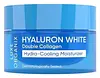 Key Ingredients
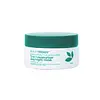
Benefits
Concerns
No concerns
Ingredients Side-by-side
Water
Skin ConditioningCyclopentasiloxane
Emollient
Glycerin
Humectant


Butylene Glycol
Humectant
Niacinamide
Smoothing









Sodium Chloride
MaskingUrea
Buffering
1,2-Hexanediol
Skin Conditioning
Cetyl PEG/PPG-10/1 Dimethicone
Emulsifying
Sodium Hyaluronate
Humectant
Allantoin
Skin Conditioning
Polyepsilon-Lysine
Skin ConditioningDisodium EDTA
Panthenol
Skin Conditioning
Hydrolyzed Collagen
Emollient
Collagen Water
Humectant
Bacillus/Soybean Ferment Extract
Skin ConditioningLactobacillus/Rye Flour Ferment
Skin ConditioningLactobacillus/Soymilk Ferment Filtrate
Skin ConditioningOctyldodecanol
Emollient
Propanediol
Solvent
Hydrogenated Lecithin
Emulsifying
Ceramide NP
Skin Conditioning
Pentylene Glycol
Skin Conditioning
Caprylyl Glycol
Emollient
Sodium Hyaluronate Crosspolymer
Humectant
Hydrolyzed Hyaluronic Acid
Humectant
Hyaluronic Acid
Humectant
Ethylhexylglycerin
Skin ConditioningFolic Acid
Skin ConditioningPantothenic Acid
Skin ConditioningPyridoxine
Skin ConditioningHydrolyzed Sodium Hyaluronate
Skin Conditioning
Thiamine Hcl
MaskingCyanocobalamin
Skin ConditioningRiboflavin
Cosmetic ColorantWater, Cyclopentasiloxane, Glycerin, Butylene Glycol, Niacinamide, Sodium Chloride, Urea, 1,2-Hexanediol, Cetyl PEG/PPG-10/1 Dimethicone, Sodium Hyaluronate, Allantoin, Polyepsilon-Lysine, Disodium EDTA, Panthenol, Hydrolyzed Collagen, Collagen Water, Bacillus/Soybean Ferment Extract, Lactobacillus/Rye Flour Ferment, Lactobacillus/Soymilk Ferment Filtrate, Octyldodecanol, Propanediol, Hydrogenated Lecithin, Ceramide NP, Pentylene Glycol, Caprylyl Glycol, Sodium Hyaluronate Crosspolymer, Hydrolyzed Hyaluronic Acid, Hyaluronic Acid, Ethylhexylglycerin, Folic Acid, Pantothenic Acid, Pyridoxine, Hydrolyzed Sodium Hyaluronate, Thiamine Hcl, Cyanocobalamin, Riboflavin
Water
Skin ConditioningSodium Acrylates/Beheneth-25 Methacrylate Crosspolymer
Skin ConditioningHydrogenated Polydecene
EmollientLauryl Glucoside
CleansingButylene Glycol
Humectant
Isostearyl Hydroxystearate
EmollientIsohexadecane
EmollientCyclopentasiloxane
Emollient
Dimethicone
Emollient
Titanium Dioxide
Cosmetic Colorant

Talc
Abrasive
Lauryl PEG-9 Polydimethylsiloxyethyl Dimethicone
Skin Conditioning
Triethoxycaprylylsilane
PPG-20 Methyl Glucose Ether
Skin ConditioningNeopentyl Glycol Diethylhexanoate
Emollient
Nelumbo Nucifera Leaf Extract
Skin ConditioningCamellia Sinensis Leaf Extract
Antimicrobial
Psidium Guajava Leaf Extract
AstringentAngelica Gigas Extract
Skin ConditioningPhenoxyethanol
Preservative
Diisostearyl Malate
EmollientDisodium EDTA
Parfum
Masking



Water, Sodium Acrylates/Beheneth-25 Methacrylate Crosspolymer, Hydrogenated Polydecene, Lauryl Glucoside, Butylene Glycol, Isostearyl Hydroxystearate, Isohexadecane, Cyclopentasiloxane, Dimethicone, Titanium Dioxide, Talc, Lauryl PEG-9 Polydimethylsiloxyethyl Dimethicone, Triethoxycaprylylsilane, PPG-20 Methyl Glucose Ether, Neopentyl Glycol Diethylhexanoate, Nelumbo Nucifera Leaf Extract, Camellia Sinensis Leaf Extract, Psidium Guajava Leaf Extract, Angelica Gigas Extract, Phenoxyethanol, Diisostearyl Malate, Disodium EDTA, Parfum
Reviews
Ingredients Explained
These ingredients are found in both products.
Ingredients higher up in an ingredient list are typically present in a larger amount.
Butylene Glycol (or BG) is used within cosmetic products for a few different reasons:
Overall, Butylene Glycol is a safe and well-rounded ingredient that works well with other ingredients.
Though this ingredient works well with most skin types, some people with sensitive skin may experience a reaction such as allergic rashes, closed comedones, or itchiness.
Learn more about Butylene GlycolCyclopentasiloxane, or D5, is a silicone used to improve texture of products and trap moisture.
D5 is considered lightweight and volatile. Volatile means it evaporates quickly after application. Once evaporated, D5 leaves a thin barrier that helps keep skin hydrated.
It is also an emollient. Emollients help soften the skin and prevent water loss. Silicones create a silky texture in products. D5 helps other ingredients become more spreadable.
Studies show D5 is safe to use in skincare products. We recommend speaking with a skincare professional if you have concerns.
Learn more about CyclopentasiloxaneDisodium EDTA is a chelating agent. It grabs onto and deactivates metal ions that sneak into your products from water, packaging, or air.
This ingredient mainly works behind the scenes and helps with:
On top of that, this ingredient can counteract the effects of hard water by binding to the minerals in it.
One thing worth knowing is that Disodium EDTA has been shown to be a mild penetration enhancer. It can help other ingredients absorb into skin more effectively which can be a double-edged sword (great for actives, but can also make the active too strong if you have sensitive skin).
Clinical patch testing showed no significant skin irritation at typical use concentrations and minimal dermal absorption.
You'll most likely see this ingredient near the end of an ingredient list. It's typically found in concentrations less than 1%.
Learn more about Disodium EDTAWater. It's the most common cosmetic ingredient of all. You'll usually see it at the top of ingredient lists, meaning that it makes up the largest part of the product.
So why is it so popular? Water most often acts as a solvent - this means that it helps dissolve other ingredients into the formulation.
You'll also recognize water as that liquid we all need to stay alive. If you see this, drink a glass of water. Remember to stay hydrated!
Learn more about Water
