This moisturizer is formulated around Aloe Barbadensis Leaf Juice and Oenothera Biennis Oil to hydrate skin.
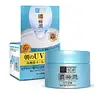
This hybrid sunscreen covers the full UV range and blocks ~98% of UVB at SPF 50.


What's inside
What's inside
 Key Ingredients
No key ingredients
Benefits
Concerns
Ingredients Side-by-side
Citrus Limon Fiber
Emulsion StabilisingAloe Barbadensis Leaf Juice
Skin Conditioning


Theobroma Cacao Seed Butter
Emollient




Stearic Acid
Cleansing
Persea Gratissima Oil
Skin Conditioning
Glycerin
Humectant

Carica Papaya Fruit Juice
HumectantTriethanolamine
BufferingOenothera Biennis Oil
Emollient
Triticum Vulgare Germ Oil
Emollient
Citrus Reticulata Peel Oil
Masking


Citrus Aurantifolia Oil
Cleansing
Citrus Limon Juice
Skin Conditioning
Cetearyl Alcohol
Emollient

Butylphenyl Methylpropional
Perfuming

Limonene
Perfuming
Parfum
Masking
Methylparaben
Preservative


Propylparaben
Preservative
Citrus Limon Fiber, Aloe Barbadensis Leaf Juice, Theobroma Cacao Seed Butter, Stearic Acid, Persea Gratissima Oil, Glycerin, Carica Papaya Fruit Juice, Triethanolamine, Oenothera Biennis Oil, Triticum Vulgare Germ Oil, Citrus Reticulata Peel Oil, Citrus Aurantifolia Oil, Citrus Limon Juice, Cetearyl Alcohol, Butylphenyl Methylpropional, Limonene, Parfum, Methylparaben, Propylparaben
Water
Skin ConditioningEthylhexyl Methoxycinnamate
UV Absorber
Isononyl Isononanoate
EmollientDimethicone
Emollient
Alcohol
Antimicrobial

Butylene Glycol
Humectant
PEG-12 Dimethicone
Skin Conditioning
Pentylene Glycol
Skin Conditioning
Polysilicone-15
UV Filter
Glycol Dimethacrylate Crosspolymer
Bis-Ethylhexyloxyphenol Methoxyphenyl Triazine
Skin Conditioning
Magnesium Ascorbyl Phosphate
Antioxidant





Hydrolyzed Hyaluronic Acid
Humectant
Sodium Hyaluronate
Humectant
Diethylamino Hydroxybenzoyl Hexyl Benzoate
UV Filter
Polysilicone-13
Phenoxyethanol
Preservative
Carbomer
Emulsion StabilisingTriethanolamine
BufferingPolystyrene
Polyvinyl Alcohol
Hydroxyethylcellulose
Emulsion StabilisingDisodium EDTA
Iodopropynyl Butylcarbamate
Preservative
Acrylates/C10-30 Alkyl Acrylate Crosspolymer
Emulsion StabilisingTitanium Dioxide
Cosmetic Colorant
Ammonium Acrylates Copolymer
Hydrated Silica
Abrasive
Aluminum Hydroxide
EmollientHydrogen Dimethicone
Methylparaben
Preservative
Water, Ethylhexyl Methoxycinnamate, Isononyl Isononanoate, Dimethicone, Alcohol, Butylene Glycol, PEG-12 Dimethicone, Pentylene Glycol, Polysilicone-15, Glycol Dimethacrylate Crosspolymer, Bis-Ethylhexyloxyphenol Methoxyphenyl Triazine, Magnesium Ascorbyl Phosphate, Hydrolyzed Hyaluronic Acid, Sodium Hyaluronate, Diethylamino Hydroxybenzoyl Hexyl Benzoate, Polysilicone-13, Phenoxyethanol, Carbomer, Triethanolamine, Polystyrene, Polyvinyl Alcohol, Hydroxyethylcellulose, Disodium EDTA, Iodopropynyl Butylcarbamate, Acrylates/C10-30 Alkyl Acrylate Crosspolymer, Titanium Dioxide, Ammonium Acrylates Copolymer, Hydrated Silica, Aluminum Hydroxide, Hydrogen Dimethicone, Methylparaben
Reviews
Ingredients Explained
These ingredients are found in both products.
Ingredients higher up in an ingredient list are typically present in a larger amount.
Methylparaben is a synthetic preservative and one of the most widely used in the world. It has a simple, but important job: prevent your products from going bad by stopping bacteria, yeast, and mold from growing.
Typical use levels are low, often 0.1-0.3%.
This is also one of the most heavily studied preservatives out there and major regulatory bodies have repeatedly given it the green light.
In 2023, the EU's Scientific Committee on Consumer Safety (SCCS) confirmed that this ingredient is safe up to 0.4% on its own, of up to 0.8% when mixed with other paraben esters.
Here's the science behind the noise behind parabens/hormones as well:
Methylparaben shows very weak estrogen-like activity in vitro tests (more than 1,000x weaker than your body's own estradiol). In vivo (live-organism) studies don't support a meaningful endocrine-disrupting effect either.
You get a stronger estrogenic effect from eating tofu, actually.
It's also a low sensitizer and allergic reactions are uncommon; they usually happen on damage or broken skin.
There is a caveat: France has proposed to formally re-examine its endocrine classification in 2025 so the regulatory conversation isn't fully closed as of yet.
But as it stands today, this ingredient is considered safe at permitted levels.
Learn more about MethylparabenTriethanolamine (TEA) is an emulsifier and pH adjuster. It is created using ethylene oxide and ammonia. This gives Triethanolamine a nitrogen core and a similar scent to ammonia.
As an emulsifier, it prevents ingredients from separating and enhances texture by adding volume to a product.
PH adjusters are common in cosmetic products. The pH of a product can affect the effectiveness of other ingredients. A product with a high pH may also irritate the skin.
If you are looking for the tea leaf ingredient, click here.
Learn more about Triethanolamine

