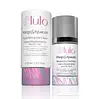
This barrier-repair eye moisturizer is formulated around Aloe Barbadensis Leaf Juice and Butyrospermum Parkii Butter to strengthen the skin barrier and hydrate skin.
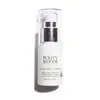
This eye moisturizer is formulated around Aloe Barbadensis Leaf Juice and Tremella Fuciformis Extract to hydrate skin.


What's inside
What's inside
 Key Ingredients
No key ingredients
Benefits
Concerns
Ingredients Side-by-side
Aloe Barbadensis Leaf Juice
Skin Conditioning


Mangifera Indica Seed Butter
Skin Conditioning

Butyrospermum Parkii Butter
Skin Conditioning



Cocos Nucifera Oil
Masking


Helianthus Annuus Seed Oil
Emollient
Camellia Seed Oil
Persea Gratissima Oil
Skin Conditioning
Chamomilla Recutita Flower Extract
Masking
Alcohol Denat.
Antimicrobial


Hamamelis Virginiana Extract
Antiseborrhoeic
Glycerin
Humectant
Theobroma Cacao Extract
Skin ConditioningCoffea Arabica Seed Extract
Masking
Carica Papaya Fruit Extract
Skin ConditioningSolanum Quitoense Fruit Extract
Skin ConditioningPotassium Sunflowerseedate
CleansingLecithin
Emollient
Cera Alba
Emollient
Tapioca Starch
Collagen
Moisturising
Passiflora Edulis Seed Oil
Emollient
Citrus Aurantium Dulcis Peel Oil
Masking
Xanthan Gum
EmulsifyingAloe Barbadensis Leaf Juice, Mangifera Indica Seed Butter, Butyrospermum Parkii Butter, Cocos Nucifera Oil, Helianthus Annuus Seed Oil, Camellia Seed Oil, Persea Gratissima Oil, Chamomilla Recutita Flower Extract, Alcohol Denat., Hamamelis Virginiana Extract, Glycerin, Theobroma Cacao Extract, Coffea Arabica Seed Extract, Carica Papaya Fruit Extract, Solanum Quitoense Fruit Extract, Potassium Sunflowerseedate, Lecithin, Cera Alba, Tapioca Starch, Collagen, Passiflora Edulis Seed Oil, Citrus Aurantium Dulcis Peel Oil, Xanthan Gum
Aloe Barbadensis Leaf Juice
Skin Conditioning
Mangifera Indica Seed Butter
Skin Conditioning
Glycerin
Humectant
Potassium Sunflowerseedate
CleansingRosa Canina Seed Oil
Emollient
Chamomilla Recutita Flower Extract
Masking
Hamamelis Virginiana Extract
Antiseborrhoeic
Trametes Versicolor Extract
Oenothera Biennis Oil
Emollient
Acer Saccharum Extract
Skin ConditioningAcer Rubrum Leaf Extract
Skin ConditioningMalva Sylvestris Leaf Extract
Skin ConditioningPolygonum Hydropiper Extract
HumectantElaeagnus Glabra Extract
Skin ConditioningTremella Fuciformis Extract
Humectant
Solidago Virgaurea Extract
Skin ConditioningOenothera Biennis Flower Extract
AstringentRosa Canina Fruit Extract
Astringent
Tapioca Starch
Copernicia Cerifera Wax
Lecithin
Emollient
Tocopherol
Antioxidant


Psoralia Corylifolia Seed Oil
Xanthan Gum
EmulsifyingLavandula Angustifolia Oil
Masking
Cedrus Atlantica Wood Oil
Perfuming
Cinnamomum Cassia Bark
Skin ConditioningPelargonium Graveolens Flower Oil
Masking
Pogostemon Cablin Leaf Oil
Masking
Aloe Barbadensis Leaf Juice, Mangifera Indica Seed Butter, Glycerin, Potassium Sunflowerseedate, Rosa Canina Seed Oil, Chamomilla Recutita Flower Extract, Hamamelis Virginiana Extract, Trametes Versicolor Extract, Oenothera Biennis Oil, Acer Saccharum Extract, Acer Rubrum Leaf Extract, Malva Sylvestris Leaf Extract, Polygonum Hydropiper Extract, Elaeagnus Glabra Extract, Tremella Fuciformis Extract, Solidago Virgaurea Extract, Oenothera Biennis Flower Extract, Rosa Canina Fruit Extract, Tapioca Starch, Copernicia Cerifera Wax, Lecithin, Tocopherol, Psoralia Corylifolia Seed Oil, Xanthan Gum, Lavandula Angustifolia Oil, Cedrus Atlantica Wood Oil, Cinnamomum Cassia Bark, Pelargonium Graveolens Flower Oil, Pogostemon Cablin Leaf Oil
Ingredients Explained
These ingredients are found in both products.
Ingredients higher up in an ingredient list are typically present in a larger amount.
Aloe Barbadensis Leaf Juice is the filtered, stabilized liquid pressed from the inner gel of the aloe vera leaf.
In cosmetics, it shows up as either soothing active or a water-replacement base. It is roughly 98-99% water and the last 1-2% is an interesting mix of polysaccharides, amino acids, vitamins, minerals, and enzymes.
The polysaccharides do most of the work: they bind water at the skin surface for a light, non-greasy hydration boost. And one of the polysaccharides, glycomannan, is linked to fibroblast stimulation + collagen synthesis. This is also why aloe has such a long track record in wound and burn healing.
This ingredient is also calming with anti-inflammatory and mild antimicrobial activity, making it a great pick for sensitive, irritated, or post-sun skin.
Realistic expectations matter though; the solid evidence is mostly limited to hydration, soothing, and wound support. Deeper claims about anti-aging or sun protection are not well backed, and science reviews note it does not prevent radiation-induced skin injury.
Because it plays well with almost everything, it's commonly used as a base alongside other actives like niacinamide or vitamin C.
Typical usage concentrations range from 0.5% (where hydration benefits already show up) all the way to 90%+ (where it replaces water as the main base).
The safety for this ingredient is well-establish as well. Overall, this is a great supporting ingredient for those who want a boost in hydration.
Learn more about Aloe Barbadensis Leaf JuiceChamomilla Recutita Flower Extract comes from the Chamomile flower.
Chamomile is rich in antioxidants and has anti-inflammatory properties. Several compounds found in chamomile help with soothing, such as bisbolol.
Antioxidant components in chamomile make it an effective ingredient to help slow the signs of aging. Antioxidants help fight free-radical molecules, or molecules that may damage your skin.
Essential oils from chamomile have been found to improve wound healing due to its antimicrobial properties.
Ancient Greeks and Egyptians used Chamomile to treat skin redness and dryness. Chamomile has also been used to help treat stomach issues.
Learn more about Chamomilla Recutita Flower ExtractGlycerin (or glycerol) is a compound naturally found in your skin. It's a powerhouse humectant that pulls water into the stratum corneum.
Topically, glycerin does several things at once:
Your skin makes glycerin on its own (mostly from sebaceous oil breakdown) and shuttles it to your outermost layer of skin, or your epidermis, via aquaporin-3.
Aquaporin-3 is a transporter that is essential for normal skin hydration, elasticity, and repair. Interestingly, mice lacking in AQP3 have dry and less elastic skin that can be fully corrected with glycerin.
This ingredient is non-irritating, plays well with almost every ingredient, and works across all skin types. Typical use is anywhere between 3-10% but can go up to 79% in some leave-on products.
Just know very high concentrations (>40%) can feel tacky in low humidity.
Glycerin is the name for this ingredient in American English. British English uses Glycerol/Glycerine.
Learn more about GlycerinHamamelis Virginiana Extract comes from the witch hazel plant.
Unless it is specified to be non-alcohol, many types of witch hazel ingredients are distilled in denatured alcohol.
Witch Hazel has astringent, anti-inflammatory, antioxidant, and antibacterial properties.
The tannin content of witch hazel constrict the appearance of pores by drying out proteins. Witch hazel water gets anti-inflammatory and antibacterial properties from its catechin and gallic acid content.
However, witch hazel may be skin-sensitizing due to the tannin and fragrance compounds.
North American Indigenous groups have used witch hazel to help treat inflammation for centuries.
Learn more about Hamamelis Virginiana ExtractLecithin is a term for a group of substances found in the cell membranes of plants, animals, and humans. They are made up of phospholipids.
Thanks to its amphiphilic structure (water-loving head and oil-loving tail), it is a true multitasker:
It plays well with most ingredients and is typically used at 0.1-1%. However, concentrations up to 50% have been reported in moisturizers.
Learn more about LecithinThough this ingredient might sound like a juicy fruit extract, it's actually the fat pressed from the mango seed kernel (or the pit).
In skincare, it behaves more like shea butter and cocoa butter than like a plant active.
The fatty acid makeup of mango seed butter makes it special; it's typically rich in stearic acid and oleic acid, with small amounts of palmitic and linoleic acid.
This combo helps it melt on skin, feel creamy, and leave behind a protective "seal" that slows down water loss.
It also contains a small amount of "extras" like tocopherols (vitamin E) and phytosterols, which are often used to support skin soothing.
Due to its fatty acid content (like oleic acid), this ingredient may not be fungal acne safe. In vitro studies have shown that Oleic Acid is one of the fatty acids that induce rapid Malassezia growth in lab settings.
Learn more about Mangifera Indica Seed ButterWe don't have a description for Potassium Sunflowerseedate yet.
Tapioca starch is a thickening agent and is made from the cassava root, also known as yucca.
According to a manufacturer, it is an excellent talc replacement.
It is gluten-free.
Learn more about Tapioca StarchXanthan gum is used as a stabilizer and thickener within cosmetic products. It helps give products a sticky, thick feeling - preventing them from being too runny.
On the technical side of things, xanthan gum is a polysaccharide - a combination consisting of multiple sugar molecules bonded together.
Xanthan gum is a pretty common and great ingredient. It is a natural, non-toxic, non-irritating ingredient that is also commonly used in food products.
Learn more about Xanthan Gum

