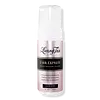
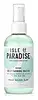
Loving Tan 2 HR Express Deluxe Bronzing Mousse Versus Isle of Paradise Self-Tanning Water for Medium - Golden Glow
This tanning is formulated to hydrate skin and calm redness.


What's inside
What's inside
 Key Ingredients
Benefits
Concerns
Ingredients Side-by-side
Water
Skin ConditioningDihydroxyacetone
Skin ConditioningPropylene Glycol
Humectant


Ethoxydiglycol
HumectantPanthenol
Skin Conditioning



Erythrulose
TanningHamamelis Virginiana Water
Astringent

Decyl Glucoside
Cleansing
Phenoxyethanol
Preservative
Ethylhexylglycerin
Skin ConditioningJuglans Nigra Shell Extract
AstringentAloe Barbadensis Leaf Juice
Skin Conditioning
Parfum
Masking

Hydroxypropyl Methylcellulose
Emulsion StabilisingSodium Metabisulfite
Antioxidant
Dimethicone PEG-8 Phosphate
Emollient
Alcohol
Antimicrobial
Citric Acid
Buffering

Salix Alba Bark Extract
Astringent

Maltodextrin
Absorbent
Benzyl Benzoate
Antimicrobial
Benzyl Salicylate
Perfuming
Coumarin
Perfuming
CI 16035
Cosmetic ColorantCI 17200
Cosmetic ColorantCI 19140
Cosmetic ColorantCI 42090
Cosmetic ColorantWater, Dihydroxyacetone, Propylene Glycol, Ethoxydiglycol, Panthenol, Erythrulose, Hamamelis Virginiana Water, Decyl Glucoside, Phenoxyethanol, Ethylhexylglycerin, Juglans Nigra Shell Extract, Aloe Barbadensis Leaf Juice, Parfum, Hydroxypropyl Methylcellulose, Sodium Metabisulfite, Dimethicone PEG-8 Phosphate, Alcohol, Citric Acid, Salix Alba Bark Extract, Maltodextrin, Benzyl Benzoate, Benzyl Salicylate, Coumarin, CI 16035, CI 17200, CI 19140, CI 42090
Water
Skin ConditioningPropylene Glycol
Humectant
Dihydroxyacetone
Skin ConditioningGlycerin
Humectant
Ethoxydiglycol
HumectantPEG-40 Hydrogenated Castor Oil
Emulsifying

Erythrulose
TanningGlycereth-26
Humectant
Agastache Mexicana Flower/Leaf/Stem Extract
Skin ConditioningAloe Barbadensis Extract
Skin Conditioning
Citrus Grandis Peel Oil
Masking
Cocos Nucifera Oil
Masking

Eucalyptus Globulus Leaf Oil
Perfuming
Mentha Piperita Oil
Masking
Persea Gratissima Oil
Skin Conditioning
Salvia Hispanica Seed Oil
Emollient
Salvia Officinalis Oil
Masking
Methoxyphenyl T-Butylphenyl Propanediol
Skin ConditioningTropaeolum Majus Flower/Leaf/Stem Extract
Skin ConditioningPanthenol
Skin Conditioning
Ascorbic Acid
Antioxidant


Ethylhexylglycerin
Skin ConditioningPropanediol
Solvent
Sodium Benzotriazolyl Butylphenol Sulfonate
UV AbsorberTris(Tetramethylhydroxypiperidinol)Citrate
StabilisingParfum
Masking
Sodium Metabisulfite
Antioxidant
Phenoxyethanol
Preservative
Triethylene Glycol
Masking
CI 19140
Cosmetic ColorantCI 42090
Cosmetic ColorantCI 16035
Cosmetic ColorantWater, Propylene Glycol, Dihydroxyacetone, Glycerin, Ethoxydiglycol, PEG-40 Hydrogenated Castor Oil, Erythrulose, Glycereth-26, Agastache Mexicana Flower/Leaf/Stem Extract, Aloe Barbadensis Extract, Citrus Grandis Peel Oil, Cocos Nucifera Oil, Eucalyptus Globulus Leaf Oil, Mentha Piperita Oil, Persea Gratissima Oil, Salvia Hispanica Seed Oil, Salvia Officinalis Oil, Methoxyphenyl T-Butylphenyl Propanediol, Tropaeolum Majus Flower/Leaf/Stem Extract, Panthenol, Ascorbic Acid, Ethylhexylglycerin, Propanediol, Sodium Benzotriazolyl Butylphenol Sulfonate, Tris(Tetramethylhydroxypiperidinol)Citrate, Parfum, Sodium Metabisulfite, Phenoxyethanol, Triethylene Glycol, CI 19140, CI 42090, CI 16035
Ingredients Explained
These ingredients are found in both products.
Ingredients higher up in an ingredient list are typically present in a larger amount.
Ci 16035 is a synthetic dark-red dye. This dye is created from an acid called Allura red AC, an azo dye.
Azo dyes need to be purified thoroughly before use. This makes them more stable and longer lasting.
This dye is commonly used in foods, approved by both the FDA and EFSA.
Learn more about CI 16035CI 19140 is also known as Tartrazine. Tartrazine is a synthetic dye used in cosmetics, foods, and medicine to add a yellow color.
Tartrazine is created from petroleum and is water-soluble.
Some people may experience allergies from this dye, especially asthmatics and those with an aspirin intolerance.
Learn more about CI 19140Ci 42090 is a synthetic dye created from petroleum. It is used to give a bright blue color to cosmetics, medicine, and food.
Dihydroxyacetone, or DHA, is the active ingredient in self-tanners.
It's a simply sugar that reacts with the free amino acids in your outermost layer of skin to produce brown-colored compounds called melanoidins.
DHA does not penetrate living skin cells, does not interact with melanocytes, and does not affect actualy melanin production.
There's a "safety controversy" that largely stems from misinterpreted studies:
Once concern is that DHA can generate unstable molecules that can damage cells (free radicals) when exposed to sunlight. This only happens in the outermost layer of dead skin cells and wearing SPF on top takes care of it.
The DNA damage claim comes from lab studies that doused living skin cells in much higher concentrations of DHA than you'd ever find in a self-tanner. That's not really a meaningful comparison to putting self-tanning lotion on your skin.
Regulatory bodies around the world, including the EU's Scientific Committee on Consumer Safety (SCCS) and the U.S. FDA consider it safe for use in cosmetics when applied topically (maximum 10%, and most self-tanners contain between 3-5%).
Learn more about DihydroxyacetoneWe don't have a description for Erythrulose yet.
Ethoxydiglycol (aka Diethylene Glycol Monoethyl Ether) is one of the cosmetic world's quiet problem solvers.
In a formula, it is a solvent that dissolves tricky ingredients that don't want to mix in and helps spread ingredients evenly across your skin without leaving a greasy or sticky feeling
This makes it great for hard-to-dissolve actives like vitamin C, benzoyl peroxide, and self-tanner DHA.
It also has mild humectant and penetration enhancer abilities so it can help some actives absorb a little deeper.
The penetration boost is backed by lab research: studies using human skin samples found it improved how well an active dissolves into the upper layer of skin rather than tearing down your skin barrier. Reviews of its mechanism also describe it interacting gently with the lipids and water in your outermost layer of skin.
Just know this penetration-enhancing effect is not universal. It helps a lot in some formulas and did very little in others (so the benefit really depends on the specific product).
Safety-wise, the evidence is reassuring. The Cosmetic Ingredient Review Expert Panel reviewed it and concluded it's safe for use in cosmetics and recognized it as non-irritating, non-sensitizing, and non-comedogenic in skincare.
Typical leave-on skincare usage lands around 1-10%. The EU has sets caps of 2.6% in non-spray products, 10% in rinse-offs, 7% in oxidative hair dye, and 5% in non-oxidative hair dye.
Learn more about EthoxydiglycolEthylhexylglycerin is created from glycerin. It is a multitasker ingredient that:
The CIR Expert Panel found minimal skin absorption or sensitization of any kind in a safety assessment. Though this ingredient is considered well-tolerated, a small number of cases of allergic dermatitis have been published since 2002. Just be sure to patch test if you are unsure.
Industry-reported use ranges from 8% in rinse-off products and 2% in leave-on formulations.
Learn more about EthylhexylglycerinPanthenol is a common ingredient that helps hydrate and soothe the skin. It is found naturally in our skin and hair.
There are two forms of panthenol: D and L.
D-panthenol is also known as dexpanthenol. Most cosmetics use dexpanthenol or a mixture of D and L-panthenol.
Panthenol is famous due to its ability to go deeper into the skin's layers. Using this ingredient has numerous pros (and no cons):
Like hyaluronic acid, panthenol is a humectant. Humectants are able to bind and hold large amounts of water to keep skin hydrated.
This ingredient works well for wound healing. It works by increasing tissue in the wound and helps close open wounds.
Once oxidized, panthenol converts to pantothenic acid. Panthothenic acid is found in all living cells.
This ingredient is also referred to as pro-vitamin B5.
Learn more about PanthenolParfum is a catch-all term for an ingredient or more that is used to give a scent to products.
Also called "fragrance", this ingredient can be a blend of hundreds of chemicals or plant oils. This means every product with "fragrance" or "parfum" in the ingredients list is a different mixture.
For instance, Habanolide is a proprietary trade name for a specific aroma chemical. When used as a fragrance ingredient in cosmetics, most aroma chemicals fall under the broad labeling category of “FRAGRANCE” or “PARFUM” according to EU and US regulations.
The term 'parfum' or 'fragrance' is not regulated in many countries. In many cases, it is up to the brand to define this term.
For instance, many brands choose to label themselves as "fragrance-free" because they are not using synthetic fragrances. However, their products may still contain ingredients such as essential oils that are considered a fragrance by INCI standards.
One example is Calendula flower extract. Calendula is an essential oil that still imparts a scent or 'fragrance'.
Depending on the blend, the ingredients in the mixture can cause allergies and sensitivities on the skin. Some ingredients that are known EU allergens include linalool and citronellol.
Parfum can also be used to mask or cover an unpleasant scent.
The bottom line is: not all fragrances/parfum/ingredients are created equally. If you are worried about fragrances, we recommend taking a closer look at an ingredient. And of course, we always recommend speaking with a professional.
Learn more about ParfumPhenoxyethanol is one of the most widely used preservatives in skincare (and for good reason!).
It has a large spectrum of antimicrobial activity and especially effective bacteria, yeast, and mold while only having a weak effect on your skin's natural microbiome.
On a cellular level, it disrupts the cell membranes of microbes by poking holes that make the cell leak. This shuts down the chemical reactions the microbe needs to make energy so it can no longer survive.
Another perk of this ingredient is that it stays functional across a wide pH range (3-10).
You'll often see it paired with boosters like Ethylhexylglycerin; one study showed that a 1:9 ratio of Ethylhexylglycerin to Phenoxyethanol damages bacterial membranes as effectively as doubling the Phenoxyethanol concentration on its own.
Typical use concentrations range from 0.3-1% depending on the formula, and this ingredient is capped at 1% int the EU.
Safety-wise, the fear mongering does not hold up to the evidence. The EU's Scientific Committee on Consumer Safety and FDA consider it safe as a preservative at up to 1%, including for children of all ages.
Adverse systemic effects only showed up in animal studies at exposures roughly 200x higher than what people get from cosmetics. And despite its very widespread use, this ingredient is a rare sensitizer and allergic reactions are uncommon.
Learn more about PhenoxyethanolPropylene Glycol is a synthetic, colorless, odorless liquid that has been a staple in cosmetics for decades. It is a skin conditioning agent, humectant, and solvent.
As a humectant, it draw water to the skin to reduce flaking and restore suppleness. It's also a solvent that helps dissolve other actives and keeps formulas stable across temperature changes.
The CIR Expert Panel has confirmed this ingredient to be nontoxic and clinical studies show no sensitization at cosmetic use concentrations.
True allergic reactions are quite rare: a 15-year retrospective study of 6,751 patients found only 0.31% had a positive reaction (and less than half were considered clinically relevant).
It seemed that when sensitization does occur, it's most commonly linked to topical medication (like corticosteroids) and not cosmetics. Allergic contact dermatitis also appears largely limited to individuals with underlying skin conditions.
Overall, propylene glycol is a well-studied ingredient that most people can tolerate without issue.
Learn more about Propylene GlycolSodium metabisulfite is also known as Sodium Pyrosulfite. It is a preservative, antioxidant, and disinfectant.
As a preservative, it helps stabilize cosmetic formulas without affecting their color or scent.
Water. It's the most common cosmetic ingredient of all. You'll usually see it at the top of ingredient lists, meaning that it makes up the largest part of the product.
So why is it so popular? Water most often acts as a solvent - this means that it helps dissolve other ingredients into the formulation.
You'll also recognize water as that liquid we all need to stay alive. If you see this, drink a glass of water. Remember to stay hydrated!
Learn more about Water

