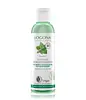
This oil-control toner is formulated around Salix Alba Bark Extract and Camellia Sinensis Leaf Extract to balance excess oil and refine the look of pores.
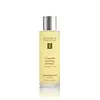
This smoothing toner is formulated around Glycyrrhiza Glabra Root Extract and Gluconolactone to refine skin texture and brighten dull-looking skin.


What's inside
What's inside
 Key Ingredients
Benefits
Concerns
Ingredients Side-by-side
Water
Skin ConditioningAlcohol Denat.
Antimicrobial




Glycerin
Humectant


Sodium Lactate
Buffering
Mentha Piperita Oil
Masking



Salix Alba Bark Extract
Astringent


Camellia Sinensis Leaf Extract
Antimicrobial




Cimicifuga Racemosa Root Extract
Antimicrobial
Salvia Officinalis Leaf Extract
CleansingHamamelis Virginiana Leaf Extract
Skin Conditioning
Mentha Piperita Leaf Extract
Skin ConditioningSodium Hydroxide
BufferingRosmarinus Officinalis Leaf Extract
AntimicrobialWater, Alcohol Denat., Glycerin, Sodium Lactate, Mentha Piperita Oil, Salix Alba Bark Extract, Camellia Sinensis Leaf Extract, Cimicifuga Racemosa Root Extract, Salvia Officinalis Leaf Extract, Hamamelis Virginiana Leaf Extract, Mentha Piperita Leaf Extract, Sodium Hydroxide, Rosmarinus Officinalis Leaf Extract
Aloe Barbadensis Leaf Juice
Skin Conditioning
Helianthus Annuus Seed Oil
Emollient
Glycyrrhiza Glabra Root Extract
Bleaching
Citrus Limon Peel Extract
EmollientCymbopogon Citratus Extract
Skin ConditioningSalix Alba Bark Extract
Astringent
Arctostaphylos Uva-Ursi Leaf Extract
Skin Conditioning
Mentha Piperita Leaf Extract
Skin ConditioningRosmarinus Officinalis Leaf Extract
AntimicrobialSalvia Officinalis Leaf Extract
CleansingGlycerin
Humectant
Water
Skin ConditioningAnanas Sativus Fruit Extract
Skin ConditioningGluconolactone
Chelating


Alcohol Denat.
Antimicrobial
Bromelain
Skin Conditioning
Hamamelis Virginiana Water
Astringent
Tranexamic Acid
Astringent
Citrus Reticulata Peel Oil
Masking
Mangifera Indica Fruit Extract
Skin ConditioningFrangula Alnus Bark Extract
Skin ConditioningCitrus Aurantium Bergamia Fruit Oil
Masking
Citrus Limon Peel Oil
Masking
Terminalia Ferdinandiana Fruit Extract
Antioxidant
Myrciaria Dubia Fruit Extract
Skin ConditioningCurcuma Longa Root Extract
Antioxidant
1,2-Hexanediol
Skin Conditioning
Caprylyl/Capryl Glucoside
CleansingHeptyl Glucoside
SurfactantAcacia Senegal Gum
MaskingXanthan Gum
EmulsifyingCaprylyl Glycol
Emollient
Potassium Sorbate
Preservative
Arginine
Masking
Sorbitan Caprylate
EmulsifyingAscorbic Acid
Antioxidant
Tropolone
Skin ConditioningParfum
Masking
Euterpe Oleracea Fruit Extract
Emblica Officinalis Fruit Extract
Skin ConditioningMalpighia Glabra Fruit Extract
Skin ConditioningCitrus Limon Juice
Skin Conditioning
Adansonia Digitata Fruit Extract
EmollientDaucus Carota Sativa Root Extract
Skin Conditioning
Cocos Nucifera Water
Masking
Maltodextrin
Absorbent
Lycium Barbarum Fruit Extract
Astringent
Thioctic Acid
Antioxidant
Ubiquinone
Antioxidant
Aloe Barbadensis Leaf Juice, Helianthus Annuus Seed Oil, Glycyrrhiza Glabra Root Extract, Citrus Limon Peel Extract, Cymbopogon Citratus Extract, Salix Alba Bark Extract, Arctostaphylos Uva-Ursi Leaf Extract, Mentha Piperita Leaf Extract, Rosmarinus Officinalis Leaf Extract, Salvia Officinalis Leaf Extract, Glycerin, Water, Ananas Sativus Fruit Extract, Gluconolactone, Alcohol Denat., Bromelain, Hamamelis Virginiana Water, Tranexamic Acid, Citrus Reticulata Peel Oil, Mangifera Indica Fruit Extract, Frangula Alnus Bark Extract, Citrus Aurantium Bergamia Fruit Oil, Citrus Limon Peel Oil, Terminalia Ferdinandiana Fruit Extract, Myrciaria Dubia Fruit Extract, Curcuma Longa Root Extract, 1,2-Hexanediol, Caprylyl/Capryl Glucoside, Heptyl Glucoside, Acacia Senegal Gum, Xanthan Gum, Caprylyl Glycol, Potassium Sorbate, Arginine, Sorbitan Caprylate, Ascorbic Acid, Tropolone, Parfum, Euterpe Oleracea Fruit Extract, Emblica Officinalis Fruit Extract, Malpighia Glabra Fruit Extract, Citrus Limon Juice, Adansonia Digitata Fruit Extract, Daucus Carota Sativa Root Extract, Cocos Nucifera Water, Maltodextrin, Lycium Barbarum Fruit Extract, Thioctic Acid, Ubiquinone
Ingredients Explained
These ingredients are found in both products.
Ingredients higher up in an ingredient list are typically present in a larger amount.
Alcohol Denat. is an alcohol with a denaturant property. It is created by mixing ethanol with other additives.
The "denat" part just means "denatured"; common denaturants include Denatonium Benzoate, t-butyl alcohol, and Diethyl Phthalate. This step makes the alcohol undrinkable (and lets brand skip taxes related to beverage alcohol).
This ingredient gets a bad rep because it is irritating and drying due to its astringent property. Astringents draw out natural oils in tissue to constrict pores and dry out your skin.
However, alcohol denat. is not all that bad.
Due to its low molecular weight, alcohol denat. tends to evaporate quickly. One study on pig skin found half of applied alcohol evaporated in 10 seconds and less than 3% stayed on skin.
This also helps other ingredients become better absorbed upon application.
Studies are conflicted about whether this ingredient causes skin dehydration. One study from 2005 found adding emollients to propanol-based sanitizer decreased skin dryness and irritation. Another study found irritation only occurs if your skin is already damaged.
Small amounts of alcohol are generally tolerated by oily skin or people who live in humid environments.
The rule of thumb is this ingredient will probably not affect your skin much if it is near the end of an ingredients list.
One thing to note:
People with ALDH2 (aldehyde dehydrogenase 2) deficiency may experience skin irritation from continued alcohol use. About 8% of the world's population have this deficiency.
The Cosmetic Ingredient Review Expert Panel has determined denatured alcohols to be safe for use in concentrations between 0.05% and 12% (depending on which denaturant is used).
Also...
This ingredient has antimicrobial and solvent properties.
The antimicrobial property helps preserve products and increase their shelf life. As a solvent, it helps dissolve other ingredients.
Look for formulas that contain glycerin, hyaluronic acid, or panthenol if you want to offset any drying effect.
This ingredient will trip away your skin's natural oils/lipids that help it lock in moisture. This can worsen dryness, trigger eczema flare-ups, and aggravate rosacea.
Be sure to patch test any product with this ingredient if you have dry or sensitive skin, eczema, or rosacea.
Learn more about Alcohol Denat.Glycerin (or glycerol) is a compound naturally found in your skin. It's a powerhouse humectant that pulls water into the stratum corneum.
Topically, glycerin does several things at once:
Your skin makes glycerin on its own (mostly from sebaceous oil breakdown) and shuttles it to your outermost layer of skin, or your epidermis, via aquaporin-3.
Aquaporin-3 is a transporter that is essential for normal skin hydration, elasticity, and repair. Interestingly, mice lacking in AQP3 have dry and less elastic skin that can be fully corrected with glycerin.
This ingredient is non-irritating, plays well with almost every ingredient, and works across all skin types. Typical use is anywhere between 3-10% but can go up to 79% in some leave-on products.
Just know very high concentrations (>40%) can feel tacky in low humidity.
Glycerin is the name for this ingredient in American English. British English uses Glycerol/Glycerine.
Learn more about GlycerinMentha Piperita Leaf Extract is extract from peppermint leaves. It has a "cooling" sensory feel depending on what compounds are found in the extract.
Peppermint leaves contain polyphenols that antioxidant activity. In-vitro studies show anti-inflammatory and antimicrobial activity against some bacteria and fungi.
Evidence for mint as a "treatment" ingredient is limited and depends heavily on the specific extract type and concentration.
In large percentages, peppermint extract may sensitize the skin.
Learn more about Mentha Piperita Leaf ExtractThis is a botanical extract from the rosemary plant (the same one you cook with). In skincare, it mostly works as a skin conditioning agent.
Its activity comes from a handful of polyphenols, carnosic acid, carnosol, and rosmarinic acid. Almost 90% of the antioxidant activity of this ingredient can be attributed to canosol and carnosic acid.
These compounds protect your skin two ways:
1) They fight off free radicals, or the unstable molecules from things like sun and pollution that age and damage skin.
2) They help calm inflammation by switching off the chemical signals that tell skin to get red and irritated.
Lab studies also suggest that rosmarinic acid may help protect collagen and slow sugar-related damage to it.
The Cosmetic Ingredient Review has concluded rosemary-derived ingredients to be safe when formulated to be non-sensitizing.
Rosemary can occasionally cause allergic contact dermatitis (due to carnosol), so be sure to patch test if you have reactive or fragrance-sensitive skin.
Learn more about Rosmarinus Officinalis Leaf ExtractSalix Alba Bark Extract comes from the bark of the white willow tree. The official CosIng listing states this ingredient to have astringent, skin conditioning, soothing, and tonic properties.
Its star compound is salicin, a natural glucoside that is chemically related to salicylic acid. That's why you'll often see it marketed as a "natural BHA alternative" but that's a bit of a stretch.
Your skin can't convert salicin to salicylic acid because it needs specific enzymes that aren't present on the skin's surface. It won't behave like true salicylic acid, especially at the concentrations used in cosmetics.
However, this ingredient has its own perks. It contains flavonoids, polyphenols, and tannins that give it proven antioxidant and soothing properties.
An 8-week clinical study found a cream with 2% of this extract improved skin microcirculation, elasticity, and dark circles. This is most likely due to its role in increasing hyaluronic acid synthesis in fibroblasts and improved vascular integrity.
Another study found a topical serum with 0.5% salicin showed improvements in visible signs of aging, hyperpigmentation, and texture.
Just be careful if you have a known aspirin/salicylate allergy and be sure to consult with a medical professional about using this ingredient if you do.
Fun fact: Willow Bark extract has been used for thousands of years and ancient civilizations used white willow to help treat pain and fevers.
Learn more about Salix Alba Bark ExtractSage leaf extract is a culinary and medicinal herb with antibacterial, antioxidant, and soothing properties.
This ingredient is made up of 75-90% ursolic acid, a potent antioxidant and anti-inflammatory compound.
Water. It's the most common cosmetic ingredient of all. You'll usually see it at the top of ingredient lists, meaning that it makes up the largest part of the product.
So why is it so popular? Water most often acts as a solvent - this means that it helps dissolve other ingredients into the formulation.
You'll also recognize water as that liquid we all need to stay alive. If you see this, drink a glass of water. Remember to stay hydrated!
Learn more about Water

