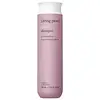
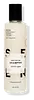
Living Proof Restore Shampoo Versus Seen Shampoo

What's inside
What's inside
 Key Ingredients
Benefits
Concerns
Ingredients Side-by-side
Water
Skin ConditioningSodium Lauroyl Methyl Isethionate
CleansingCocamidopropyl Hydroxysultaine
Cleansing
Sodium Methyl Cocoyl Taurate
Cleansing
Glycol Distearate
Emollient

Decyl Glucoside
Cleansing
Sodium Cocoyl Glycinate
Cleansing
Linoleamidopropyl Pg-Dimonium Chloride Phosphate
Coco-Glucoside
Cleansing
Maltooligosyl Glucoside
Skin ConditioningHydrogenated Starch Hydrolysate
HumectantBehenyl Alcohol
Emollient
Sunfloweroyl Methylglucamide
CleansingSorbitan Laurate
Emulsifying
Polyquaternium-47
Skin ConditioningPropylene Glycol
Humectant

Sodium Polyaspartate
HumectantSorbeth-230 Tetraoleate
Emulsifying
Acrylates/Beheneth-25 Methacrylate Copolymer
Parfum
Masking


Sodium Hydroxide
BufferingSodium Benzoate
Masking
Hydroxyacetophenone
Antioxidant
Limonene
Perfuming
Hexyl Cinnamal
Perfuming
Linalool
Perfuming
Citronellol
Perfuming
Water, Sodium Lauroyl Methyl Isethionate, Cocamidopropyl Hydroxysultaine, Sodium Methyl Cocoyl Taurate, Glycol Distearate, Decyl Glucoside, Sodium Cocoyl Glycinate, Linoleamidopropyl Pg-Dimonium Chloride Phosphate, Coco-Glucoside, Maltooligosyl Glucoside, Hydrogenated Starch Hydrolysate, Behenyl Alcohol, Sunfloweroyl Methylglucamide, Sorbitan Laurate, Polyquaternium-47, Propylene Glycol, Sodium Polyaspartate, Sorbeth-230 Tetraoleate, Acrylates/Beheneth-25 Methacrylate Copolymer, Parfum, Sodium Hydroxide, Sodium Benzoate, Hydroxyacetophenone, Limonene, Hexyl Cinnamal, Linalool, Citronellol
Water
Skin ConditioningSodium Lauroyl Methyl Isethionate
CleansingCocamidopropylamine Oxide
Cleansing
Glycerin
Humectant

Acrylates Copolymer
Glycol Distearate
Emollient
Trisodium Ethylenediamine Disuccinate
C13-15 Alkane
SolventGuar Hydroxypropyltrimonium Chloride
Skin ConditioningPolyquaternium-7
Bisabolol
Antioxidant

Citric Acid
Buffering

Disodium EDTA
Phenoxyethanol
Preservative
Ethylhexylglycerin
Skin ConditioningAminomethyl Propanol
BufferingSodium Hydroxide
BufferingTocopherol
Antioxidant


Sodium Benzoate
Masking
Water, Sodium Lauroyl Methyl Isethionate, Cocamidopropylamine Oxide, Glycerin, Acrylates Copolymer, Glycol Distearate, Trisodium Ethylenediamine Disuccinate, C13-15 Alkane, Guar Hydroxypropyltrimonium Chloride, Polyquaternium-7, Bisabolol, Citric Acid, Disodium EDTA, Phenoxyethanol, Ethylhexylglycerin, Aminomethyl Propanol, Sodium Hydroxide, Tocopherol, Sodium Benzoate
Reviews
Ingredients Explained
These ingredients are found in both products.
Ingredients higher up in an ingredient list are typically present in a larger amount.
Glycol Distearate is an emulsifier and emollient that adds a "pearly" appearance to formulations.
That lustrous look you see in many shampoos is due to this ingredient: when cooled, it crystallizes into small platelets that reflect light to give products that rich, shimmering look.
This ingredient is considered safe at present practices of use and concentration and repeated insult patch test with 50% Glycol Distearate on 125 subjects found no evidence of skin irritation, hypersensitivity, or acute toxicity.
Typical use concentrations range from 0.1-10%.
Because it's an ester of stearic acid, it falls into the range that Malassezia likes to metabolize. This ingredient may not be fungal acne safe.
Learn more about Glycol DistearateSodium Benzoate is a preservative. It's used in both cosmetic and food products to inhibit the growth of mold and bacteria. It is typically produced synthetically.
Both the US FDA and EU Health Committee have approved the use of sodium benzoate. In the US, levels of 0.1% (of the total product) are allowed.
Sodium benzoate works as a preservative by inhibiting the growth of bacteria inside of cells. It prevents the cell from fermenting a type of sugar using an enzyme called phosphofructokinase.
It is the salt of benzoic acid. Foods containing sodium benzoate include soda, salad dressings, condiments, fruit juices, wines, and snack foods.
Studies for using ascorbic acid and sodium benzoate in cosmetics are lacking, especially in skincare routines with multiple steps.
We always recommend speaking with a professional, such as a dermatologist, if you have any concerns.
Learn more about Sodium BenzoateSodium Hydroxide is also known as lye or caustic soda. It is used to adjust the pH of products; many ingredients require a specific pH to be effective.
In small amounts, sodium hydroxide is considered safe to use. However, large amounts may cause chemical burns due to its high alkaline.
Your skin has a natural pH and acid mantle. This acid mantle helps prevent harmful bacteria from breaking through. The acid mantle also helps keep your skin hydrated.
"Alkaline" refers to a high pH level. A low pH level would be considered acidic.
Learn more about Sodium HydroxideSodium Lauroyl Methyl Isethionate is a gentle, sulfate-free cleansing agent. It's basically a mild "soap" molecule derived from coconut that makes a soft, cream foam and is very soluble in water.
Typical concentration use ranges from ~0.6-10% in rinse off products and only trace amounts (~0.009%) in leave on products.
The Cosmetic Ingredient Review Expert Panel has assessed it and concluded it to be safe as used at these concentrations when formulated to be non-irritating.
Allergy and sensitization risk is low and often when someone reacts to a cleanser it's due to the fragrance or preservatives rather than this ingredient itself.
Learn more about Sodium Lauroyl Methyl IsethionateWater. It's the most common cosmetic ingredient of all. You'll usually see it at the top of ingredient lists, meaning that it makes up the largest part of the product.
So why is it so popular? Water most often acts as a solvent - this means that it helps dissolve other ingredients into the formulation.
You'll also recognize water as that liquid we all need to stay alive. If you see this, drink a glass of water. Remember to stay hydrated!
Learn more about Water

