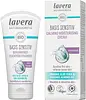
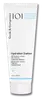
This calming moisturizer is formulated around Aloe Barbadensis Leaf Juice and Ectoin to calm redness and hydrate skin.


What's inside
What's inside
 Key Ingredients
Benefits
Concerns
No concerns
Ingredients Side-by-side
Water
Skin ConditioningGlycerin
Humectant


Helianthus Annuus Hybrid Oil
Emollient


Pentylene Glycol
Skin Conditioning
Isoamyl Laurate
Emollient
Glyceryl Stearate Citrate
Emollient
Cetearyl Alcohol
Emollient




Dicaprylyl Ether
Emollient
Aloe Barbadensis Leaf Juice
Skin Conditioning

Myristyl Myristate
Emollient
Ectoin
Skin Conditioning

Butyrospermum Parkii Butter
Skin Conditioning
Hamamelis Virginiana Leaf Extract
Skin Conditioning
Melissa Officinalis Leaf Extract
Skin ConditioningPrunus Amygdalus Dulcis Oil
Skin Conditioning
Glycine Soja Oil
Emollient
Olea Europaea Fruit Oil
Masking
Helianthus Annuus Seed Oil
Emollient
Levulinic Acid
Perfuming
Dehydroxanthan Gum
Emulsion StabilisingBisabolol
Antioxidant
Decyl Cocoate
Emollient
Squalane
Emollient
Sodium Levulinate
Skin ConditioningDipotassium Glycyrrhizate
Humectant
Lecithin
Emollient
Tocopherol
Antioxidant

Sodium Anisate
AntimicrobialSodium Hydroxide
BufferingXylitylglucoside
Humectant
Anhydroxylitol
Humectant
Maltodextrin
Absorbent
Caprylhydroxamic Acid
ChelatingHydrogenated Lecithin
Emulsifying
Xylitol
Humectant
Biosaccharide Gum-1
Humectant
Water, Glycerin, Helianthus Annuus Hybrid Oil, Pentylene Glycol, Isoamyl Laurate, Glyceryl Stearate Citrate, Cetearyl Alcohol, Dicaprylyl Ether, Aloe Barbadensis Leaf Juice, Myristyl Myristate, Ectoin, Butyrospermum Parkii Butter, Hamamelis Virginiana Leaf Extract, Melissa Officinalis Leaf Extract, Prunus Amygdalus Dulcis Oil, Glycine Soja Oil, Olea Europaea Fruit Oil, Helianthus Annuus Seed Oil, Levulinic Acid, Dehydroxanthan Gum, Bisabolol, Decyl Cocoate, Squalane, Sodium Levulinate, Dipotassium Glycyrrhizate, Lecithin, Tocopherol, Sodium Anisate, Sodium Hydroxide, Xylitylglucoside, Anhydroxylitol, Maltodextrin, Caprylhydroxamic Acid, Hydrogenated Lecithin, Xylitol, Biosaccharide Gum-1
Water
Skin ConditioningC15-19 Alkane
SolventGlycerin
Humectant
Caprylic/Capric Triglyceride
Masking
PEG/PPG/Polybutylene Glycol-8/5/3 Glycerin
HumectantIsosorbide Dicaprylate
Skin ConditioningEctoin
Skin Conditioning
Xylitylglucoside
Humectant
Bisabolol
Antioxidant
Allantoin
Skin Conditioning
Anhydroxylitol
Humectant
Xylitol
Humectant
Hydroxyethyl Acrylate/Sodium Acryloyldimethyl Taurate Copolymer
Emulsion StabilisingAmmonium Acryloyldimethyltaurate/Vp Copolymer
Glucose
Humectant
Citric Acid
Buffering
Tocopherol
Antioxidant
Ethylhexylglycerin
Skin ConditioningPhenoxyethanol
Preservative
Water, C15-19 Alkane, Glycerin, Caprylic/Capric Triglyceride, PEG/PPG/Polybutylene Glycol-8/5/3 Glycerin, Isosorbide Dicaprylate, Ectoin, Xylitylglucoside, Bisabolol, Allantoin, Anhydroxylitol, Xylitol, Hydroxyethyl Acrylate/Sodium Acryloyldimethyl Taurate Copolymer, Ammonium Acryloyldimethyltaurate/Vp Copolymer, Glucose, Citric Acid, Tocopherol, Ethylhexylglycerin, Phenoxyethanol
Reviews
Ingredients Explained
These ingredients are found in both products.
Ingredients higher up in an ingredient list are typically present in a larger amount.
This ingredient is created from dehydrating xylitol in acidic conditions. Xylitol is a famous sugar and humectant.
Much like its predecessor, anhydroxylitol is a humectant. Humectants attract and hold water to moisturize the skin.
This ingredient is most commonly found in a popular trio called Aquaxyl. Aquaxyl is made up of anhydroxylitol (24 - 34%), xylitylglucoside (35 - 50%), and xylitol (5 - 15%).
According to a manufacturer, Aquaxyl is known for a 3-D hydration concept and an anti-dehydration shield to reinforce the outer layer of skin.
This ingredient is often derived from plants such as wood and sugarcane.
Learn more about AnhydroxylitolBisabolol is a gentle skin conditioner, antioxidant, and soothing ingredient.
It's primary claim to fame is soothing and research shows topically applied bisabolol can quiet the chemical messengers that cause your skin to become inflamed, helping to sooth any irritation.
A clinical study found that applying 0.5% bisabolol daily for 8 weeks produced an average 9% decrease in skin pigmentation. Researchers found it can also suppress the process that leads to excess melanin production in skin.
In vitro studies found that bisabolol combined with propylene glycol significantly increased skin permeability by increasing lipid fluidity in the stratum corneum.
You'll likely see use concentrations quite low, usually 0.1-0.2%.
Overall, this is a well-tolerated ingredient that works well in formulas designed for sensitive, reactive, or post-procedure skin.
Learn more about BisabololEctoin is a compound found naturally in some species of bacteria. It can be synthetically created for skincare use.
This ingredient is an osmolyte; Osmolytes help organisms survive osmotic shock (it protects them from extreme conditions). It does this by influencing the properties of biological fluids within cells.
When applied to the skin, ectoin helps bind water molecules to protect our skin. The water forms a sort of armor for the parts of our skin cells, enzymes, proteins, and more.
Besides this, ectoin has many uses in skincare:
A study from 2004 found ectoin to counteract the damage from UV-A exposure at different cell levels. It has also been shown to protect skin against both UV-A, UV-B rays, infrared light, and visible light.
Studies show ectoin to have dual-action pollution protection: first, it protects our skin from further pollution damage. Second, it helps repair damage from pollution.
In fact, ectoin has been shown to help with:
Fun fact: In the EU, ectoin is used in inhalation medication as an anti-pollution ingredient.
Ectoin is a highly stable ingredient. It has a wide pH range of 1-9. Light, oxygen, and temperature do not affect this ingredient.
The chemical name for this ingredient is Tetrahydromethylpyrimidine Carboxylic Acid.
Learn more about EctoinGlycerin (or glycerol) is a compound naturally found in your skin. It's a powerhouse humectant that pulls water into the stratum corneum.
Topically, glycerin does several things at once:
Your skin makes glycerin on its own (mostly from sebaceous oil breakdown) and shuttles it to your outermost layer of skin, or your epidermis, via aquaporin-3.
Aquaporin-3 is a transporter that is essential for normal skin hydration, elasticity, and repair. Interestingly, mice lacking in AQP3 have dry and less elastic skin that can be fully corrected with glycerin.
This ingredient is non-irritating, plays well with almost every ingredient, and works across all skin types. Typical use is anywhere between 3-10% but can go up to 79% in some leave-on products.
Just know very high concentrations (>40%) can feel tacky in low humidity.
Glycerin is the name for this ingredient in American English. British English uses Glycerol/Glycerine.
Learn more about GlycerinTocopherol is a fat-soluble antioxidant known as Vitamin E.
You'll find this ingredient in the vast majority of skincare (for good reason). It works to neutralize free radicals, or unstable molecules generated by UV exposure, pollution, and other environmental stressors, before they can cause oxidative damage to your skin cells.
Topically applied tocopherol has been shown to protect against UV damage by ramping up the skin's own natural defense enzymes.
It also acts as a skin conditioning agent; some studies show that regular topical use can improve the skin's water-binding capacity over 2-4 weeks.
This ingredient is especially loved for being a team player. When combined with Vitamin C, the photoprotective effect of both ingredients roughly doubles and the combo also helps reduce UV-induced DNA damage.
This ingredient has some brightening potential but it's more of a prevention ingredient than spot-fader. Cell studies show it can slow down melanin production but it's worth noting that it's not the most powerful brightener out there.
In formulations, it also serves as a stabilizer that helps protect other oxidation-prone ingredients from degrading.
Concentrations usually range from 0.1-1% in most leave-on products.
Learn more about TocopherolWater. It's the most common cosmetic ingredient of all. You'll usually see it at the top of ingredient lists, meaning that it makes up the largest part of the product.
So why is it so popular? Water most often acts as a solvent - this means that it helps dissolve other ingredients into the formulation.
You'll also recognize water as that liquid we all need to stay alive. If you see this, drink a glass of water. Remember to stay hydrated!
Learn more about WaterXylitol is a humectant and prebiotic. It can help with dry skin.
In studies, xylitol has been shown to improve dry skin. It decreased transepidermal water loss, or when water passes through the skin and evaporates. Xylitol also showed to help improve the biomechanical properties of the skin barrier.
The prebiotic property of xylitol may also help reinforce our skin's natural microbiome. Having a healthy microbiome prevents infection by bad bacteria and helps with hydration.
As a humectant, Xylitol helps draw moisture from both the air and from deeper skin layers. This helps keep skin hydrated.
Xylitol is a sugar alcohol and commonly used as a sugar substitute. It is naturally occurring in plants such as strawberries and pumpkin.
Learn more about XylitolXylitylglucoside is created from xylitol and glucose, two humectants.
Not surprisingly, this ingredient is also a humectant. It attracts and holds water in your skin, helping to maintain hydration.
This ingredient is most commonly found in a popular trio called Aquaxyl. Aquaxyl is made up of anhydroxylitol(24 - 34%), xylitylglucoside (35 - 50%), and xylitol (5 - 15%).
According to a manufacturer, Aquaxyl is known for a 3-D hydration concept and an anti-dehydration shield to reinforce the outer layer of skin.
Learn more about Xylitylglucoside

