

What's inside
What's inside
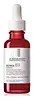 Key Ingredients
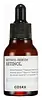
Benefits
Concerns
Ingredients Side-by-side
Water
Skin ConditioningGlycerin
Humectant


Cyclohexasiloxane
Emollient
Alcohol Denat.
Antimicrobial




Pentylene Glycol
Skin Conditioning
Niacinamide
Smoothing









Dimethicone
Emollient
Glycine Soja Oil
Emollient



PPG-6-Decyltetradeceth-30
EmulsifyingSodium Hyaluronate
Humectant
Retinol
Skin Conditioning
Adenosine
Skin Conditioning
Ammonium Polyacryloyldimethyl Taurate
Emulsion StabilisingCaprylyl Glycol
Emollient
Citric Acid
Buffering
Trisodium Ethylenediamine Disuccinate
Xanthan Gum
EmulsifyingPolysilicone-11
Retinyl Palmitate
Skin Conditioning
Tocopherol
Antioxidant

Phenoxyethanol
Preservative
Parfum
Masking

Water, Glycerin, Cyclohexasiloxane, Alcohol Denat., Pentylene Glycol, Niacinamide, Dimethicone, Glycine Soja Oil, PPG-6-Decyltetradeceth-30, Sodium Hyaluronate, Retinol, Adenosine, Ammonium Polyacryloyldimethyl Taurate, Caprylyl Glycol, Citric Acid, Trisodium Ethylenediamine Disuccinate, Xanthan Gum, Polysilicone-11, Retinyl Palmitate, Tocopherol, Phenoxyethanol, Parfum
Calendula Officinalis Extract
Skin Conditioning
Butylene Glycol
Humectant
Glycerin
Humectant
Helianthus Annuus Seed Oil
Emollient
1,2-Hexanediol
Skin Conditioning
Polysorbate 60
Emulsifying
Betaine
Humectant
Dimethicone
Emollient
Cetearyl Alcohol
Emollient
Retinyl Palmitate
Skin Conditioning
Cetearyl Olivate
Panthenol
Skin Conditioning
Arachis Hypogaea Oil
Skin Conditioning
Sorbitan Olivate
Emulsifying
Allantoin
Skin Conditioning
Tocopheryl Acetate
Antioxidant
Hydroxyethyl Acrylate/Sodium Acryloyldimethyl Taurate Copolymer
Emulsion StabilisingHydroxyethylcellulose
Emulsion StabilisingXanthan Gum
EmulsifyingJuniperus Mexicana Oil
Masking
Ethylhexylglycerin
Skin ConditioningAdenosine
Skin Conditioning
Tocopherol
Antioxidant
Calendula Officinalis Extract, Butylene Glycol, Glycerin, Helianthus Annuus Seed Oil, 1,2-Hexanediol, Polysorbate 60, Betaine, Dimethicone, Cetearyl Alcohol, Retinyl Palmitate, Cetearyl Olivate, Panthenol, Arachis Hypogaea Oil, Sorbitan Olivate, Allantoin, Tocopheryl Acetate, Hydroxyethyl Acrylate/Sodium Acryloyldimethyl Taurate Copolymer, Hydroxyethylcellulose, Xanthan Gum, Juniperus Mexicana Oil, Ethylhexylglycerin, Adenosine, Tocopherol
Reviews
Ingredients Explained
These ingredients are found in both products.
Ingredients higher up in an ingredient list are typically present in a larger amount.
Adenosine is in every living organism. It is one of four components in nucleic acids that helps store our DNA.
Adenosine has many benefits when used. These benefits include hydrating the skin, smoothing skin, and reducing wrinkles. Once applied, adenosine increases collagen production. It also helps with improving firmness and tissue repair.
Studies have found adenosine may also help with wound healing.
In skincare products, Adenosine is usually derived from yeast.
Learn more about AdenosineDimethicone is a type of synthetic silicone created from natural materials such as quartz. It is also known as polydimethylsiloxane.
What it does:
Dimethicone comes in different viscosities:
Depending on the viscosity, dimethicone has different properties.
Ingredients lists don't always show which type is used, so we recommend reaching out to the brand if you have questions about the viscosity.
This ingredient is unlikely to cause irritation because it does not get absorbed into skin. However, people with silicone allergies should be careful about using this ingredient.
Note: Dimethicone may contribute to pilling. This is because it is not oil or water soluble, so pilling may occur when layered with products. When mixed with heavy oils in a formula, the outcome is also quite greasy.
Learn more about DimethiconeGlycerin (or glycerol) is a compound naturally found in your skin. It's a powerhouse humectant that pulls water into the stratum corneum.
Topically, glycerin does several things at once:
Your skin makes glycerin on its own (mostly from sebaceous oil breakdown) and shuttles it to your outermost layer of skin, or your epidermis, via aquaporin-3.
Aquaporin-3 is a transporter that is essential for normal skin hydration, elasticity, and repair. Interestingly, mice lacking in AQP3 have dry and less elastic skin that can be fully corrected with glycerin.
This ingredient is non-irritating, plays well with almost every ingredient, and works across all skin types. Typical use is anywhere between 3-10% but can go up to 79% in some leave-on products.
Just know very high concentrations (>40%) can feel tacky in low humidity.
Glycerin is the name for this ingredient in American English. British English uses Glycerol/Glycerine.
Learn more about GlycerinRetinyl palmitate is a form of retinoid. Retinoids are the superstar class of anti-aging ingredients that include tretinoin and retinol.
This particular ingredient has had a bumpy year with its rise and fall in popularity.
First, Retinyl palmitate is created from palmitic acid and retinol. It is a retinol ester and considered one of the weaker forms of retinoid.
This is because all retinoids have to be converted to Tretinoin, AKA retinoic acid. Retinyl Palmitate is pretty far down the line and has to go through multiple conversions before its effects are seen.
Due to this long and ineffective conversion line, the benefits of Retinyl Palmitate are debated.
Studies show Retinyl Palmitate to help:
Dermatologists say this ingredient is ineffective because it isn't used in high enough concentrations in cosmetics.
This ingredient used to be found in sunscreens to boost the efficacy of sunscreen filters.
The downfall of Retinyl Palmitate was due to released reports about the ingredient being correlated to sun damage and skin tumors.
While there is a study showing this ingredient to cause DNA damage when exposed to UV-A, there is no concrete proof of it being linked to skin cancer. It is safe to use when used correctly.
All retinoids increase your skin's sensitivity to the sun in the first few months of usage. Be especially careful with reapplying sunscreen when using any form of retinoid.
Currently, this ingredient is still allowed in cosmetics all over the world. In Canada, cosmetics must have a warning label stating the product to contain Retinyl Palmitate
Fun fact: This ingredient is often added to low-fat milk to increase the levels of Vitamin A.
Learn more about Retinyl PalmitateTocopherol is a fat-soluble antioxidant known as Vitamin E.
You'll find this ingredient in the vast majority of skincare (for good reason). It works to neutralize free radicals, or unstable molecules generated by UV exposure, pollution, and other environmental stressors, before they can cause oxidative damage to your skin cells.
Topically applied tocopherol has been shown to protect against UV damage by ramping up the skin's own natural defense enzymes.
It also acts as a skin conditioning agent; some studies show that regular topical use can improve the skin's water-binding capacity over 2-4 weeks.
This ingredient is especially loved for being a team player. When combined with Vitamin C, the photoprotective effect of both ingredients roughly doubles and the combo also helps reduce UV-induced DNA damage.
This ingredient has some brightening potential but it's more of a prevention ingredient than spot-fader. Cell studies show it can slow down melanin production but it's worth noting that it's not the most powerful brightener out there.
In formulations, it also serves as a stabilizer that helps protect other oxidation-prone ingredients from degrading.
Concentrations usually range from 0.1-1% in most leave-on products.
Learn more about TocopherolXanthan gum is used as a stabilizer and thickener within cosmetic products. It helps give products a sticky, thick feeling - preventing them from being too runny.
On the technical side of things, xanthan gum is a polysaccharide - a combination consisting of multiple sugar molecules bonded together.
Xanthan gum is a pretty common and great ingredient. It is a natural, non-toxic, non-irritating ingredient that is also commonly used in food products.
Learn more about Xanthan Gum
