

What's inside
What's inside
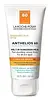 Key Ingredients
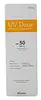
Benefits
Concerns
Ingredients Side-by-side
Butyl Methoxydibenzoylmethane 3%
UV Absorber
Homosalate 10%
Skin Conditioning
Ethylhexyl Salicylate 5%
UV Absorber
Octocrylene 7%
UV Absorber

Water
Skin ConditioningStyrene/Acrylates Copolymer
Dimethicone
Emollient

Polymethylsilsesquioxane
Butyloctyl Salicylate
Skin Conditioning
Glycerin
Humectant

Alcohol Denat.
Antimicrobial


Poly C10-30 Alkyl Acrylate
Emulsion StabilisingCaprylyl Methicone
Skin Conditioning
Trisiloxane
Skin Conditioning
Acrylates/Dimethicone Copolymer
Skin Conditioning
Diethylhexyl Syringylidenemalonate
Skin ProtectingPEG-100 Stearate
Surfactant
Glyceryl Stearate
Emollient
Phenoxyethanol
Preservative
Potassium Cetyl Phosphate
EmulsifyingPropylene Glycol
Humectant
Caprylyl Glycol
Emollient
PEG-8 Laurate
Emulsifying
Acrylates/C10-30 Alkyl Acrylate Crosspolymer
Emulsion StabilisingTriethanolamine
BufferingTocopherol
Antioxidant





Inulin Lauryl Carbamate
Emulsion StabilisingDisodium EDTA
P-Anisic Acid
Masking
Caprylic/Capric Triglyceride
Masking
Xanthan Gum
EmulsifyingCassia Alata Leaf Extract
AstringentMaltodextrin
Absorbent
Sodium Dodecylbenzenesulfonate
CleansingButyl Methoxydibenzoylmethane 3%, Homosalate 10%, Ethylhexyl Salicylate 5%, Octocrylene 7%, Water, Styrene/Acrylates Copolymer, Dimethicone, Polymethylsilsesquioxane, Butyloctyl Salicylate, Glycerin, Alcohol Denat., Poly C10-30 Alkyl Acrylate, Caprylyl Methicone, Trisiloxane, Acrylates/Dimethicone Copolymer, Diethylhexyl Syringylidenemalonate, PEG-100 Stearate, Glyceryl Stearate, Phenoxyethanol, Potassium Cetyl Phosphate, Propylene Glycol, Caprylyl Glycol, PEG-8 Laurate, Acrylates/C10-30 Alkyl Acrylate Crosspolymer, Triethanolamine, Tocopherol, Inulin Lauryl Carbamate, Disodium EDTA, P-Anisic Acid, Caprylic/Capric Triglyceride, Xanthan Gum, Cassia Alata Leaf Extract, Maltodextrin, Sodium Dodecylbenzenesulfonate
Ethylhexyl Methoxycinnamate
UV Absorber
Diethylhexyl Butamido Triazone
UV Absorber
Diethylamino Hydroxybenzoyl Hexyl Benzoate
UV Filter
Zinc Oxide
Cosmetic Colorant
Titanium Dioxide
Cosmetic Colorant
Bis-Ethylhexyloxyphenol Methoxyphenyl Triazine
Skin Conditioning
C12-15 Alkyl Benzoate
AntimicrobialDiethylhexyl Syringylidenemalonate
Skin ProtectingCaprylic/Capric Triglyceride
Masking
Caprylyl Methicone
Skin Conditioning
Cyclopentasiloxane
Emollient
Dimethicone Crosspolymer
Emulsion Stabilising
Parfum
Masking
Ethylhexyl Methoxycinnamate, Diethylhexyl Butamido Triazone, Diethylamino Hydroxybenzoyl Hexyl Benzoate, Zinc Oxide, Titanium Dioxide, Bis-Ethylhexyloxyphenol Methoxyphenyl Triazine, C12-15 Alkyl Benzoate, Diethylhexyl Syringylidenemalonate, Caprylic/Capric Triglyceride, Caprylyl Methicone, Cyclopentasiloxane, Dimethicone Crosspolymer, Parfum
Reviews
Ingredients Explained
These ingredients are found in both products.
Ingredients higher up in an ingredient list are typically present in a larger amount.
Caprylic/Capric Triglyceride (aka MCT Oil) is a lightweight emollient, solvent, and texture enhancer. It is considered a skin-softener by helping to prevent moisture loss.
Though it behaves like an oil, it is not technically one due to its chemical composition. One perk of this ingredient is that it is very stable, resistant to oxidation, and unlikely to go rancid.
In practice, that translates to a long shelf life and a consistently elegant skin feel.
While there is an assumption Caprylic Triglyceride can clog pores due to it being derived from coconut oil, there is no research supporting this. Just patch test if you have concerns.
Fractionated coconut oil and MCT Oil are both listed as Caprylic/Capric Triglyceride according to INCI. This is because INCI names are based on the ingredient’s final chemical composition and not its marketing name or source.
This ingredient is treated as the gold standard fungal acne safe oil. Even though it is coconut derived, the problematic lauric acid is stripped out.
This leaves just caprylic (C8) and capric (C10) acid. These chain lengths actually trend antifungal; a 2020 study found caprylic acid was enough to disrupt Malassezia furfur cell membrane, with a caprylic acid derivative damaging membrane structures at concentrations as low as 0.2%.
Learn more about Caprylic/Capric TriglycerideCaprylyl Methicone is a synthetic and lightweight silicone fluid. It gives products a silky, dry-touch finish without the heaviness of pure oils.
Though the EU CosIng Database lists this ingredient as a skin conditioner, it is also used for sensory reasons. It spreads easily, cuts greasiness, and reduces tackiness.
This ingredient is volatile which means it will mostly evaporate (but it evaporates slower than older cyclomethicones, like Cyclotetrasiloxane).
Typical concentration ranges from 1-30% depending on if it's being used to tweak the feel of a product or acting as the main emollient.
Learn more about Caprylyl MethiconeDiethylhexyl Syringylidenemalonate (DESM) is a photostabilizer, antioxidant, and SPF booster.
One of DESM's main roles is stabilizing UV filters, especially avobenzone. Avobenzone is notoriously unstable when exposed to sunlight. By enhancing the stability of these filters, DESM helps maintain the sunscreen's effectivess through wear. It also helps improve protection against long-wave UVA rays by increasing the wavelength of the formula.
Besides enhancing UVA protection, DESM can boost the SPF of high-SPF formulations by up to 5 units.
DESM also preserves the color integrity of cosmetic products and helps reduce the chance of yellowing of fading due to light exposure.
This ingredient is typically found in concentrations between 0.3% - 0.5%. There are currently no maximum usage limits by regulatory bodies.
Though this ingredient is a chemical UV filter, it can often be found in "100% mineral" sunscreens. This is due to regulatory loopholes.
Learn more about Diethylhexyl Syringylidenemalonate
