

What's inside
What's inside
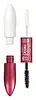 Key Ingredients
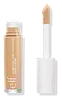
Benefits
Concerns
Ingredients Side-by-side
Water
Skin ConditioningParaffin
Skin Conditioning
Potassium Cetyl Phosphate
EmulsifyingAcrylates Copolymer
Cera Alba
Emollient





Copernicia Cerifera Cera
Emollient
Steareth-2
EmulsifyingCetyl Alcohol
Emollient

Phenoxyethanol
Preservative
Hydroxyethylcellulose
Emulsion StabilisingAcacia Senegal Gum
MaskingRayon
Panthenol
Skin Conditioning



Ethylenediamine/Stearyl Dimer Dilinoleate Copolymer
Skin Conditioning
Methylparaben
Preservative

Sodium Dehydroacetate
Preservative
Hydrogenated Jojoba Oil
Abrasive

Hydrogenated Palm Oil
Emollient
2-Oleamido-1,3-Octadecanediol
Skin ConditioningDisodium EDTA
ChelatingEthylparaben
Preservative
Simethicone
Emollient
Rosa Canina Fruit Oil
Emollient
Isopropylparaben
Preservative
Isobutylparaben
Antimicrobial
Butylparaben
Masking
Styrene/Acrylates/Ammonium Methacrylate Copolymer
Butylene Glycol
Humectant
Alcohol Denat.
Antimicrobial

Acrylamide/Sodium Acryloyldimethyltaurate Copolymer
Emulsion StabilisingIsohexadecane
EmollientSodium Laureth-12 Sulfate
Cleansing
Polysorbate 80
Emulsifying
Imidazolidinyl Urea
Preservative
CI 77891
Cosmetic ColorantCI 77491
Cosmetic ColorantCI 77499
Cosmetic ColorantCI 77007
Cosmetic ColorantMica
Cosmetic ColorantCI 75470
Cosmetic ColorantCI 77289
Cosmetic ColorantCI 77510
Cosmetic ColorantWater, Paraffin, Potassium Cetyl Phosphate, Acrylates Copolymer, Cera Alba, Copernicia Cerifera Cera, Steareth-2, Cetyl Alcohol, Phenoxyethanol, Hydroxyethylcellulose, Acacia Senegal Gum, Rayon, Panthenol, Ethylenediamine/Stearyl Dimer Dilinoleate Copolymer, Methylparaben, Sodium Dehydroacetate, Hydrogenated Jojoba Oil, Hydrogenated Palm Oil, 2-Oleamido-1,3-Octadecanediol, Disodium EDTA, Ethylparaben, Simethicone, Rosa Canina Fruit Oil, Isopropylparaben, Isobutylparaben, Butylparaben, Styrene/Acrylates/Ammonium Methacrylate Copolymer, Butylene Glycol, Alcohol Denat., Acrylamide/Sodium Acryloyldimethyltaurate Copolymer, Isohexadecane, Sodium Laureth-12 Sulfate, Polysorbate 80, Imidazolidinyl Urea, CI 77891, CI 77491, CI 77499, CI 77007, Mica, CI 75470, CI 77289, CI 77510
Water
Skin ConditioningCyclopentasiloxane
Emollient
Propylene Glycol
Humectant
Butylene Glycol Dicaprylate/Dicaprate
EmollientTrimethylsiloxysilicate
Emollient
Polyglyceryl-4 Diisostearate/Polyhydroxystearate/Sebacate
Emulsifying
Ethylhexyl Hydroxystearate
Emollient
Cetyl PEG/PPG-10/1 Dimethicone
Emulsifying
Propylene Glycol Dibenzoate
Skin ConditioningPEG-10 Dimethicone
Skin Conditioning
Disteardimonium Hectorite
StabilisingSodium Chloride
MaskingPhenoxyethanol
Preservative
Dimethicone
Emollient
Acrylates/Polytrimethylsiloxymethacrylate Copolymer
Skin ConditioningDimethicone/Vinyl Dimethicone Crosspolymer
Skin Conditioning
Perfluorooctyl Triethoxysilane
Trihydroxystearin
Skin Conditioning
Silica
Abrasive

Caprylyl Glycol
Emollient
Ethylhexylglycerin
Skin ConditioningDisodium EDTA
ChelatingSodium Hyaluronate
Humectant

Rosa Damascena Flower Water
Masking
CI 77891
Cosmetic ColorantIron Oxides
Water, Cyclopentasiloxane, Propylene Glycol, Butylene Glycol Dicaprylate/Dicaprate, Trimethylsiloxysilicate, Polyglyceryl-4 Diisostearate/Polyhydroxystearate/Sebacate, Ethylhexyl Hydroxystearate, Cetyl PEG/PPG-10/1 Dimethicone, Propylene Glycol Dibenzoate, PEG-10 Dimethicone, Disteardimonium Hectorite, Sodium Chloride, Phenoxyethanol, Dimethicone, Acrylates/Polytrimethylsiloxymethacrylate Copolymer, Dimethicone/Vinyl Dimethicone Crosspolymer, Perfluorooctyl Triethoxysilane, Trihydroxystearin, Silica, Caprylyl Glycol, Ethylhexylglycerin, Disodium EDTA, Sodium Hyaluronate, Rosa Damascena Flower Water, CI 77891, Iron Oxides
Reviews
Ingredients Explained
These ingredients are found in both products.
Ingredients higher up in an ingredient list are typically present in a larger amount.
Ci 77891 is a white pigment from Titanium dioxide. It is naturally found in minerals such as rutile and ilmenite.
It's main function is to add a white color to cosmetics. It can also be mixed with other colors to create different shades.
Ci 77891 is commonly found in sunscreens due to its ability to block UV rays.
Learn more about CI 77891Disodium EDTA is a chelating agent. It grabs onto and deactivates metal ions that sneak into your products from water, packaging, or air.
This ingredient mainly works behind the scenes and helps with:
On top of that, this ingredient can counteract the effects of hard water by binding to the minerals in it.
One thing worth knowing is that Disodium EDTA has been shown to be a mild penetration enhancer. It can help other ingredients absorb into skin more effectively which can be a double-edged sword (great for actives, but can also make the active too strong if you have sensitive skin).
Clinical patch testing showed no significant skin irritation at typical use concentrations and minimal dermal absorption.
You'll most likely see this ingredient near the end of an ingredient list. It's typically found in concentrations less than 1%.
Learn more about Disodium EDTAPhenoxyethanol is one of the most widely used preservatives in skincare (and for good reason!).
It has a large spectrum of antimicrobial activity and especially effective bacteria, yeast, and mold while only having a weak effect on your skin's natural microbiome.
On a cellular level, it disrupts the cell membranes of microbes by poking holes that make the cell leak. This shuts down the chemical reactions the microbe needs to make energy so it can no longer survive.
Another perk of this ingredient is that it stays functional across a wide pH range (3-10).
You'll often see it paired with boosters like Ethylhexylglycerin; one study showed that a 1:9 ratio of Ethylhexylglycerin to Phenoxyethanol damages bacterial membranes as effectively as doubling the Phenoxyethanol concentration on its own.
Typical use concentrations range from 0.3-1% depending on the formula, and this ingredient is capped at 1% int the EU.
Safety-wise, the fear mongering does not hold up to the evidence. The EU's Scientific Committee on Consumer Safety and FDA consider it safe as a preservative at up to 1%, including for children of all ages.
Adverse systemic effects only showed up in animal studies at exposures roughly 200x higher than what people get from cosmetics. And despite its very widespread use, this ingredient is a rare sensitizer and allergic reactions are uncommon.
Learn more about PhenoxyethanolWater. It's the most common cosmetic ingredient of all. You'll usually see it at the top of ingredient lists, meaning that it makes up the largest part of the product.
So why is it so popular? Water most often acts as a solvent - this means that it helps dissolve other ingredients into the formulation.
You'll also recognize water as that liquid we all need to stay alive. If you see this, drink a glass of water. Remember to stay hydrated!
Learn more about Water

