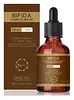
This barrier-repair serum is formulated around Bifida Ferment Filtrate and Galactomyces Ferment Filtrate to strengthen the skin barrier and soften the look of wrinkles.
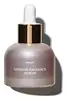
This brightening serum is formulated around Panax Ginseng Root Extract and Niacinamide to brighten dull-looking skin and soften the look of wrinkles.


What's inside
What's inside
 Key Ingredients
Benefits
Concerns
Ingredients Side-by-side
Bifida Ferment Filtrate
Skin Conditioning
Galactomyces Ferment Filtrate
Humectant






Butylene Glycol
Humectant
Glycerin
Humectant
Niacinamide
Smoothing





1,2-Hexanediol
Skin Conditioning
Sodium Hyaluronate
Humectant
Adenosine
Skin Conditioning
Panax Ginseng Root Extract
Emollient
Platycodon Grandiflorus Root Extract
Antioxidant
Angelica Gigas Root Extract
Skin ConditioningCirsium Flower/Leaf/Stem Extract
Skin ConditioningSophora Angustifolia Root Extract
Skin ConditioningHouttuynia Cordata Extract
Skin Conditioning
Lonicera Japonica Flower Extract
Skin ConditioningArtemisia Capillaris Leaf Extract
Skin ConditioningPaeonia Suffruticosa Bark Extract
Skin ConditioningTaraxacum Officinale Rhizome/Root Extract
Skin ConditioningCastanea Crenata Shell Extract
Skin ConditioningAcanthopanax Sessiliflorus Bark Extract
Skin ConditioningHydrolyzed Collagen
Emollient
Copper Tripeptide-1
Skin Conditioning
Camellia Japonica Flower Extract
EmollientCitrus Unshiu Peel Extract
MaskingArtemisia Vulgaris Extract
Skin Conditioning
Sasa Quelpaertensis Extract
Skin ConditioningCamellia Sinensis Leaf Extract
Antimicrobial
Myrciaria Dubia Fruit Extract
Skin ConditioningBeta-Glucan
Skin Conditioning
Hamamelis Virginiana Extract
Antiseborrhoeic


Ammonium Acryloyldimethyltaurate/Vp Copolymer
Carbomer
Emulsion StabilisingArginine
Masking
Bifida Ferment Filtrate, Galactomyces Ferment Filtrate, Butylene Glycol, Glycerin, Niacinamide, 1,2-Hexanediol, Sodium Hyaluronate, Adenosine, Panax Ginseng Root Extract, Platycodon Grandiflorus Root Extract, Angelica Gigas Root Extract, Cirsium Flower/Leaf/Stem Extract, Sophora Angustifolia Root Extract, Houttuynia Cordata Extract, Lonicera Japonica Flower Extract, Artemisia Capillaris Leaf Extract, Paeonia Suffruticosa Bark Extract, Taraxacum Officinale Rhizome/Root Extract, Castanea Crenata Shell Extract, Acanthopanax Sessiliflorus Bark Extract, Hydrolyzed Collagen, Copper Tripeptide-1, Camellia Japonica Flower Extract, Citrus Unshiu Peel Extract, Artemisia Vulgaris Extract, Sasa Quelpaertensis Extract, Camellia Sinensis Leaf Extract, Myrciaria Dubia Fruit Extract, Beta-Glucan, Hamamelis Virginiana Extract, Ammonium Acryloyldimethyltaurate/Vp Copolymer, Carbomer, Arginine
Panax Ginseng Root Extract
Emollient
Glycerin
Humectant
Water
Skin ConditioningButylene Glycol
Humectant
Niacinamide
Smoothing
Hamamelis Virginiana Extract
Antiseborrhoeic
Polyglutamic Acid
Skin Conditioning
Dipeptide Diaminobutyroyl Benzylamide Diacetate
Skin Conditioning
Glycyrrhiza Glabra Root Extract
Bleaching
Camellia Sinensis Leaf Extract
Antimicrobial
Rosmarinus Officinalis Leaf Extract
AntimicrobialCentella Asiatica Extract
Cleansing
Chamomilla Recutita Flower Extract
Masking
Scutellaria Baicalensis Root Extract
Astringent
Polygonum Cuspidatum Root Extract
Antioxidant
Sodium Hyaluronate
Humectant
Beta-Glucan
Skin Conditioning
Sh-Oligopeptide-1
Skin Conditioning
Sh-Polypeptide-1
Skin Conditioning
Sh-Oligopeptide-2
Skin Conditioning
Panthenol
Skin Conditioning
Carbomer
Emulsion StabilisingArginine
Masking
Polyglyceryl-10 Laurate
Skin Conditioning
Polyglyceryl-10 Myristate
Skin Conditioning
1,2-Hexanediol
Skin Conditioning
Caprylyl Glycol
Emollient
Illicium Verum Fruit Extract
Perfuming
Adenosine
Skin Conditioning
Panax Ginseng Root Extract, Glycerin, Water, Butylene Glycol, Niacinamide, Hamamelis Virginiana Extract, Polyglutamic Acid, Dipeptide Diaminobutyroyl Benzylamide Diacetate, Glycyrrhiza Glabra Root Extract, Camellia Sinensis Leaf Extract, Rosmarinus Officinalis Leaf Extract, Centella Asiatica Extract, Chamomilla Recutita Flower Extract, Scutellaria Baicalensis Root Extract, Polygonum Cuspidatum Root Extract, Sodium Hyaluronate, Beta-Glucan, Sh-Oligopeptide-1, Sh-Polypeptide-1, Sh-Oligopeptide-2, Panthenol, Carbomer, Arginine, Polyglyceryl-10 Laurate, Polyglyceryl-10 Myristate, 1,2-Hexanediol, Caprylyl Glycol, Illicium Verum Fruit Extract, Adenosine
Ingredients Explained
These ingredients are found in both products.
Ingredients higher up in an ingredient list are typically present in a larger amount.
1,2-Hexanediol is a synthetic liquid and another multi-functional powerhouse.
It is a:
- Humectant, drawing moisture into the skin
- Emollient, helping to soften skin
- Solvent, dispersing and stabilizing formulas
- Preservative booster, enhancing the antimicrobial activity of other preservatives
Adenosine is a purine nucleoside that your body already makes in every cell. In skincare, it acts mainly as a skin conditioning and anti-aging agent.
The way it works is fairly well mapped out:
Your skin has cells called fibroblasts that build collagen (the stuff that keeps skin firm and smooth). Adenosine basically flips a switch on these cells that tells them to get to work making more collagen and other proteins. These cells slow down on their own as skin ages, so Adenosine helps give them a little nudge to keep going.
The clinical backing is pretty solid too.
A blind, randomized, placebo-controlled trial of 126 women aged 45-65 tested a 0.1% cream twice daily and found real improvements in crow's feet and frown lines using a precise 3D skin-mapping technique; these changes showed up by week 3 and held at 2 months.
A later study using Adenosine-loaded dissolving microneedle patches reported gains in wrinkle depth, dermal density, elasticity, and hydration.
On concentrations, South Korea's Ministry of Food and Drug Safety has set 0.04% as the approved functional anti-wrinkle level. You'll typically see this ingredient used somewhere in the 0.04-0.1% range since it works at low doses.
This ingredient has been found safe for cosmetics with the data showing no irritation or sensitization.
Overall, this is a great ingredient for any anti-aging routine and has no photosensitizing effect, so it suits both AM and PM use.
Learn more about AdenosineArginine is a semi-essential amino acid. This just means our bodies can product a bit on its own, but sometimes needs a little boost from food sources.
It is a part of your skin's natural moisturizing factor (NMF), or the water-loving molecules in your outermost layer of skin (stratum corneum) that keeps everything hydrated and happy.
Here's an interesting thing about Arginine: your skin converts it into urea through the Krebs-Henseleit urea cycle. Urea is one of the most effective humectants your skin naturally produces.
A clinical study showed applying 2.5% arginine hydrochloride to atopic dermatitis skin showed significant urea levels in the stratum corneum and improved moisture in just four weeks.
Arginine is also a precursor to nitric oxide; nitric oxide improves microcirculation and supports wound healing and collagen synthesis.
One study found that an amino acid complex containing Arginine reduced skin irritation, improved hydration, and accelerated skin repair in clinical / in-vivo studies.
Arginine itself is an amino acid and not a fatty acid, oil, or ester. On its own, it's not a direct food source for Malassezia, or the yeast that causes fungal acne.
Learn more about ArginineBeta-Glucan is a soluble polysaccharide (a chain of glucose sugars) sourced from the cells walls of oats, baker's yeast, mushrooms, and seaweed.
It's a rare ingredient that pulls double-duty as a heavy-duty hydrator and skin-soothing repair agent.
On the surface, it acts as a humectant that holds water in place and reduces moisture loss for a plumper, smoother feel, while its anti-inflammatory and antioxidant properties make it a great pick for calming redness or sensitive skin
The more interesting story is underneath:
Despite its large molecular size, oat beta-glucan has been shown to penetrate the epidermis and reach the dermis by slipping between skin cells. Here, it interacts with fibroblasts and macrophages to nudge collagen synthesis and support wound repair.
A small 2005 split-face clinical study of 27 subjects found topical beta-glucan produced measurable reductions in wrinkle depth, height, and roughness after 8 weeks of use.
It is worth noting the trial was small and the penetration testing used frozen, irradiated skin so the anti-aging data is encouraging rather than definitive.
This ingredient gets along with pretty much everything and is typically used around 0.1-1%.
Fungal acne: This ingredient is not a food source for the Malassezia yeast because it is a glucose polysaccharide with no fatty acid or ester component.
Learn more about Beta-GlucanButylene Glycol (or BG) is used within cosmetic products for a few different reasons:
Overall, Butylene Glycol is a safe and well-rounded ingredient that works well with other ingredients.
Though this ingredient works well with most skin types, some people with sensitive skin may experience a reaction such as allergic rashes, closed comedones, or itchiness.
Learn more about Butylene GlycolCamellia Sinensis Leaf Extract (tea extract) is one of the most well-researched plant extracts in skincare with an impressive resume.
Black tea, green tea, and oolong tea are all harvested from the Camellia Sinensis plant.
Studies show green tea extract and its catechins (like epigallocatechin gallate (EGCG)) help your skin cells product energy more efficiently and reducing the number of free-radicals that can damage your skin from the inside.
In lab-grown skin models, this translated to younger, healthier, and stronger skin.
There's also good sun protection data; researchers saw less DNA damage and redness on human skin when green tea was applied before UVB exposure. And the more they applied, the better the protection.
Needless to say, this ingredient shouldn't replace your sunscreen. But it is a great supportive ingredient that you can already find in many sunscreens and antioxidant serums.
A 2009 study found a 2% green tea lotion was effective for mild-to-moderate acne thanks to its anti-inflammatory and mild antimicrobial activity.
The quality of the extract matters a lot here:
Good extracts contain 50-90% catechins while lower quality ones are mostly there for marketing. We recommend reaching out to the brand if you have questions about the quality or source of their ingredients.
Human Repeated Insult Patch Testing showed no irritation or sensitization at use concentrations (0.86% in leave-on products and up to 30% as leaf water).
Learn more about Camellia Sinensis Leaf ExtractCarbomer is a synthetic thickening and gelling agent. It's basically the ingredient that gives a lot of serums, gels, creams, and sunscreens their smooth, non-sticky texture.
Although legally permitted at very high levels, carbomers are normally used at concentrations below 1%.
It also needs to be neutralized to actually thicken, and because it is a large molecule, it doesn't really penetrate the skin barrier.
Allergy-wise, the risk is very low. Clinical studies show carbomers have low potential for skin irritation/sensitization even at concentrations up to 100%.
A 2024 UK study patch-tested 1,302 patients and found true allergy to the parent group of carbomer to be rare with no confirmed relevant reactions.
Learn more about CarbomerGlycerin (or glycerol) is a compound naturally found in your skin. It's a powerhouse humectant that pulls water into the stratum corneum.
Topically, glycerin does several things at once:
Your skin makes glycerin on its own (mostly from sebaceous oil breakdown) and shuttles it to your outermost layer of skin, or your epidermis, via aquaporin-3.
Aquaporin-3 is a transporter that is essential for normal skin hydration, elasticity, and repair. Interestingly, mice lacking in AQP3 have dry and less elastic skin that can be fully corrected with glycerin.
This ingredient is non-irritating, plays well with almost every ingredient, and works across all skin types. Typical use is anywhere between 3-10% but can go up to 79% in some leave-on products.
Just know very high concentrations (>40%) can feel tacky in low humidity.
Glycerin is the name for this ingredient in American English. British English uses Glycerol/Glycerine.
Learn more about GlycerinHamamelis Virginiana Extract comes from the witch hazel plant.
Unless it is specified to be non-alcohol, many types of witch hazel ingredients are distilled in denatured alcohol.
Witch Hazel has astringent, anti-inflammatory, antioxidant, and antibacterial properties.
The tannin content of witch hazel constrict the appearance of pores by drying out proteins. Witch hazel water gets anti-inflammatory and antibacterial properties from its catechin and gallic acid content.
However, witch hazel may be skin-sensitizing due to the tannin and fragrance compounds.
North American Indigenous groups have used witch hazel to help treat inflammation for centuries.
Learn more about Hamamelis Virginiana ExtractNiacinamide is a multitasking form of vitamin B3 that strengthens the skin barrier, reduces pores and dark spots, regulates oil, and improves signs of aging.
And the best part? It's gentle and well-tolerated by most skin types, including sensitive and reactive skin.
You might have heard of "niacin flush", or the reddening of skin that causes itchiness. Niacinamide has not been found to cause this.
In very rare cases, some individuals may not be able to tolerate niacinamide at all or experience an allergic reaction to it.
If you are experiencing flaking, irritation, and dryness with this ingredient, be sure to double check all your products as this ingredient can be found in all categories of skincare.
When incorporating niacinamide into your routine, look out for concentration amounts. Typically, 5% niacinamide provides benefits such as fading dark spots. However, if you have sensitive skin, it is better to begin with a smaller concentration.
When you apply niacinamide to your skin, your body converts it into nicotinamide adenine dinucleotide (NAD). NAD is an essential coenzyme that is already found in your cells as "fuel" and powers countless biological processes.
In your skin, NAD helps repair cell damage, produce new healthy cells, support collagen production, strengthen the skin barrier, and fight environmental stressors (like UV and pollution).
Our natural NAD levels start to decline with age, leading to slower skin repair, visible aging, and a weaker skin barrier. By providing your skin niacinamide, you're recharging your skin's NAD levels. This leads to stronger, healthier, and younger looking skin.
Another name for vitamin B3 is nicotinamide. This vitamin is water-soluble and our bodies don't store it. We obtain Vitamin B3 from either food or skincare. Meat, fish, wheat, yeast, and leafy greens contain vitamin B3.
The type of niacinamide used in skincare is synthetically created.
Learn more about NiacinamideGinseng root is a well-loved ingredient in Asian skincare for good reason. It hydrates the skin, soothes irritation, and helps even out skin tone.
In traditional East Asian medicine, ginseng has been used for centuries both as food and as a healing remedy, and modern research continues to confirm its skin benefits.
One of the standout features of ginseng is its ability to improve blood circulation and oxygen delivery to the skin, bringing a fresh supply of nutrients to support overall skin health. It also has antioxidant and anti-inflammatory properties. This helps to protect your skin against damage from UV exposure, pollution, and daily stress.
Additionally, studies suggest that ginseng may help reduce hyperpigmentation by inhibiting tyrosinase, the enzyme involved in melanin production.
There are different types of ginseng used in skincare, and while they all share core benefits, their potency can vary.
Most products use fresh or white ginseng because it’s more affordable. However, red ginseng, produced by steaming the root, contains higher levels of ginsenosides, which are compounds with proven anti-aging effects. These ginsenosides help reduce the appearance of wrinkles and improve skin elasticity.
Note: All forms of ginseng are listed simply as “Panax ginseng” in ingredient lists. We recommend reaching out to the brand if you have questions about which type of ginseng is used in their ingredients.
For general antioxidant benefits, any ginseng extract will do, but for wrinkle care or firmer skin, red or fermented ginseng is often more effective.
In short, ginseng is a powerhouse ingredient that supports hydration, radiance, and resilience.
Learn more about Panax Ginseng Root ExtractSodium Hyaluronate is the salt form of hyaluronic acid. It is a long sugar chain that is naturally found in your skin, joints, and connective tissue that maintains hydration and elasticity.
In skincare, it works as a humectant. It pulls water from the environment and deeper layers of skin and binds it to the surface.
Interestingly, the size of the molecule affects its behavior:
Some clinical evidence links low molecular weight versions to improved wrinkle depth, elasticity, anti-inflammatory effects, and barrier repair.
Many serums use a blend of both weights so you can get surface hydration plus longer-lasting and deeper effects.
You'll typically see concentrations between 0.1-2% for this ingredient.
Learn more about Sodium Hyaluronate

