

What's inside
What's inside
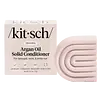 Benefits
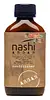
Concerns
Ingredients Side-by-side
Cetearyl Alcohol
Emollient






Cocos Nucifera Oil
Masking


Behentrimonium Methosulfate
SurfactantLauryl Laurate
Skin Conditioning
Helianthus Annuus Seed Oil
Emollient
Parfum
Masking

Argania Spinosa Kernel Oil
Emollient



Hydrogenated Ethylhexyl Olivate
EmollientBrassica Campestris/Aleurites Fordi Oil Copolymer
Skin Conditioning
Guar Hydroxypropyltrimonium Chloride
Skin ConditioningHydrolyzed Moringa Oleifera Seed Extract
Skin ConditioningHydrogenated Olive Oil
Skin Conditioning
Alpha-Isomethyl Ionone
Perfuming
Hydroxycitronellal
Perfuming
Tetramethyl Acetyloctahydronaphthalenes
Masking
Iron Oxides
Cetearyl Alcohol, Cocos Nucifera Oil, Behentrimonium Methosulfate, Lauryl Laurate, Helianthus Annuus Seed Oil, Parfum, Argania Spinosa Kernel Oil, Hydrogenated Ethylhexyl Olivate, Brassica Campestris/Aleurites Fordi Oil Copolymer, Guar Hydroxypropyltrimonium Chloride, Hydrolyzed Moringa Oleifera Seed Extract, Hydrogenated Olive Oil, Alpha-Isomethyl Ionone, Hydroxycitronellal, Tetramethyl Acetyloctahydronaphthalenes, Iron Oxides
Water
Skin ConditioningCetearyl Alcohol
Emollient
Behentrimonium Methosulfate
SurfactantDimethicone
Emollient

Cetrimonium Chloride
Antimicrobial
Propylene Glycol
Humectant
Argania Spinosa Kernel Oil
Emollient
Linum Usitatissimum Seed Oil
Perfuming
Panthenol
Skin Conditioning
Hydrolyzed Keratin
Humectant
Glycerin
Humectant
Cetyl Alcohol
Emollient
Parfum
Masking
Butylene Glycol
Humectant
Polyquaternium-37
Laureth-3
EmulsifyingLaureth-23
Cleansing
Cetyl Ethylhexanoate
EmollientPEG-8
HumectantPEG-8/Smdi Copolymer
Palmitoyl Myristyl Serinate
Skin ConditioningHydrogenated Polydecene
EmollientSodium Polyacrylate
Absorbent
Trideceth-6
EmulsifyingWheat Amino Acids
Skin ConditioningCitric Acid
Buffering

Disodium EDTA
ChelatingHydroxycitronellal
Perfuming
Limonene
Perfuming
Linalool
Perfuming
Water, Cetearyl Alcohol, Behentrimonium Methosulfate, Dimethicone, Cetrimonium Chloride, Propylene Glycol, Argania Spinosa Kernel Oil, Linum Usitatissimum Seed Oil, Panthenol, Hydrolyzed Keratin, Glycerin, Cetyl Alcohol, Parfum, Butylene Glycol, Polyquaternium-37, Laureth-3, Laureth-23, Cetyl Ethylhexanoate, PEG-8, PEG-8/Smdi Copolymer, Palmitoyl Myristyl Serinate, Hydrogenated Polydecene, Sodium Polyacrylate, Trideceth-6, Wheat Amino Acids, Citric Acid, Disodium EDTA, Hydroxycitronellal, Limonene, Linalool
Ingredients Explained
These ingredients are found in both products.
Ingredients higher up in an ingredient list are typically present in a larger amount.
You may know this ingredient as argan oil. It has emollient and skin conditioning properties that help soften skin and reinforce the lipid barrier.
The fatty acid profile of argan oil is roughly 45-55% oleic acid, 28-36% linoleic acid, 10-15% palmitic acid, and 5-7% stearic acid. It also contains vitamin E, sterols, squalene, and polyphenols like ferulic acid.
Two clinical studies in postmenopausal women found that applying argan oil for 60 days significantly improved skin elasticity and moisturization (reduced transepidermal water loss and increased epidermal water content).
Since it is high in oleic and linoleic acid, this ingredient may not be fungal acne safe. Both of these fall in the C11-C24 range that Malassezia yeast can metabolize.
Learn more about Argania Spinosa Kernel OilBehentrimonium Methosulfate is a gentle, positively-charged conditioning agent made from rapeseed oil.
It's the opposite of a harsh cleansing sulfate despite having "sulfate" in its name; its a detangler/softener in haircare and helps keep oil/water blended into a creamy texture as an emulsifier.
Concentration-wise, safety review reports the wider trimonium family shows up between 0.0005% to 10% in rinse-off products and 0.001% to 4% in leave-on products.
This ingredient is commonly used at ~1–5% when acting as the emulsifier.
Allergies to this ingredient are rare; the CIR panel noted the literature lacks clinical reports of irritation or sensitization and patch tests on finished products containing it came back clean.
Learn more about Behentrimonium MethosulfateCetearyl alcohol is a waxy mixture of two fatty alcohols: cetyl alcohol and stearyl alcohol. It is an emollient and emulsifier.
Despite having "alcohol" in its name, it has nothing to do with drying solvent alcohols; the FDA also allows "alcohol-free" products to contain fatty alcohols like this ingredient.
It plays several roles in a formula:
Typical use levels for this ingredient sit around 1-10% and the Cosmetic Ingredient Review Expert Panel has affirmed safety at concentrations up to 25% in leave-on products.
Multiple assessments have found it to be non-irritating and non-sensitizing to most people.
However, there have been some cases of allergic contact dermatitis in patients with chronically compromised skin barriers.
Cetearyl alcohol has a comedogenic rating of 2 and irritancy rating of 1. Both of these numbers come from the 1989 study that used rabbit ears; a "2" means mildly comedogenic and a "1" means low irritancy.
Here's the catch: rabbit skin is more sensitive than human skin and throws a lot of false positives. A 1996 reappraisal found that ingredients rated 1-2 in the rabbit ear tests are generally safe for humans.
Remember comedogenic ratings are unable to assess the entire formula of a product or how it will react on your skin. Just be sure to patch test if you are unsure about certain ingredients.
This ingredient is not fungal acne safe. Cetearyl alcohol is a fatty alcohol with chain lengths that fall within the range that Malassezia can metabolize.
A 2019 study has also observed Malassezia growth in the presence of this ingredient, confirming it to be not-fungal acne safe.
Learn more about Cetearyl AlcoholHydroxycitronellal is a fragrance created from citronellal. The smell of hydroxycitronellal is often described as "citrus-like" or "melon-like".
Hydroxycitronellal is a known EU allergen and may cause irritation when applied to the skin.
Parfum is a catch-all term for an ingredient or more that is used to give a scent to products.
Also called "fragrance", this ingredient can be a blend of hundreds of chemicals or plant oils. This means every product with "fragrance" or "parfum" in the ingredients list is a different mixture.
For instance, Habanolide is a proprietary trade name for a specific aroma chemical. When used as a fragrance ingredient in cosmetics, most aroma chemicals fall under the broad labeling category of “FRAGRANCE” or “PARFUM” according to EU and US regulations.
The term 'parfum' or 'fragrance' is not regulated in many countries. In many cases, it is up to the brand to define this term.
For instance, many brands choose to label themselves as "fragrance-free" because they are not using synthetic fragrances. However, their products may still contain ingredients such as essential oils that are considered a fragrance by INCI standards.
One example is Calendula flower extract. Calendula is an essential oil that still imparts a scent or 'fragrance'.
Depending on the blend, the ingredients in the mixture can cause allergies and sensitivities on the skin. Some ingredients that are known EU allergens include linalool and citronellol.
Parfum can also be used to mask or cover an unpleasant scent.
The bottom line is: not all fragrances/parfum/ingredients are created equally. If you are worried about fragrances, we recommend taking a closer look at an ingredient. And of course, we always recommend speaking with a professional.
Learn more about Parfum

