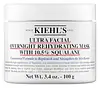
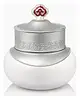
Kiehl's Ultra Facial Overnight Hydrating Face Mask With 10.5% Squalane Versus The History of Whoo Gonjinhyang Ultimate Brightening Corrector
This hydrating overnight mask is formulated around Squalane and Pseudoalteromonas Ferment Extract to hydrate skin and strengthen the skin barrier.
This calming treatment is formulated around Squalane and Chrysanthemum Indicum Flower Extract to calm redness.


What's inside
What's inside
 Key Ingredients
Benefits
Concerns
Ingredients Side-by-side
Water
Skin ConditioningLauryl Laurate
Skin Conditioning

Squalane
Emollient


Isononyl Isononanoate
EmollientBehenyl Behenate
EmollientSorbitan Olivate
Emulsifying
Sorbitan Stearate
Emulsifying
Polyhydroxystearic Acid
Emulsifying
Candelilla Cera
Emollient
Euphorbia Cerifera Cera
Astringent
Propanediol
Solvent
Phenoxyethanol
Preservative
Sodium Polyacrylate
Absorbent
Chlorphenesin
Antimicrobial
Ethylhexylglycerin
Skin ConditioningPseudoalteromonas Ferment Extract
Humectant
Salicylic Acid
Masking








Sodium Hydroxide
BufferingWater, Lauryl Laurate, Squalane, Isononyl Isononanoate, Behenyl Behenate, Sorbitan Olivate, Sorbitan Stearate, Polyhydroxystearic Acid, Candelilla Cera, Euphorbia Cerifera Cera, Propanediol, Phenoxyethanol, Sodium Polyacrylate, Chlorphenesin, Ethylhexylglycerin, Pseudoalteromonas Ferment Extract, Salicylic Acid, Sodium Hydroxide
Dimethicone/Vinyl Dimethicone Crosspolymer
Skin Conditioning
Squalane
Emollient
Paraffin
Skin Conditioning
Chrysanthemum Indicum Flower Extract
Skin Conditioning
Water
Skin ConditioningMyristica Fragrans Extract
MaskingTalc
Abrasive
Bisabolol
Antioxidant


CI 77891
Cosmetic ColorantC12-14 Pareth-12
Emulsifying1,2-Hexanediol
Skin Conditioning
Parfum
Masking

Stearyl Glycyrrhetinate
Skin ConditioningSilica
Abrasive
CI 77492
Cosmetic ColorantTriethoxycaprylylsilane
Butylene Glycol
Humectant
Panax Ginseng Root Extract
Emollient
Pearl Extract
Antioxidant
Dioscorea Japonica Root Extract
Skin Conditioning
Dimocarpus Longan Fruit Extract
Skin ConditioningLitchi Chinensis Fruit Extract
Skin ConditioningZiziphus Jujuba Fruit Extract
Skin ConditioningPolygonatum Officinale Rhizome/Root Extract
Skin ConditioningChrysanthemum Sinense Flower Extract
CleansingLilium Candidum Flower Extract
Skin ConditioningChaenomeles Sinensis Fruit Extract
Antioxidant
Velvet Extract
HumectantThymus Vulgaris Extract
Perfuming
Cornus Officinalis Fruit Extract
Skin ConditioningAngelica Acutiloba Root Extract
Skin ConditioningCinnamomum Cassia Bark Extract
Masking
Diospyros Kaki Leaf Extract
Skin Protecting
Foeniculum Vulgare Fruit Extract
EmollientNardostachys Chinensis Root Extract
Skin ConditioningCamellia Sinensis Leaf Extract
Antimicrobial
Chrysanthellum Indicum Extract
Skin Conditioning
Citrus Nobilis Peel Extract
Masking
Eugenia Caryophyllus Bud Extract
Perfuming
Silkworm Extract
Skin ConditioningSantalum Album Wood Extract
Perfuming
Artemisia Princeps Leaf Extract
Skin ConditioningZingiber Officinale Root Extract
Masking
Poria Cocos Extract
Skin ConditioningAgastache Rugosa Extract
Antimicrobial
Ginkgo Biloba Nut Extract
Skin ConditioningMorus Alba Bark Extract
Skin ConditioningPaeonia Albiflora Root Extract
Skin ConditioningAtractylodes Japonica Rhizome Extract
Skin ConditioningAmpelopsis Japonica Root Extract
Skin ConditioningTribulus Terrestris Fruit Extract
Skin ConditioningDimethicone/Vinyl Dimethicone Crosspolymer, Squalane, Paraffin, Chrysanthemum Indicum Flower Extract, Water, Myristica Fragrans Extract, Talc, Bisabolol, CI 77891, C12-14 Pareth-12, 1,2-Hexanediol, Parfum, Stearyl Glycyrrhetinate, Silica, CI 77492, Triethoxycaprylylsilane, Butylene Glycol, Panax Ginseng Root Extract, Pearl Extract, Dioscorea Japonica Root Extract, Dimocarpus Longan Fruit Extract, Litchi Chinensis Fruit Extract, Ziziphus Jujuba Fruit Extract, Polygonatum Officinale Rhizome/Root Extract, Chrysanthemum Sinense Flower Extract, Lilium Candidum Flower Extract, Chaenomeles Sinensis Fruit Extract, Velvet Extract, Thymus Vulgaris Extract, Cornus Officinalis Fruit Extract, Angelica Acutiloba Root Extract, Cinnamomum Cassia Bark Extract, Diospyros Kaki Leaf Extract, Foeniculum Vulgare Fruit Extract, Nardostachys Chinensis Root Extract, Camellia Sinensis Leaf Extract, Chrysanthellum Indicum Extract, Citrus Nobilis Peel Extract, Eugenia Caryophyllus Bud Extract, Silkworm Extract, Santalum Album Wood Extract, Artemisia Princeps Leaf Extract, Zingiber Officinale Root Extract, Poria Cocos Extract, Agastache Rugosa Extract, Ginkgo Biloba Nut Extract, Morus Alba Bark Extract, Paeonia Albiflora Root Extract, Atractylodes Japonica Rhizome Extract, Ampelopsis Japonica Root Extract, Tribulus Terrestris Fruit Extract
Reviews
Ingredients Explained
These ingredients are found in both products.
Ingredients higher up in an ingredient list are typically present in a larger amount.
Squalane is the hydrogenated and shelf-stable form of squalene (a lipid that naturally occurs in human sebum).
It is an emollient and skin conditioning agent that is able to integrate seamlessly into the skin's lipid barrier without clogging pores.
This is due to how structurally similar it is to what your skin already produces.
Though it is mostly an emollient that helps soften and hydrate skin, it also has some humectant and occlusive action. Humectants help the skin retain moisture while occlusives seal it in, making squalane a triple-threat moisturizer.
Research shows it has antioxidant capabilities that help protect against stressors like UV exposure, specifically UVA induced oxidative stress. This study also found that it supports collagen biosynthesis in human dermal fibroblasts.
No clinical study has reported significant adverse effects and irritation reactions are very rare from this ingredient (even at 100% concentration).
Overall, it's a fantastic ingredient for hydration and is suitable for all skin types.
This depends on the source. Squalane can be derived from both plants and animals. Most squalane used in skincare comes from plants.
Please note: the source of squalane is only known if disclosed by the brand. We recommend reaching out to the brand if you have any questions about their squalane.
Read more about squalene with an "e".
Though squalane is often called an oil, it’s technically not one. It is a hydrocarbon, meaning it is only made of carbon and hydrogen. True oils are triglycerides and made of fatty acids and glycerol.
The term “oil-free” isn’t regulated so companies can define it however they want. Some exclude all oils, while others just avoid mineral oil or comedogenic oils.
Squalane has a comedogenic rating of 1 from the original 1972 study that tested raw ingredients under occlusion on rabbit ears. This system is not standardized or peer-reviewed, and using the raw ingredients is very different from how diluted cosmetic formulations are used on human skin.
A comedogenic rating of 1 means it is "unlikely to clog pores" according to the original rating system.
The overall formula of a product matters more than the individual ingredients on whether or not it will cause clogged pores.
Learn more about SqualaneWater. It's the most common cosmetic ingredient of all. You'll usually see it at the top of ingredient lists, meaning that it makes up the largest part of the product.
So why is it so popular? Water most often acts as a solvent - this means that it helps dissolve other ingredients into the formulation.
You'll also recognize water as that liquid we all need to stay alive. If you see this, drink a glass of water. Remember to stay hydrated!
Learn more about Water

