

What's inside
What's inside
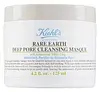 Key Ingredients
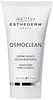
Benefits
Concerns
Ingredients Side-by-side
Water
Skin ConditioningKaolin
Abrasive



Bentonite
Absorbent
Propanediol
Solvent

Glycerin
Humectant
CI 77891
Cosmetic ColorantCaprylic/Capric Triglyceride
Masking
Cetearyl Alcohol
Emollient



Zea Mays Starch
Absorbent
Phenoxyethanol
Preservative
Ceteareth-20
CleansingCaprylyl Glycol
Emollient
Xanthan Gum
EmulsifyingEthylhexylglycerin
Skin ConditioningTocopherol
Antioxidant





Lecithin
Emollient
Aloe Barbadensis Leaf Extract
Emollient
Avena Sativa Kernel Flour
Abrasive
Allantoin
Skin Conditioning
Water
Skin ConditioningPropylene Glycol Stearate Se
Emulsifying
Disodium Laureth Sulfosuccinate
CleansingButylene Glycol
Humectant
Cetyl Alcohol
Emollient
Laureth-2
CleansingC12-14 Pareth-3
EmulsifyingSodium Lauroyl Oat Amino Acids
CleansingParfum
Masking



Fructooligosaccharides
Humectant
Chlorphenesin
Antimicrobial
Disodium EDTA
Phenoxyethanol
Preservative
Glyceryl Oleate
Emollient
Sodium Benzoate
Masking
Potassium Sorbate
Preservative
Propylene Glycol
Humectant
Glycerin
Humectant
Laureth-3
EmulsifyingLauryl Glucoside
CleansingPeumus Boldus Leaf Extract
MaskingPentylene Glycol
Skin Conditioning
Carnosine
Skin Conditioning
1,2-Hexanediol
Skin Conditioning
Caprylyl Glycol
Emollient
Algae Extract
EmollientDisodium Adenosine Triphosphate
Skin ConditioningEthylhexylglycerin
Skin ConditioningXanthan Gum
EmulsifyingSodium Hydroxide
BufferingLecithin
Emollient
Ascorbyl Palmitate
Antioxidant
Tocopherol
Antioxidant
Hydrogenated Palm Glycerides Citrate
Emollient
Water, Propylene Glycol Stearate Se, Disodium Laureth Sulfosuccinate, Butylene Glycol, Cetyl Alcohol, Laureth-2, C12-14 Pareth-3, Sodium Lauroyl Oat Amino Acids, Parfum, Fructooligosaccharides, Chlorphenesin, Disodium EDTA, Phenoxyethanol, Glyceryl Oleate, Sodium Benzoate, Potassium Sorbate, Propylene Glycol, Glycerin, Laureth-3, Lauryl Glucoside, Peumus Boldus Leaf Extract, Pentylene Glycol, Carnosine, 1,2-Hexanediol, Caprylyl Glycol, Algae Extract, Disodium Adenosine Triphosphate, Ethylhexylglycerin, Xanthan Gum, Sodium Hydroxide, Lecithin, Ascorbyl Palmitate, Tocopherol, Hydrogenated Palm Glycerides Citrate
Reviews
Ingredients Explained
These ingredients are found in both products.
Ingredients higher up in an ingredient list are typically present in a larger amount.
Caprylyl Glycol is a humectant, skin conditioner, emollient, and preservative booster derived from either caprylic acid or synthetically created.
Typical use levels vary from 0.3-1% as a preservative booster and go up to 2% to condition skin.
Because it is not a free-fatty acid or alcohol, this ingredient is fungal acne safe (there's nothing for Malassezia to feed on).
Learn more about Caprylyl GlycolEthylhexylglycerin is created from glycerin. It is a multitasker ingredient that:
The CIR Expert Panel found minimal skin absorption or sensitization of any kind in a safety assessment. Though this ingredient is considered well-tolerated, a small number of cases of allergic dermatitis have been published since 2002. Just be sure to patch test if you are unsure.
Industry-reported use ranges from 8% in rinse-off products and 2% in leave-on formulations.
Learn more about EthylhexylglycerinGlycerin (or glycerol) is a compound naturally found in your skin. It's a powerhouse humectant that pulls water into the stratum corneum.
Topically, glycerin does several things at once:
Your skin makes glycerin on its own (mostly from sebaceous oil breakdown) and shuttles it to your outermost layer of skin, or your epidermis, via aquaporin-3.
Aquaporin-3 is a transporter that is essential for normal skin hydration, elasticity, and repair. Interestingly, mice lacking in AQP3 have dry and less elastic skin that can be fully corrected with glycerin.
This ingredient is non-irritating, plays well with almost every ingredient, and works across all skin types. Typical use is anywhere between 3-10% but can go up to 79% in some leave-on products.
Just know very high concentrations (>40%) can feel tacky in low humidity.
Glycerin is the name for this ingredient in American English. British English uses Glycerol/Glycerine.
Learn more about GlycerinLecithin is a term for a group of substances found in the cell membranes of plants, animals, and humans. They are made up of phospholipids.
Thanks to its amphiphilic structure (water-loving head and oil-loving tail), it is a true multitasker:
It plays well with most ingredients and is typically used at 0.1-1%. However, concentrations up to 50% have been reported in moisturizers.
Depending on the source of this ingredient, lecithin may not be fungal acne safe. This is because some sources of lecithin come from soybean oil, which may feed the malassezia yeast that causes fungal acne.
We recommend reaching out to the brand you are purchasing from to inquire about the source of their lecithin.
Learn more about LecithinPhenoxyethanol is a preservative that has germicide, antimicrobial, and aromatic properties. Studies show that phenoxyethanol can prevent microbial growth. By itself, it has a scent that is similar to that of a rose.
It's often used in formulations along with Caprylyl Glycol to preserve the shelf life of products.
Tocopherol (also known as Vitamin E) is a common antioxidant used to help protect the skin from free-radicals and strengthen the skin barrier. It's also fat soluble - this means our skin is great at absorbing it.
Vitamin E also helps keep your natural skin lipids healthy. Your lipid skin barrier naturally consists of lipids, ceramides, and fatty acids. Vitamin E offers extra protection for your skin’s lipid barrier, keeping your skin healthy and nourished.
Another benefit is a bit of UV protection. Vitamin E helps reduce the damage caused by UVB rays. (It should not replace your sunscreen). Combining it with Vitamin C can decrease sunburned cells and hyperpigmentation after UV exposure.
You might have noticed Vitamin E + C often paired together. This is because it is great at stabilizing Vitamin C. Using the two together helps increase the effectiveness of both ingredients.
There are often claims that Vitamin E can reduce/prevent scarring, but these claims haven't been confirmed by scientific research.
Learn more about TocopherolWater. It's the most common cosmetic ingredient of all. You'll usually see it at the top of ingredient lists, meaning that it makes up the largest part of the product.
So why is it so popular? Water most often acts as a solvent - this means that it helps dissolve other ingredients into the formulation.
You'll also recognize water as that liquid we all need to stay alive. If you see this, drink a glass of water. Remember to stay hydrated!
Learn more about WaterXanthan gum is used as a stabilizer and thickener within cosmetic products. It helps give products a sticky, thick feeling - preventing them from being too runny.
On the technical side of things, xanthan gum is a polysaccharide - a combination consisting of multiple sugar molecules bonded together.
Xanthan gum is a pretty common and great ingredient. It is a natural, non-toxic, non-irritating ingredient that is also commonly used in food products.
Learn more about Xanthan Gum
