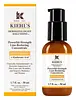
This anti-aging serum is formulated around Ascorbic Acid and Ascorbyl Glucoside to soften the look of wrinkles and brighten dull-looking skin.
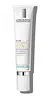
This anti-aging day moisturizer is formulated around Ascorbic Acid to soften the look of wrinkles and brighten dull-looking skin.


What's inside
What's inside
 Key Ingredients
Benefits
Concerns
Ingredients Side-by-side
Propylene Glycol
Humectant


Dimethicone
Emollient

Glycerin
Humectant
Ascorbic Acid
Antioxidant





Ethylhexyl Palmitate
Emollient


Cetyl PEG/PPG-10/1 Dimethicone
Emulsifying
Dimethicone Crosspolymer
Emulsion Stabilising
Ascorbyl Glucoside
Antioxidant
Cyclohexasiloxane
Emollient
Hydroxyethylpiperazine Ethane Sulfonic Acid
BufferingLauroyl Lysine
Skin Conditioning
Acrylonitrile/Methyl Methacrylate/Vinylidene Chloride Copolymer
Polysilicone-11
Adenosine
Skin Conditioning
Hydrolyzed Hyaluronic Acid
Humectant
Limonene
Perfuming


Isobutane
Citrus Aurantium Dulcis Peel Oil
Masking
Citrus Limon Peel Oil
Masking

Citral
Perfuming
Pentaerythrityl Tetra-Di-T-Butyl Hydroxyhydrocinnamate
Antioxidant
Propylene Glycol, Dimethicone, Glycerin, Ascorbic Acid, Ethylhexyl Palmitate, Cetyl PEG/PPG-10/1 Dimethicone, Dimethicone Crosspolymer, Ascorbyl Glucoside, Cyclohexasiloxane, Hydroxyethylpiperazine Ethane Sulfonic Acid, Lauroyl Lysine, Acrylonitrile/Methyl Methacrylate/Vinylidene Chloride Copolymer, Polysilicone-11, Adenosine, Hydrolyzed Hyaluronic Acid, Limonene, Isobutane, Citrus Aurantium Dulcis Peel Oil, Citrus Limon Peel Oil, Citral, Pentaerythrityl Tetra-Di-T-Butyl Hydroxyhydrocinnamate
Water
Skin ConditioningAscorbic Acid
Antioxidant
Dimethicone
Emollient
C12-15 Alkyl Benzoate
AntimicrobialGlycerin
Humectant
Ethylhexyl Palmitate
Emollient
Potassium Hydroxide
BufferingCetyl Alcohol
Emollient

PEG-100 Stearate
Surfactant
Glyceryl Stearate
Emollient
Sodium Styrene/Ma Copolymer
Emulsion StabilisingStearyl Alcohol
Emollient
Isobutane
Dimethicone/Vinyl Dimethicone Crosspolymer
Skin Conditioning
Dimethiconol
Emollient
Sodium Hyaluronate
Humectant
Myristyl Alcohol
Emollient
Ammonium Polyacryloyldimethyl Taurate
Emulsion StabilisingDisodium EDTA
Caprylyl Glycol
Emollient
Biosaccharide Gum-1
Humectant
Xanthan Gum
EmulsifyingT-Butyl Alcohol
Perfuming

Acrylonitrile/Methyl Methacrylate/Vinylidene Chloride Copolymer
Tocopheryl Acetate
Antioxidant
Phenoxyethanol
Preservative
Parfum
Masking
Water, Ascorbic Acid, Dimethicone, C12-15 Alkyl Benzoate, Glycerin, Ethylhexyl Palmitate, Potassium Hydroxide, Cetyl Alcohol, PEG-100 Stearate, Glyceryl Stearate, Sodium Styrene/Ma Copolymer, Stearyl Alcohol, Isobutane, Dimethicone/Vinyl Dimethicone Crosspolymer, Dimethiconol, Sodium Hyaluronate, Myristyl Alcohol, Ammonium Polyacryloyldimethyl Taurate, Disodium EDTA, Caprylyl Glycol, Biosaccharide Gum-1, Xanthan Gum, T-Butyl Alcohol, Acrylonitrile/Methyl Methacrylate/Vinylidene Chloride Copolymer, Tocopheryl Acetate, Phenoxyethanol, Parfum
Reviews
Ingredients Explained
These ingredients are found in both products.
Ingredients higher up in an ingredient list are typically present in a larger amount.
We don't have a description for Acrylonitrile/Methyl Methacrylate/Vinylidene Chloride Copolymer yet.
Ascorbic Acid is is pure Vitamin C and is the biologically active form used directly by skin.
Not only is vitamin C great for your overall health and immune system, but it also has plenty of benefits for your skin. It is best supported by academic literature for:
Topical vitamin C has been shown to help neutralize oxidative stress from UV and pollution, helping to improve photoaging and hyperpigmentation when used consistently.
One clinical study found that using 5% topical vitamin C for six months improved signs of photodamaged skin, both on the surface and in the deeper structural layers of the skin.
While vitamin C doesn’t replace sunscreen, studies show it can boost photoprotection when combined with Vitamin E and ferulic acid. These two ingredients help improve stability and protective effects.
The big downside of this ingredient is formulation difficulty. Vitamin C is prone to oxidation and doesn't penetrate the skin unless formulated correctly. Research found that vitamin C absorbs into the skin best at a low pH (< 3.5) with about 20% being the upper limit for effective absorption.
Skin levels can saturate after repeated application; this means your skin won’t keep absorbing more once it’s full of vitamin C. This is why more isn’t always better with vitamin C and why very high concentrations don’t necessarily give extra benefits.
Ascorbic acid generally works well with many skincare ingredients but can be irritating when combined with other active ingredients. Strong oxidizing acne treatments like benzoyl peroxide can reduce the effectiveness of vitamin C if they are used at the same time; they are often recommended for use at different times of day.
Read more about other types of Vitamin C:
Foods rich with vitamin C include oranges, strawberries, broccoli, bell peppers, and more. When consuming Vitamin C, your skin receives a portion of the nutrients.
Learn more about Ascorbic AcidDimethicone is a type of synthetic silicone created from natural materials such as quartz. It is also known as polydimethylsiloxane.
What it does:
Dimethicone comes in different viscosities:
Depending on the viscosity, dimethicone has different properties.
Ingredients lists don't always show which type is used, so we recommend reaching out to the brand if you have questions about the viscosity.
This ingredient is unlikely to cause irritation because it does not get absorbed into skin. However, people with silicone allergies should be careful about using this ingredient.
Note: Dimethicone may contribute to pilling. This is because it is not oil or water soluble, so pilling may occur when layered with products. When mixed with heavy oils in a formula, the outcome is also quite greasy.
Learn more about DimethiconeEthylhexyl Palmitate, also known as octyl palmitate, is created from 2-ethylhexyl alcohol and palmitic acid.
In cosmetics, it plays many roles:
One thing worth noting: a controlled study found this ingredient applied under occlusion to acne-prone subjects increased microcomedones. Just keep in mind this was under occlusive conditions and don't reflect how most products are used day-to-day.
For most people, this is a well-tolerated and lightweight ingredient.
This ingredient may not be fungal acne safe because it is an ester of palmitic acid, a C16 fatty acid that falls within the C11-24 range that Malassezia can metabolize.
Learn more about Ethylhexyl PalmitateGlycerin (or glycerol) is a compound naturally found in your skin. It's a powerhouse humectant that pulls water into the stratum corneum.
Topically, glycerin does several things at once:
Your skin makes glycerin on its own (mostly from sebaceous oil breakdown) and shuttles it to your outermost layer of skin, or your epidermis, via aquaporin-3.
Aquaporin-3 is a transporter that is essential for normal skin hydration, elasticity, and repair. Interestingly, mice lacking in AQP3 have dry and less elastic skin that can be fully corrected with glycerin.
This ingredient is non-irritating, plays well with almost every ingredient, and works across all skin types. Typical use is anywhere between 3-10% but can go up to 79% in some leave-on products.
Just know very high concentrations (>40%) can feel tacky in low humidity.
Glycerin is the name for this ingredient in American English. British English uses Glycerol/Glycerine.
Learn more about GlycerinThis ingredient is a low-molecular weight gas using as a propellant in foams, sprays, and mousses.
It is not intended to interact with skin in a meaningful way as it evaporates almost immediately after dispensing and only leaving behind the actual product formula.
If it does somehow make it onto your skin, it is chemically inert and does not penetrate or get absorbed into skin. Safety assessments note that adverse skin reactions to this ingredient are uncommon.
Learn more about Isobutane

