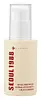
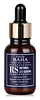
K-Secret Seoul 1988 Serum Retinal Liposome 2% + Black Ginseng Versus Cos De BAHA Retinol 2.5% Facial Serum With Vitamin E
This anti-aging serum is formulated around Panax Ginseng Root Extract and Niacinamide to soften the look of wrinkles and refine skin texture.
This anti-aging serum is formulated around Retinol and Niacinamide to soften the look of wrinkles and refine skin texture.

What's inside
What's inside
 Key Ingredients
Benefits
Concerns
Ingredients Side-by-side
Panax Ginseng Root Extract
Emollient



Water
Skin ConditioningGlycerin
Humectant
Dipropylene Glycol
HumectantCaprylic/Capric Triglyceride
Masking
1,2-Hexanediol
Skin Conditioning
Niacinamide
Smoothing







Butylene Glycol
Humectant
Methyl Gluceth-20
Humectant
Polyglyceryl-3 Methylglucose Distearate
Emulsifying

Hydrogenated Lecithin
Emulsifying
Sorbitan Stearate
Emulsifying
Ammonium Acryloyldimethyltaurate/Vp Copolymer
Macadamia Ternifolia Seed Oil
Emollient
Carbomer
Emulsion StabilisingTromethamine
BufferingBetaine
Humectant
Tocopherol
Antioxidant

Ethylhexylglycerin
Skin ConditioningHelianthus Annuus Seed Oil
Emollient
Adenosine
Skin Conditioning
Disodium EDTA
ChelatingCholesterol
Emollient
Polyglyceryl-10 Oleate
Skin Conditioning
Brassica Campestris Sterols
EmollientPhytosteryl/Behenyl/Octyldodecyl Lauroyl Glutamate
Skin ConditioningRetinal
Skin Conditioning

Silica
Abrasive
Aluminum/Magnesium Hydroxide Stearate
Emulsion StabilisingPotassium Cetyl Phosphate
EmulsifyingPentaerythrityl Tetra-Di-T-Butyl Hydroxyhydrocinnamate
Antioxidant
Arctium Lappa Root Extract
Skin Conditioning
Cnidium Officinale Root Extract
Skin ConditioningDioscorea Japonica Root Extract
Skin Conditioning
Paeonia Suffruticosa Root Extract
Skin ProtectingRehmannia Chinensis Root Extract
Skin Conditioning3-O-Ethyl Ascorbic Acid
Skin Conditioning
Bakuchiol
Antimicrobial
Sh-Oligopeptide-1
Skin Conditioning
Sh-Oligopeptide-2
Skin Conditioning
Sh-Polypeptide-1
Skin Conditioning
Panax Ginseng Root Extract, Water, Glycerin, Dipropylene Glycol, Caprylic/Capric Triglyceride, 1,2-Hexanediol, Niacinamide, Butylene Glycol, Methyl Gluceth-20, Polyglyceryl-3 Methylglucose Distearate, Hydrogenated Lecithin, Sorbitan Stearate, Ammonium Acryloyldimethyltaurate/Vp Copolymer, Macadamia Ternifolia Seed Oil, Carbomer, Tromethamine, Betaine, Tocopherol, Ethylhexylglycerin, Helianthus Annuus Seed Oil, Adenosine, Disodium EDTA, Cholesterol, Polyglyceryl-10 Oleate, Brassica Campestris Sterols, Phytosteryl/Behenyl/Octyldodecyl Lauroyl Glutamate, Retinal, Silica, Aluminum/Magnesium Hydroxide Stearate, Potassium Cetyl Phosphate, Pentaerythrityl Tetra-Di-T-Butyl Hydroxyhydrocinnamate, Arctium Lappa Root Extract, Cnidium Officinale Root Extract, Dioscorea Japonica Root Extract, Paeonia Suffruticosa Root Extract, Rehmannia Chinensis Root Extract, 3-O-Ethyl Ascorbic Acid, Bakuchiol, Sh-Oligopeptide-1, Sh-Oligopeptide-2, Sh-Polypeptide-1
Aloe Barbadensis Leaf Extract
Emollient
Propanediol
Solvent
Sodium Hyaluronate
Humectant
Niacinamide
Smoothing
1,2-Hexanediol
Skin Conditioning
Polysorbate 20
Emulsifying
Retinol
Skin Conditioning
Tocopheryl Acetate
Antioxidant
Rosa Damascena Extract
MaskingLavandula Angustifolia Flower Extract
Cleansing
Camellia Sinensis Leaf Extract
Antimicrobial
Melissa Officinalis Leaf Extract
Skin ConditioningArtemisia Vulgaris Extract
Skin Conditioning
Disodium EDTA
ChelatingAloe Barbadensis Leaf Extract, Propanediol, Sodium Hyaluronate, Niacinamide, 1,2-Hexanediol, Polysorbate 20, Retinol, Tocopheryl Acetate, Rosa Damascena Extract, Lavandula Angustifolia Flower Extract, Camellia Sinensis Leaf Extract, Melissa Officinalis Leaf Extract, Artemisia Vulgaris Extract, Disodium EDTA
Reviews
Ingredients Explained
These ingredients are found in both products.
Ingredients higher up in an ingredient list are typically present in a larger amount.
1,2-Hexanediol is a synthetic liquid and another multi-functional powerhouse.
It is a:
- Humectant, drawing moisture into the skin
- Emollient, helping to soften skin
- Solvent, dispersing and stabilizing formulas
- Preservative booster, enhancing the antimicrobial activity of other preservatives
Disodium EDTA is a chelating agent. It grabs onto and deactivates metal ions that sneak into your products from water, packaging, or air.
This ingredient mainly works behind the scenes and helps with:
On top of that, this ingredient can counteract the effects of hard water by binding to the minerals in it.
One thing worth knowing is that Disodium EDTA has been shown to be a mild penetration enhancer. It can help other ingredients absorb into skin more effectively which can be a double-edged sword (great for actives, but can also make the active too strong if you have sensitive skin).
Clinical patch testing showed no significant skin irritation at typical use concentrations and minimal dermal absorption.
You'll most likely see this ingredient near the end of an ingredient list. It's typically found in concentrations less than 1%.
Learn more about Disodium EDTANiacinamide is a multitasking form of vitamin B3 that strengthens the skin barrier, reduces pores and dark spots, regulates oil, and improves signs of aging.
And the best part? It's gentle and well-tolerated by most skin types, including sensitive and reactive skin.
You might have heard of "niacin flush", or the reddening of skin that causes itchiness. Niacinamide has not been found to cause this.
In very rare cases, some individuals may not be able to tolerate niacinamide at all or experience an allergic reaction to it.
If you are experiencing flaking, irritation, and dryness with this ingredient, be sure to double check all your products as this ingredient can be found in all categories of skincare.
When incorporating niacinamide into your routine, look out for concentration amounts. Typically, 5% niacinamide provides benefits such as fading dark spots. However, if you have sensitive skin, it is better to begin with a smaller concentration.
When you apply niacinamide to your skin, your body converts it into nicotinamide adenine dinucleotide (NAD). NAD is an essential coenzyme that is already found in your cells as "fuel" and powers countless biological processes.
In your skin, NAD helps repair cell damage, produce new healthy cells, support collagen production, strengthen the skin barrier, and fight environmental stressors (like UV and pollution).
Our natural NAD levels start to decline with age, leading to slower skin repair, visible aging, and a weaker skin barrier. By providing your skin niacinamide, you're recharging your skin's NAD levels. This leads to stronger, healthier, and younger looking skin.
Another name for vitamin B3 is nicotinamide. This vitamin is water-soluble and our bodies don't store it. We obtain Vitamin B3 from either food or skincare. Meat, fish, wheat, yeast, and leafy greens contain vitamin B3.
The type of niacinamide used in skincare is synthetically created.
Learn more about Niacinamide

