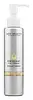
This mild gel cleanser is mild enough to cleanse without leaving skin feeling tight or stripped.
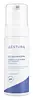
This mild foaming cleanser is made to cleanse while respecting your skin barrier.


What's inside
What's inside
 Key Ingredients
Benefits
Concerns
No concerns
Ingredients Side-by-side
Citrus Limon Juice
Skin Conditioning
Pyrus Malus Juice
Skin ConditioningVitis Vinifera Juice
Antioxidant
Aloe Barbadensis Leaf Juice
Skin Conditioning


Decyl Glucoside
Cleansing
Glycerin
Humectant

Sodium Cocoyl Glycinate
Cleansing
Caprylyl Glycol
Emollient
Gluconolactone
Chelating






Vitis Vinifera Oil
Perfuming



Xanthan Gum
EmulsifyingHelianthus Annuus Seed Oil
Emollient
Citrus Aurantium Dulcis Fruit Extract
MaskingCitrus Paradisi Fruit Extract
Skin ConditioningAlgae Extract
Emollient

Malus Domestica Fruit Cell Culture Extract
Skin ConditioningVitis Vinifera Fruit Extract
Skin ConditioningCitrus Limon Leaf Cell Extract
Skin ConditioningAscorbic Acid
Antioxidant

Tocopherol
Antioxidant
Hydroxypropyl Methylcellulose
Emulsion StabilisingSodium Phytate
ChelatingPolyglyceryl-5 Oleate
Emulsifying
Sodium Cocoyl Glutamate
Cleansing
Glyceryl Caprylate
EmollientIsomalt
HumectantGlyceryl Stearate
Emollient
Litsea Cubeba Fruit Oil
Masking
Cinnamomum Camphora Wood Oil
Masking
Citrus Limon Juice, Pyrus Malus Juice, Vitis Vinifera Juice, Aloe Barbadensis Leaf Juice, Decyl Glucoside, Glycerin, Sodium Cocoyl Glycinate, Caprylyl Glycol, Gluconolactone, Vitis Vinifera Oil, Xanthan Gum, Helianthus Annuus Seed Oil, Citrus Aurantium Dulcis Fruit Extract, Citrus Paradisi Fruit Extract, Algae Extract, Malus Domestica Fruit Cell Culture Extract, Vitis Vinifera Fruit Extract, Citrus Limon Leaf Cell Extract, Ascorbic Acid, Tocopherol, Hydroxypropyl Methylcellulose, Sodium Phytate, Polyglyceryl-5 Oleate, Sodium Cocoyl Glutamate, Glyceryl Caprylate, Isomalt, Glyceryl Stearate, Litsea Cubeba Fruit Oil, Cinnamomum Camphora Wood Oil
Water
Skin ConditioningGlycerin
Humectant
Sorbitol
Humectant
Propanediol
Solvent
Coco-Glucoside
Cleansing
Caprylyl/Capryl Glucoside
CleansingDisodium Cocoamphodiacetate
CleansingDisodium Cocoyl Glutamate
Cleansing
Sodium Chloride
MaskingCitric Acid
Buffering
Glyceryl Caprylate
EmollientDisodium EDTA
ChelatingEthylhexylglycerin
Skin ConditioningButylene Glycol
Humectant
Tocopherol
Antioxidant
Camellia Sinensis Leaf Extract
Antimicrobial
Reviews
Ingredients Explained
These ingredients are found in both products.
Ingredients higher up in an ingredient list are typically present in a larger amount.
Glycerin (or glycerol) is a compound naturally found in your skin. It's a powerhouse humectant that pulls water into the stratum corneum.
Topically, glycerin does several things at once:
Your skin makes glycerin on its own (mostly from sebaceous oil breakdown) and shuttles it to your outermost layer of skin, or your epidermis, via aquaporin-3.
Aquaporin-3 is a transporter that is essential for normal skin hydration, elasticity, and repair. Interestingly, mice lacking in AQP3 have dry and less elastic skin that can be fully corrected with glycerin.
This ingredient is non-irritating, plays well with almost every ingredient, and works across all skin types. Typical use is anywhere between 3-10% but can go up to 79% in some leave-on products.
Just know very high concentrations (>40%) can feel tacky in low humidity.
Glycerin is the name for this ingredient in American English. British English uses Glycerol/Glycerine.
Learn more about GlycerinGlyceryl Caprylate comes from glycerin and caprylic acid. It is an emollient, co-emulsifier, and preservative booster.
Its short C8 fatty acid chain makes it behave differently from its longer-chain emollient cousins like Glyceryl Stearate. It feels more lightweight, fast-absorbing, and silky instead of rich and waxy.
As a co-emulsifier, its "head" and "tail" sit at the oil-water interface. But overall, the short C8 tail and not being water soluble means it doesn't really have the muscle to emulsify a formula on its own. That's why you'll often see it paired with a primary emulsifier like Cetearyl Glucoside.
Interestingly, Glyceryl Caprylate acts as a preservative booster. This is because its fatty-acid backbone disrupts microbial lipid membranes. It shows excellent activity against bacteria and yeast but is weaker against mold.
Typical concentrations range from 0.5-1% and this ingredient is generally non-irritating.
Because this ingredient has a C8 fatty acid chain, it is outside the range that the Malassezia yeast metabolizes (making it fungal acne safe).
Learn more about Glyceryl CaprylateTocopherol is a fat-soluble antioxidant known as Vitamin E.
You'll find this ingredient in the vast majority of skincare (for good reason). It works to neutralize free radicals, or unstable molecules generated by UV exposure, pollution, and other environmental stressors, before they can cause oxidative damage to your skin cells.
Topically applied tocopherol has been shown to protect against UV damage by ramping up the skin's own natural defense enzymes.
It also acts as a skin conditioning agent; some studies show that regular topical use can improve the skin's water-binding capacity over 2-4 weeks.
This ingredient is especially loved for being a team player. When combined with Vitamin C, the photoprotective effect of both ingredients roughly doubles and the combo also helps reduce UV-induced DNA damage.
This ingredient has some brightening potential but it's more of a prevention ingredient than spot-fader. Cell studies show it can slow down melanin production but it's worth noting that it's not the most powerful brightener out there.
In formulations, it also serves as a stabilizer that helps protect other oxidation-prone ingredients from degrading.
Concentrations usually range from 0.1-1% in most leave-on products.
Learn more about Tocopherol

