Jane Iredale PurePressed Base Mineral Foundation Versus Jane Iredale Hydropure Tinted Serum with Hyaluronic Acid & CoQ10

What's inside
What's inside
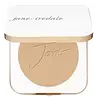 Key Ingredients
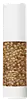
No key ingredients
Benefits
Concerns
Ingredients Side-by-side



Water
Skin ConditioningGlycerin
Humectant


Agar
MaskingDipropylene Glycol
HumectantAlcohol Denat.
Antimicrobial




Stearic Acid
Cleansing

Sodium Hyaluronate
Humectant


Glyceryl Polymethacrylate
Aloe Barbadensis Leaf Juice
Skin Conditioning
Calendula Officinalis Flower Oil
Masking


Raphanus Sativus Root Extract
AstringentAvena Sativa Kernel Extract
Abrasive

Hyaluronic Acid
Humectant
Camellia Sinensis Leaf Extract
Antimicrobial


Cetyl Ethylhexanoate
EmollientGlyceryl Acrylate/Acrylic Acid Copolymer
HumectantTromethamine
Buffering1,2-Hexanediol
Skin Conditioning
Polysorbate 60
Emulsifying
Glyceryl Stearate
Emollient
Caprylic/Capric Triglyceride
Masking
Boron Nitride
Absorbent
Butyrospermum Parkii Butter
Skin Conditioning
Squalane
Emollient
Beeswax
Emulsion Stabilising
Sorbitan Olivate
Emulsifying
Magnesium Aluminum Silicate
Absorbent
Ethylhexylglycerin
Skin ConditioningAllantoin
Skin Conditioning
Salix Nigra Bark Extract
Skin ProtectingChondrus Crispus Extract
Skin Conditioning
Magnesium Ascorbyl Phosphate
Antioxidant

Ubiquinone
Antioxidant
Disodium EDTA
ChelatingTocopheryl Acetate
Antioxidant
Algae Extract
Emollient
Mica
Cosmetic ColorantCI 77891
Cosmetic ColorantCI 77491
Cosmetic ColorantCI 77492
Cosmetic ColorantCI 77489
Cosmetic ColorantCI 77499
Cosmetic ColorantCI 77288
Cosmetic ColorantWater, Glycerin, Agar, Dipropylene Glycol, Alcohol Denat., Stearic Acid, Sodium Hyaluronate, Glyceryl Polymethacrylate, Aloe Barbadensis Leaf Juice, Calendula Officinalis Flower Oil, Raphanus Sativus Root Extract, Avena Sativa Kernel Extract, Hyaluronic Acid, Camellia Sinensis Leaf Extract, Cetyl Ethylhexanoate, Glyceryl Acrylate/Acrylic Acid Copolymer, Tromethamine, 1,2-Hexanediol, Polysorbate 60, Glyceryl Stearate, Caprylic/Capric Triglyceride, Boron Nitride, Butyrospermum Parkii Butter, Squalane, Beeswax, Sorbitan Olivate, Magnesium Aluminum Silicate, Ethylhexylglycerin, Allantoin, Salix Nigra Bark Extract, Chondrus Crispus Extract, Magnesium Ascorbyl Phosphate, Ubiquinone, Disodium EDTA, Tocopheryl Acetate, Algae Extract, Mica, CI 77891, CI 77491, CI 77492, CI 77489, CI 77499, CI 77288
Reviews
Ingredients Explained
These ingredients are found in both products.
Ingredients higher up in an ingredient list are typically present in a larger amount.
Algae Extract is one of the vaguest names on any label because it just means "extract of some alga" (and there are thousands of species and dozens of ways to extract them). This just means two products listing it can contain completely different things.
This ingredient name was actually officially retired in the INCI dictionary in 2015 and brands were pushed toward species-specific names instead (like Laminaria Digitata Extract or Chondrus Crispus Extract).
Generally, it is used to hold water and soften skin in a formula. Algae are rich in polysaccharides, pigments, and amino-acids that act as humectants, emollients, and skin-conditioning agents.
It isn't on standard cosmetic-patch test panels and "seaweed dermatitis" is actually an acute irritant reaction to algal toxins in seawater and not the cosmetic ingredient.
You'll see algae listed as a 5/5 on a lot of pore-clogging charts and that number doesn't come from anywhere; it's not in the original rabbit-ear studies that most comedogenic ratings trace back to.
The reasoning behind the reputation is that seaweed is high in iodine and iodine can trigger acne-like breakouts when eaten. This traces back to a 1976 letter in Archives of Dermatology describing two women whose breakouts cleared after they stopped taking high-dose kelp supplements orally.
And the reaction of these two women wasn't clogged pores at all: it was an iodine-triggered pustular rash. Later research found normal dietary iodine doesn't meaningfully affect acne either and nobody has shown topical algae delivers enough iodine to matter.
What we do have is dozens of brown and red algae ingredients found to be non-irritating and non-sensitizing, and a handful of studies that found algae compounds may actually help acne.
However, plenty of people do report breaking out from algae-containing products. Skin is individual and it's worth avoiding if yours has reacted to algae before.
Learn more about Algae ExtractBoron Nitride is compound consisting of boron and nitrogen. It is used to absorb oil and modify adherence/ slip in products.
This means it is often used in makeup products to help them last longer.
Mica is a naturally occurring mineral used to add shimmer and color in cosmetics. It can also help improve the texture of a product or give it an opaque, white/silver color.
Serecite is the name for very fine but ragged grains of mica.
This ingredient is often coated with metal oxides like titanium dioxide. Trace amounts of heavy metals may be found in mica, but these metals are not harmful in our personal products.
Mica has been used since prehistoric times throughout the world. Ancient Egyptian, Indian, Greek, Roman, Aztec, and Chinese civilizations have used mica.
Learn more about MicaStearic Acid is a fatty acid that is already found in your skin. It's one of the free fatty acids that works alongside ceramides and cholesterols to maintain your barrier.
In cosmetics, it is a multitasker:
Safety-wise, the CIR Expert Panel has concluded it to be safe in cosmetics when formulated to be non-irritating and non-sensitizing.
Free stearic acid is a C18 fatty acid that the Malassezia yeast can substrate, so this ingredient may not be fungal acne safe.
Learn more about Stearic Acid

