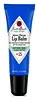
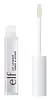
This barrier-repair lip moisturizer is formulated around Butyrospermum Parkii Butter and Camellia Sinensis Leaf Extract to strengthen the lip barrier and hydrate lips.

What's inside
What's inside
 Key Ingredients
Benefits
Concerns
Ingredients Side-by-side





Polybutene
Caprylic/Capric Triglyceride
Masking


Paraffinum Liquidum
Emollient


Silica Dimethyl Silylate
EmollientMicrocrystalline Wax
Emulsion StabilisingTridecyl Trimellitate
EmollientEthylhexyl Palmitate
Emollient



Theobroma Cacao Seed Butter
Emollient
Diisostearyl Malate
EmollientPersea Gratissima Oil
Skin Conditioning
Vitis Vinifera Seed Oil
Emollient
Parfum
Masking

Caprylyl Glycol
Emollient
Phenoxyethanol
Preservative
Helianthus Annuus Seed Oil
Emollient
Limnanthes Alba Seed Oil
Skin Conditioning
Neotame
MaskingRetinyl Palmitate
Skin Conditioning



Tocopheryl Acetate
Antioxidant

CI 77891
Cosmetic ColorantMica
Cosmetic ColorantIron Oxides
CI 15850
Cosmetic ColorantCI 45410
Cosmetic ColorantCI 42090
Cosmetic ColorantPolybutene, Caprylic/Capric Triglyceride, Paraffinum Liquidum, Silica Dimethyl Silylate, Microcrystalline Wax, Tridecyl Trimellitate, Ethylhexyl Palmitate, Theobroma Cacao Seed Butter, Diisostearyl Malate, Persea Gratissima Oil, Vitis Vinifera Seed Oil, Parfum, Caprylyl Glycol, Phenoxyethanol, Helianthus Annuus Seed Oil, Limnanthes Alba Seed Oil, Neotame, Retinyl Palmitate, Tocopheryl Acetate, CI 77891, Mica, Iron Oxides, CI 15850, CI 45410, CI 42090
Reviews
Ingredients Explained
These ingredients are found in both products.
Ingredients higher up in an ingredient list are typically present in a larger amount.
Microcrystalline Wax is derived from petroleum through a de-oiling process, then highly refined and purified before use in cosmetics.
In skincare formulations, it is used to improve texture and create a smooth, even consistency. It also helps stabilize products by preventing ingredients from separating.
This ingredient is also known as Avocado oil. It's the cold-pressed oil from the flesh of the avocado fruit packed with fatty acids (mostly oleic acid).
The rich fatty acid profile allows it to function as a skin conditioning agent and emollient; it helps soften and smooth skin while reducing water loss.
Preclinical research has found that topical avocado oil increased collagen synthesis and reduced inflammation during wound healing, giving it some skin-repairing credibility.
The unsaponifiable fraction of the oil is also interesting: studies on avocado unsaponifiables showed that it helped skin produce more collagen and other structural compounds that support healing.
The CIR Expert Panel has found this ingredient to be non-irritating in formulations.
This ingredient may not be fungal acne safe. This is because the oleic acid content falls within the range that Malassezia can use as a food source.
This ingredient does have a comedogenic rating of 0-3, but this doesn't mean a formula with this ingredient will clog pores. Human testing has proved that any finished product with a comedogenic ingredient won't automatically make you break out; it really comes down to concentration, formula, and your skin.
Learn more about Persea Gratissima OilThis ingredient is also known as Cocoa butter; it's the fat pressed out of roasted cocoa beans.
Cocoa butter is solid at room temperature and melts right around body temperature, which is why it feels waxy in the jar and slippery on skin.
It has a very saturated profile (stearic acid ~34 to 36%, oleic acid ~30 to 40%, and palmitic acid ~24 to 29%) that makes it a strong occlusive: it sits on top and slows water escaping from skin.
Concentration data shows that it can show up anywhere from a few percent in lotions up to 100% in balms, and the FDA lists cocoa butter as an OTC skin protectant active at 50-100%.
The CIR has reviewed it and concluded it to be safe as used in cosmetics.
This is one of the ingredients with a comedogenic score of 4/5 from the rabbit ear test. Just know that a later human study did find that finished products containing high-comedogenic ingredients like cocoa butter did not increase microcomedone formation.
The fair call here is that this ingredient is most likely fine on body or low-percentage formulas, but can potentially be riskier as a heavy leave-on facial product if you break out easily.
Cocoa butter may not be fungal acne safe; it is a triglyceride of C16-18 fatty acids that the Malassezia yeast can metabolize.
Allergies to cocoa butter are rare and uncommon, but a few cases have been documented (mostly in cases where the person ate chocolate). So if you have a tree nut allergy, be sure to patch test or avoid.
Learn more about Theobroma Cacao Seed ButterTocopheryl Acetate is a stable, shelf-friendly form of vitamin E.
Formulators love it because plain vitamin E oxidizes quickly once it hits air. This acetate version stays stable and resists going off, helping to extend a product's shelf life.
It's actually inactive on its own and works like a slow-release "storage" form; the enzymes in your skin called esterases gradually convert it into active vitamin E over time.
One in vivo study showed 5% of the acetate in the living layer of the epidermis converted to vitamin E after 5 days of application. This study also found the skin gained protection against UV damage even though the conversion was slow and small.
Once converted, vitamin E acts as a skin's main fat-soluble antioxidant that fights free radicals to protect skin from damage.
Topical vitamin E generally boosts the skin's photoprotection, and it reduced UV-damage in animal models.
This ingredient has some brightening potential but it's more of a prevention ingredient than spot-fader. Cell studies show it can slow down melanin production but it's worth noting that it's not the most powerful brightener out there.
Overall, it has a pretty solid safety profile and has been found to be non-irritating and non-comedogenic. Allergic reactions may happen but stay rare due to how widely the ingredient gets used.
The concentration will vary depending on the formula; industry data shows 0.1% in baby lotions, 3% in lipsticks, and 5% in foot powders. You can also find this ingredient at 100% in a pure vitamin E oil.
Most leave-on skincare keeps it at the lower end, often between 0.5-1%.
Learn more about Tocopheryl Acetate

