
What's inside
What's inside
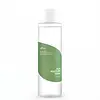 Key Ingredients
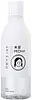
Benefits
Ingredients Side-by-side
Aloe Barbadensis Leaf Extract
Emollient


Water
Skin ConditioningMethylpropanediol
SolventPropanediol
Solvent
Sodium Hyaluronate
Humectant

Centella Asiatica Extract
Cleansing
Polygonum Cuspidatum Root Extract
Antioxidant
Scutellaria Baicalensis Root Extract
AstringentCamellia Sinensis Leaf Extract
Antimicrobial
Glycyrrhiza Glabra Root
Skin ConditioningChamomilla Recutita Flower Extract
Masking
Rosmarinus Officinalis Leaf Extract
AntimicrobialPolyglutamic Acid
Skin Conditioning
Allantoin
Skin Conditioning
Dipotassium Glycyrrhizate
Humectant
Trehalose
Humectant
Betaine
Humectant
Panthenol
Skin Conditioning
Tromethamine
BufferingAcrylates/C10-30 Alkyl Acrylate Crosspolymer
Emulsion StabilisingDisodium EDTA
Hydroxyacetophenone
Antioxidant
Aloe Barbadensis Leaf Extract, Water, Methylpropanediol, Propanediol, Sodium Hyaluronate, Centella Asiatica Extract, Polygonum Cuspidatum Root Extract, Scutellaria Baicalensis Root Extract, Camellia Sinensis Leaf Extract, Glycyrrhiza Glabra Root, Chamomilla Recutita Flower Extract, Rosmarinus Officinalis Leaf Extract, Polyglutamic Acid, Allantoin, Dipotassium Glycyrrhizate, Trehalose, Betaine, Panthenol, Tromethamine, Acrylates/C10-30 Alkyl Acrylate Crosspolymer, Disodium EDTA, Hydroxyacetophenone
Oryza Sativa Bran Water 77%
Masking
Glycerin
Humectant
Propanediol
Solvent
Poly 1,2-Butanediol-6 Propylene Glycol
SolventGlycereth-26
Humectant
Betaine
Humectant
Dipotassium Glycyrrhizate
Humectant
Oryza Sativa Bran Extract 0.01%
Skin Conditioning
Akebia Quinata Extract
Skin ConditioningAvena Sativa Seed Extract
Skin ConditioningOpuntia Humifusa Stem Extract
Antioxidant
Xanthium Strumarium Fruit Extract
Skin ConditioningMorinda Citrifolia Extract
AstringentGinkgo Biloba Leaf Extract
Skin Conditioning
Portulaca Oleracea Extract
Skin Conditioning
Centella Asiatica Extract
Cleansing
Polygonum Cuspidatum Root Extract
Antioxidant
Scutellaria Baicalensis Root Extract
AstringentCamellia Sinensis Leaf Extract
Antimicrobial
Bambusa Vulgaris Extract
Skin Conditioning
Chamomilla Recutita Flower Extract
Masking
Rosmarinus Officinalis Leaf Extract
AntimicrobialWater
Skin ConditioningDisodium EDTA
Oryza Sativa Bran Water 77%, Glycerin, Propanediol, Poly 1,2-Butanediol-6 Propylene Glycol, Glycereth-26, Betaine, Dipotassium Glycyrrhizate, Oryza Sativa Bran Extract 0.01%, Akebia Quinata Extract, Avena Sativa Seed Extract, Opuntia Humifusa Stem Extract, Xanthium Strumarium Fruit Extract, Morinda Citrifolia Extract, Ginkgo Biloba Leaf Extract, Portulaca Oleracea Extract, Centella Asiatica Extract, Polygonum Cuspidatum Root Extract, Scutellaria Baicalensis Root Extract, Camellia Sinensis Leaf Extract, Bambusa Vulgaris Extract, Chamomilla Recutita Flower Extract, Rosmarinus Officinalis Leaf Extract, Water, Disodium EDTA
Reviews
Ingredients Explained
These ingredients are found in both products.
Ingredients higher up in an ingredient list are typically present in a larger amount.
Betaine is a common humectant (a substance that promotes retention of moisture). It's known to be gentle on the skin and can help balance hydration.
This ingredient is best for improving hydration and soothing irritated skin. Studies also show it helps even out skin tone.
Fun fact: Betaine is naturally created in the skin and body. The kind found within cosmetic products can be either plant-derived or synthetic.
Another name for betaine is trimethylglycine.
Learn more about BetaineCamellia Sinensis Leaf Extract is derived from the leaves of the tea plant. Black tea, green tea, and oolong tea are all harvested from this plant.
This ingredient has many skin benefits:
This ingredient contains polyphenols, a strong antioxidant. Antioxidants help fight off molecules that damage skin cells.
On top of that, the antioxidants in green tea neutralize free-radicals from the sun. This gives the skin some extra UV protection, but should not replace sunscreen.
Many components of tea have anti-inflammatory properties.
Polyphenols and L-theanine help soothe the skin and reduce irritation. The caffeine in Camellia Sinensis Leaf Extract helps calm inflamed blood vessels.
Other compounds found in tea include: Vitamin Bs, linoleic acid, magnesium, calcium, iron, and zinc.
Research has shown both drinking Camellia Sinensis Leaf Tea and applying it to the skin can help boost skin elasticity and hydration. Studies also show using tea extract may reduce sebum, or oil, production.
Learn more about Camellia Sinensis Leaf ExtractCentella Asiatica Extract (Centella) is derived from an herb native to Southeast Asia. It is famous for its anti-inflammatory and soothing properties.
Centella is rich in antioxidants and amino acids, such as Madecassic Acid and Asiaticoside.
Studies show the compounds in centella help with:
The combination of all these properties makes centella effective at soothing, hydrating, and protecting the skin.
Other great components of centella include Vitamin A, vitamin C, several B vitamins, and Asiatic Acid.
Fun fact: Centella has been used as a medicine and in food for many centuries. As a medicine, it is used to treat burns, scratches, and wounds.
Learn more about Centella Asiatica ExtractChamomilla Recutita Flower Extract comes from the Chamomile flower.
Chamomile is rich in antioxidants and has anti-inflammatory properties. Several compounds found in chamomile help with soothing, such as bisbolol.
Antioxidant components in chamomile make it an effective ingredient to help slow the signs of aging. Antioxidants help fight free-radical molecules, or molecules that may damage your skin.
Essential oils from chamomile have been found to improve wound healing due to its antimicrobial properties.
Ancient Greeks and Egyptians used Chamomile to treat skin redness and dryness. Chamomile has also been used to help treat stomach issues.
Learn more about Chamomilla Recutita Flower ExtractDipotassium Glycyrrhizate comes from licorice root.
Extracts of licorice have demonstrated to have antibacterial, anti‐inflammatory, antiviral, antioxidant properties.
One component, glabridin, has extra potent antioxidant and soothing properties. It has also been found to block pigmentation from UVB rays in guinea pigs.
Licorice Root also contains a flavonoid. Flavonoids are a natural substance from in plants. Flavonoids also have antioxidant properties.
Another component, glycyrrhizin, has been found to have anti-inflammatory and antimicrobial benefits. This may make licorice root extract effective at treating acne. However, more research is needed to support this.
Liquiritin is one of the flavone compounds found in licorice. It has been found to help lighten skin by preventing tyrosinase from reacting with tyrosine. When the two react, protein is converted to melanin. Melanin is the substance in your body that gives your features pigmentation.
Licorice root is native to Southern Europe and Asia. It has been used in traditional Chinese medicine to help with respiratory issues.
Learn more about Dipotassium GlycyrrhizateDisodium EDTA plays a role in making products more stable by aiding other preservatives.
It is a chelating agent, meaning it neutralizes metal ions that may be found in a product.
Disodium EDTA is a salt of edetic acid and is found to be safe in cosmetic ingredients.
Learn more about Disodium EDTAPolygonum Cuspidatum Root Extract comes from the Japanese Knotweed plant native to Japan, Korea, and China.
This plant contains anti-inflammatory and antioxidant properties. It contains high amounts of resveratrol, a potent antioxidant.
The root of the plant has been used in traditional folk medicine throughout Asia.
Learn more about Polygonum Cuspidatum Root ExtractPropanediol is an all-star ingredient. It softens, hydrates, and smooths the skin.
It’s often used to:
Propanediol is not likely to cause sensitivity and considered safe to use. It is derived from corn or petroleum with a clear color and no scent.
Learn more about PropanediolRosmarinus Officinalis Leaf Extract comes from rosemary. Rosemary is native to the Mediterranean.
While Rosmarinus Officinalis Leaf Oil can be volatile due to its fragrant properties, the fragrance components are usually removed in the leaf extract.
Rosemary Leaf Extract contains many antioxidants such as rosmarinic acid and caffeic acid. Rosemarinic acid, a compound found in rosemary leaf, has been found to help soothe skin conditions such as eczema and acne.
Learn more about Rosmarinus Officinalis Leaf ExtractScutellaria Baicalensis Root Extract comes from the Baikal skullcap or Chinese skullcap plant. This plant is native to Northeast Asia and can be found in China, Mongolia, Korea, and Siberia.
In cosmetics, Scutellaria Baicalensis Root Extract provides antioxidant and anti-inflammatory benefits. This is due to the flavonoid composition of Scutellaria Baicalensis Root Extract.
In Chinese traditional folk medicine, Scutellaria Baicalensis Root Extract is used to help treat lung issues and hypertension.
Learn more about Scutellaria Baicalensis Root ExtractWater. It's the most common cosmetic ingredient of all. You'll usually see it at the top of ingredient lists, meaning that it makes up the largest part of the product.
So why is it so popular? Water most often acts as a solvent - this means that it helps dissolve other ingredients into the formulation.
You'll also recognize water as that liquid we all need to stay alive. If you see this, drink a glass of water. Stay hydrated!
Learn more about Water
