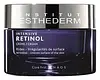
This anti-aging night moisturizer is formulated around Retinyl Palmitate and Carnosine to soften the look of wrinkles and fade the look of dark spots.
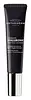
This anti-aging eye moisturizer is formulated around Sodium Hyaluronate and Caffeine to soften the look of wrinkles and hydrate skin.

What's inside
What's inside
 Key Ingredients
Benefits
Concerns
Ingredients Side-by-side
Glycerin
Humectant


Cetearyl Isononanoate
Emollient
Cyclopentasiloxane
Emollient
Propylene Glycol Dicaprate
EmollientDipropylene Glycol
HumectantPalmitamide DEA
Foam BoostingCetearyl Alcohol
Emollient





Macrogol Stearate Type I
Cetyl Palmitate
Emollient
Cetearyl Glucoside
Emulsifying
Phenoxyethanol
Preservative
Chlorphenesin
Antimicrobial
C30-45 Alkyl Cetearyl Dimethicone Crosspolymer
Emollient
Retinyl Palmitate
Skin Conditioning


Polysorbate 60
Emulsifying
Propylene Glycol
Humectant
Parfum
Masking


Pentaerythrityl Tetra-Di-T-Butyl Hydroxyhydrocinnamate
Antioxidant
Sorbitan Stearate
Emulsifying
Carnosine
Skin Conditioning
Tocopherol
Antioxidant

Laminaria Digitata Extract
Skin Protecting
Glycerin, Cetearyl Isononanoate, Cyclopentasiloxane, Propylene Glycol Dicaprate, Dipropylene Glycol, Palmitamide DEA, Cetearyl Alcohol, Macrogol Stearate Type I, Cetyl Palmitate, Cetearyl Glucoside, Phenoxyethanol, Chlorphenesin, C30-45 Alkyl Cetearyl Dimethicone Crosspolymer, Retinyl Palmitate, Polysorbate 60, Propylene Glycol, Parfum, Pentaerythrityl Tetra-Di-T-Butyl Hydroxyhydrocinnamate, Sorbitan Stearate, Carnosine, Tocopherol, Laminaria Digitata Extract
Water
Skin ConditioningGlycerin
Humectant
Butylene Glycol
Humectant
Ethylhexyl Palmitate
Emollient
Hydroxyethyl Acrylate/Sodium Acryloyldimethyl Taurate Copolymer
Emulsion StabilisingSodium Polyacrylate
Absorbent
Sodium Hyaluronate
Humectant
Squalane
Emollient
Pentylene Glycol
Skin Conditioning
Caprylyl Glycol
Emollient
Carnosine
Skin Conditioning
1,2-Hexanediol
Skin Conditioning
Caffeine
Skin Conditioning
Sodium Citrate
BufferingGlyceryl Acrylate/Acrylic Acid Copolymer
HumectantPolysorbate 60
Emulsifying
Phenoxyethanol
Preservative
Silica Dimethyl Silylate
EmollientPropylene Glycol
Humectant
Adenosine
Skin Conditioning
Neoruscogenin
Skin ConditioningSorbitan Isostearate
Emulsifying
Ruscogenin
Skin ConditioningDisodium Adenosine Triphosphate
Skin ConditioningHexylene Glycol
EmulsifyingLaminaria Digitata Extract
Skin Protecting
Water, Glycerin, Butylene Glycol, Ethylhexyl Palmitate, Hydroxyethyl Acrylate/Sodium Acryloyldimethyl Taurate Copolymer, Sodium Polyacrylate, Sodium Hyaluronate, Squalane, Pentylene Glycol, Caprylyl Glycol, Carnosine, 1,2-Hexanediol, Caffeine, Sodium Citrate, Glyceryl Acrylate/Acrylic Acid Copolymer, Polysorbate 60, Phenoxyethanol, Silica Dimethyl Silylate, Propylene Glycol, Adenosine, Neoruscogenin, Sorbitan Isostearate, Ruscogenin, Disodium Adenosine Triphosphate, Hexylene Glycol, Laminaria Digitata Extract
Ingredients Explained
These ingredients are found in both products.
Ingredients higher up in an ingredient list are typically present in a larger amount.
Carnosine is a dipeptide made from two amino acids.
This ingredient helps:
Glycation is the process of sugars binding to and damaging proteins. Too much sugar in our skin can lead to damaged collagen, contributing to factors of aging.
Carnosine is water-soluble and is not able to travel deeper layers of skin. This leads to some doubt about whether it can boost collagen in skin, since collagen is located in the deeper layers of skin.
Fun fact: Carnosine can be naturally found in our muscles and brain.
Learn more about CarnosineGlycerin (or glycerol) is a compound naturally found in your skin. It's a powerhouse humectant that pulls water into the stratum corneum.
Topically, glycerin does several things at once:
Your skin makes glycerin on its own (mostly from sebaceous oil breakdown) and shuttles it to your outermost layer of skin, or your epidermis, via aquaporin-3.
Aquaporin-3 is a transporter that is essential for normal skin hydration, elasticity, and repair. Interestingly, mice lacking in AQP3 have dry and less elastic skin that can be fully corrected with glycerin.
This ingredient is non-irritating, plays well with almost every ingredient, and works across all skin types. Typical use is anywhere between 3-10% but can go up to 79% in some leave-on products.
Just know very high concentrations (>40%) can feel tacky in low humidity.
Glycerin is the name for this ingredient in American English. British English uses Glycerol/Glycerine.
Learn more about GlycerinLaminaria Digitata Extract comes from the big brown seaweed (or kelp) that grows in the North Atlantic. In skincare, it's mostly used as a skin protectant and conditioning agent.
The most interesting stuff inside is mostly just sugars and minerals: fucoidan (a sulfated polysaccharide), laminarin (a beta-glucan), alginates, and phlorotannins (seaweed polyphenols).
Any antioxidant and soothing claims mostly come from those polysaccharides; crude laminarin and fucoidan from Laminaria digitata do show antioxidant and anti-inflammatory activity in lab assays.
Just know that the lab assays are test-tube work on isolated compounds and not clinical trials on the finished extract.
Realistically, this ingredient is a nice-feeling and hydrating skin conditioner (not really an active).
Safety-wise, it's one of the better documented seaweeds and safe to be used in cosmetics according to the CIR Expert Panel.
Industry surveys find that usage concentrations run can be found up to 5% in bubble baths and leave-on usage is more likely 0.1-3%.
The risk of allergy is also quite low as human repeat insult patch tests (under 5% and blends containing 8-12%) came back non-irritating and non-sensitizing. Rabbit studies came back negative too, though one trade mixture at 1.5-2.5% in water + propylene glycol did cause moderate irritation at 30 minutes.
Reported seaweed allergies in the literature are almost all occupational (people handling wet kelp) or from a totally unrelated blue/green alga.
You'll see seaweed listed as a 5/5 on a lot of pore-clogging charts and that number doesn't come from anywhere; it's not in the original rabbit-ear studies that most comedogenic ratings trace back to.
The reasoning behind the reputation is that seaweed is high in iodine and iodine can trigger acne-like breakouts when eaten. This traces back to a 1976 letter in Archives of Dermatology describing two women whose breakouts cleared after they stopped taking high-dose kelp supplements orally.
And the reaction of these two women wasn't clogged pores at all: it was an iodine-triggered pustular rash. Later research found normal dietary iodine doesn't meaningfully affect acne either and nobody has shown topical algae delivers enough iodine to matter.
What we do have is dozens of brown and red algae ingredients found to be non-irritating and non-sensitizing, and a handful of studies that found algae compounds may actually help acne.
However, plenty of people do report breaking out from algae-containing products. Skin is individual and it's worth avoiding if yours has reacted to algae before.
The 0-5 scale comes from applying ingredients to the inside of an albino rabbit's ear. Rabbit follicles are far more reactive than human ones so it over-predicts. Even petrolatum was reassigned as non-comedogenic by the original scientist, Kligman.
Here are three more problems of comedogenic ratings:
Learn more about Laminaria Digitata ExtractPhenoxyethanol is one of the most widely used preservatives in skincare (and for good reason!).
It has a large spectrum of antimicrobial activity and especially effective bacteria, yeast, and mold while only having a weak effect on your skin's natural microbiome.
On a cellular level, it disrupts the cell membranes of microbes by poking holes that make the cell leak. This shuts down the chemical reactions the microbe needs to make energy so it can no longer survive.
Another perk of this ingredient is that it stays functional across a wide pH range (3-10).
You'll often see it paired with boosters like Ethylhexylglycerin; one study showed that a 1:9 ratio of Ethylhexylglycerin to Phenoxyethanol damages bacterial membranes as effectively as doubling the Phenoxyethanol concentration on its own.
Typical use concentrations range from 0.3-1% depending on the formula, and this ingredient is capped at 1% int the EU.
Safety-wise, the fear mongering does not hold up to the evidence. The EU's Scientific Committee on Consumer Safety and FDA consider it safe as a preservative at up to 1%, including for children of all ages.
Adverse systemic effects only showed up in animal studies at exposures roughly 200x higher than what people get from cosmetics. And despite its very widespread use, this ingredient is a rare sensitizer and allergic reactions are uncommon.
Learn more about PhenoxyethanolPolysorbate 60 is used to help stabilize products. It is a surfactant and emulsifier. These properties help keep ingredients together in a product. Surfactants help reduce surface tension between ingredients with different states, such as liquids and solids. Emulsifiers help prevent oils and waters from separating.
Polysorbate 60 is sorbitol-based and created from the ethoxylation of sorbitan. Ethoxylation is a chemical reaction used to add ethylene oxide. Sorbitan is a the dehydrated version of sorbitol, a sugar found in fruits.
In this case, the 60 comes from reacting 60 units of ethylene oxide with sorbitan.
Polysorbates are commonly used in medicine and foods.
Learn more about Polysorbate 60Propylene Glycol is a synthetic, colorless, odorless liquid that has been a staple in cosmetics for decades. It is a skin conditioning agent, humectant, and solvent.
As a humectant, it draw water to the skin to reduce flaking and restore suppleness. It's also a solvent that helps dissolve other actives and keeps formulas stable across temperature changes.
The CIR Expert Panel has confirmed this ingredient to be nontoxic and clinical studies show no sensitization at cosmetic use concentrations.
True allergic reactions are quite rare: a 15-year retrospective study of 6,751 patients found only 0.31% had a positive reaction (and less than half were considered clinically relevant).
It seemed that when sensitization does occur, it's most commonly linked to topical medication (like corticosteroids) and not cosmetics. Allergic contact dermatitis also appears largely limited to individuals with underlying skin conditions.
Overall, propylene glycol is a well-studied ingredient that most people can tolerate without issue.
Learn more about Propylene Glycol

