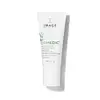
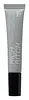
IMAGE skincare Ormedic Balancing Lip Enhancement Complex Versus Freck Rich Bitch Nourishing Plant and Peptide Lip Balm
This anti-aging lip moisturizer is formulated around Persea Gratissima Oil and Palmitoyl Tripeptide-1 to soften the look of wrinkles and hydrate lips.
This anti-aging lip moisturizer is formulated around Ricinus Communis Seed Oil and Simmondsia Chinensis Seed Oil to soften the look of wrinkles and hydrate lips.

What's inside
What's inside
 Key Ingredients
Benefits
Concerns
Ingredients Side-by-side
Hydrogenated Polyisobutene
EmollientEthylene/Propylene/Styrene Copolymer
Persea Gratissima Oil
Skin Conditioning





Phenyl Trimethicone
Skin Conditioning
Pentaerythrityl Tetraisostearate
Emollient
Ethylhexyl Palmitate
Emollient
PPG-12/Smdi Copolymer
EmollientTribehenin
Emollient
Butylene/Ethylene/Styrene Copolymer
Diisopropyl Dimer Dilinoleate
Emollient
Aroma


Tocopheryl Acetate
Antioxidant


Limonene
Perfuming

Silica Dimethyl Silylate
EmollientSorbitan Isostearate
Emulsifying
Butylene Glycol
Humectant
Pentylene Glycol
Skin Conditioning
Sodium Chondroitin Sulfate
Skin ConditioningPentaerythrityl Tetra-Di-T-Butyl Hydroxyhydrocinnamate
Antioxidant
Mica
Cosmetic ColorantCI 77891
Cosmetic ColorantAtelocollagen
Skin Conditioning
Tocopherol
Antioxidant

Linalool
Perfuming
Citral
Perfuming
Palmitoyl Tripeptide-1
Skin Conditioning


Oryzanol
Skin ConditioningUbiquinone
Antioxidant
Hydrogenated Polyisobutene, Ethylene/Propylene/Styrene Copolymer, Persea Gratissima Oil, Phenyl Trimethicone, Pentaerythrityl Tetraisostearate, Ethylhexyl Palmitate, PPG-12/Smdi Copolymer, Tribehenin, Butylene/Ethylene/Styrene Copolymer, Diisopropyl Dimer Dilinoleate, Aroma, Tocopheryl Acetate, Limonene, Silica Dimethyl Silylate, Sorbitan Isostearate, Butylene Glycol, Pentylene Glycol, Sodium Chondroitin Sulfate, Pentaerythrityl Tetra-Di-T-Butyl Hydroxyhydrocinnamate, Mica, CI 77891, Atelocollagen, Tocopherol, Linalool, Citral, Palmitoyl Tripeptide-1, Oryzanol, Ubiquinone
Ricinus Communis Seed Oil
Masking
Bis-Behenyl/Isostearyl/Phytosteryl Dimer Dilinoleyl Dimer Dilinoleate
EmollientBehenyl Behenate
EmollientPolyhydroxystearic Acid
Emulsifying
Simmondsia Chinensis Seed Oil
Emollient
Palmitoyl Tripeptide-38
Skin Conditioning
Portulaca Pilosa Extract
Skin ConditioningOpuntia Ficus-Indica Seed Oil
Emollient
Tocopherol
Antioxidant
Tocopheryl Acetate
Antioxidant
Oryza Sativa Bran Extract
Skin Conditioning
Helianthus Annuus Extract
Emollient
Rosmarinus Officinalis Leaf Extract
AntimicrobialEuphorbia Cerifera Wax
Cetearyl Ethylhexanoate
Emollient
Sorbitan Isostearate
Emulsifying
Sucrose Cocoate
Emulsifying

Caprylyl Glycol
Emollient
1,2-Hexanediol
Skin Conditioning
Ricinus Communis Seed Oil, Bis-Behenyl/Isostearyl/Phytosteryl Dimer Dilinoleyl Dimer Dilinoleate, Behenyl Behenate, Polyhydroxystearic Acid, Simmondsia Chinensis Seed Oil, Palmitoyl Tripeptide-38, Portulaca Pilosa Extract, Opuntia Ficus-Indica Seed Oil, Tocopherol, Tocopheryl Acetate, Oryza Sativa Bran Extract, Helianthus Annuus Extract, Rosmarinus Officinalis Leaf Extract, Euphorbia Cerifera Wax, Cetearyl Ethylhexanoate, Sorbitan Isostearate, Sucrose Cocoate, Caprylyl Glycol, 1,2-Hexanediol
Reviews
Ingredients Explained
These ingredients are found in both products.
Ingredients higher up in an ingredient list are typically present in a larger amount.
Sorbitan Isostearate is an emulsifer. It is created from isostearic acid and sorbitol.
As an emulsifier, it keeps the water and oil ingredients from separating. This keeps formulas stable and smooth.
In a 24 hour occlusive patch test on 56 subjects, 10% sorbitan isostearate was completely non-irritating. Most formulas use less than 10%.
Because it's a fatty acid ester, it may not be fungal acne safe since the Malassezia yeast can utilize it as a nutrient source.
Learn more about Sorbitan IsostearateTocopherol is a fat-soluble antioxidant known as Vitamin E.
You'll find this ingredient in the vast majority of skincare (for good reason). It works to neutralize free radicals, or unstable molecules generated by UV exposure, pollution, and other environmental stressors, before they can cause oxidative damage to your skin cells.
Topically applied tocopherol has been shown to protect against UV damage by ramping up the skin's own natural defense enzymes.
It also acts as a skin conditioning agent; some studies show that regular topical use can improve the skin's water-binding capacity over 2-4 weeks.
This ingredient is especially loved for being a team player. When combined with Vitamin C, the photoprotective effect of both ingredients roughly doubles and the combo also helps reduce UV-induced DNA damage.
This ingredient has some brightening potential but it's more of a prevention ingredient than spot-fader. Cell studies show it can slow down melanin production but it's worth noting that it's not the most powerful brightener out there.
In formulations, it also serves as a stabilizer that helps protect other oxidation-prone ingredients from degrading.
Concentrations usually range from 0.1-1% in most leave-on products.
Learn more about TocopherolTocopheryl Acetate is a stable, shelf-friendly form of vitamin E.
Formulators love it because plain vitamin E oxidizes quickly once it hits air. This acetate version stays stable and resists going off, helping to extend a product's shelf life.
It's actually inactive on its own and works like a slow-release "storage" form; the enzymes in your skin called esterases gradually convert it into active vitamin E over time.
One in vivo study showed 5% of the acetate in the living layer of the epidermis converted to vitamin E after 5 days of application. This study also found the skin gained protection against UV damage even though the conversion was slow and small.
Once converted, vitamin E acts as a skin's main fat-soluble antioxidant that fights free radicals to protect skin from damage.
Topical vitamin E generally boosts the skin's photoprotection, and it reduced UV-damage in animal models.
This ingredient has some brightening potential but it's more of a prevention ingredient than spot-fader. Cell studies show it can slow down melanin production but it's worth noting that it's not the most powerful brightener out there.
Overall, it has a pretty solid safety profile and has been found to be non-irritating and non-comedogenic. Allergic reactions may happen but stay rare due to how widely the ingredient gets used.
The concentration will vary depending on the formula; industry data shows 0.1% in baby lotions, 3% in lipsticks, and 5% in foot powders. You can also find this ingredient at 100% in a pure vitamin E oil.
Most leave-on skincare keeps it at the lower end, often between 0.5-1%.
Learn more about Tocopheryl Acetate

