
What's inside
What's inside
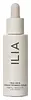 Key Ingredients
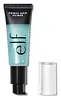
Benefits
Concerns
Ingredients Side-by-side
Aloe Barbadensis Leaf Juice
Skin Conditioning


Maltose
MaskingGluconolactone
Chelating







Glycerin
Humectant
Caprylyl/Capryl Glucoside
CleansingPropanediol
Solvent
Sodium Benzoate
Masking
Caprylic/Capric Triglyceride
Masking
Agave Tequilana Leaf Extract
AstringentXanthan Gum
EmulsifyingChondrus Crispus Extract
Skin Conditioning
Pistacia Lentiscus Gum
MaskingHydrogenated Lecithin
Emulsifying
Mica
Cosmetic ColorantCalcium Gluconate
HumectantBenzyl Alcohol
Perfuming





Ethylhexylglycerin
Skin ConditioningLithothamnion Calcareum Extract
Skin ConditioningBeta-Glucan
Skin Conditioning
Caprylyl Glycol
Emollient
1,2-Hexanediol
Skin Conditioning
Citric Acid
Buffering

Sodium Hydroxide
BufferingBenzoic Acid
Masking
Phenethyl Alcohol
MaskingDehydroacetic Acid
Preservative
Hibiscus Sabdariffa Flower Extract
Skin ConditioningPotassium Sorbate
Preservative
CI 77891
Cosmetic ColorantAloe Barbadensis Leaf Juice, Maltose, Gluconolactone, Glycerin, Caprylyl/Capryl Glucoside, Propanediol, Sodium Benzoate, Caprylic/Capric Triglyceride, Agave Tequilana Leaf Extract, Xanthan Gum, Chondrus Crispus Extract, Pistacia Lentiscus Gum, Hydrogenated Lecithin, Mica, Calcium Gluconate, Benzyl Alcohol, Ethylhexylglycerin, Lithothamnion Calcareum Extract, Beta-Glucan, Caprylyl Glycol, 1,2-Hexanediol, Citric Acid, Sodium Hydroxide, Benzoic Acid, Phenethyl Alcohol, Dehydroacetic Acid, Hibiscus Sabdariffa Flower Extract, Potassium Sorbate, CI 77891
Water
Skin ConditioningButylene Glycol
Humectant
Glycerin
Humectant
PEG-150 Distearate
Emulsifying
Polysorbate 80
Emulsifying
Niacinamide
Smoothing

Rosmarinus Officinalis Leaf Water
MaskingMelissa Officinalis Flower/Leaf/Stem Water
Skin ConditioningMentha Piperita Leaf Water
Skin ConditioningSodium Hyaluronate
Humectant
Sodium Ascorbyl Phosphate
Antioxidant

Menthol
Masking
Pentylene Glycol
Skin Conditioning
Propylene Glycol
Humectant
PEG-240/Hdi Copolymer Bis-Decyltetradeceth-20 Ether
StabilisingPEG-40 Hydrogenated Castor Oil
Emulsifying
Phenoxyethanol
Preservative
Ethylhexylglycerin
Skin ConditioningCaprylyl Glycol
Emollient
Disodium EDTA
ChelatingTrideceth-9
Emulsifying1,2-Hexanediol
Skin Conditioning
CI 42090
Cosmetic ColorantCI 19140
Cosmetic ColorantWater, Butylene Glycol, Glycerin, PEG-150 Distearate, Polysorbate 80, Niacinamide, Rosmarinus Officinalis Leaf Water, Melissa Officinalis Flower/Leaf/Stem Water, Mentha Piperita Leaf Water, Sodium Hyaluronate, Sodium Ascorbyl Phosphate, Menthol, Pentylene Glycol, Propylene Glycol, PEG-240/Hdi Copolymer Bis-Decyltetradeceth-20 Ether, PEG-40 Hydrogenated Castor Oil, Phenoxyethanol, Ethylhexylglycerin, Caprylyl Glycol, Disodium EDTA, Trideceth-9, 1,2-Hexanediol, CI 42090, CI 19140
Reviews
Ingredients Explained
These ingredients are found in both products.
Ingredients higher up in an ingredient list are typically present in a larger amount.
1,2-Hexanediol is a synthetic liquid and another multi-functional powerhouse.
It is a:
- Humectant, drawing moisture into the skin
- Emollient, helping to soften skin
- Solvent, dispersing and stabilizing formulas
- Preservative booster, enhancing the antimicrobial activity of other preservatives
Caprylyl Glycol is a humectant, skin conditioner, emollient, and preservative booster derived from either caprylic acid or synthetically created.
Typical use levels vary from 0.3-1% as a preservative booster and go up to 2% to condition skin.
Because it is not a free-fatty acid, this ingredient is fungal acne safe (there's nothing for Malassezia to feed on).
Learn more about Caprylyl GlycolEthylhexylglycerin is created from glycerin. It is a multitasker ingredient that:
The CIR Expert Panel found minimal skin absorption or sensitization of any kind in a safety assessment. Though this ingredient is considered well-tolerated, a small number of cases of allergic dermatitis have been published since 2002. Just be sure to patch test if you are unsure.
Industry-reported use ranges from 8% in rinse-off products and 2% in leave-on formulations.
Learn more about EthylhexylglycerinGlycerin (or glycerol) is a compound naturally found in your skin. It's a powerhouse humectant that pulls water into the stratum corneum.
Topically, glycerin does several things at once:
Your skin makes glycerin on its own (mostly from sebaceous oil breakdown) and shuttles it to your outermost layer of skin, or your epidermis, via aquaporin-3.
Aquaporin-3 is a transporter that is essential for normal skin hydration, elasticity, and repair. Interestingly, mice lacking in AQP3 have dry and less elastic skin that can be fully corrected with glycerin.
This ingredient is non-irritating, plays well with almost every ingredient, and works across all skin types. Typical use is anywhere between 3-10% but can go up to 79% in some leave-on products.
Just know very high concentrations (>40%) can feel tacky in low humidity.
Glycerin is the name for this ingredient in American English. British English uses Glycerol/Glycerine.
Learn more about Glycerin

