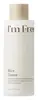
This brightening toner is formulated around Oryza Sativa Extract and Niacinamide to brighten dull-looking skin and hydrate skin.
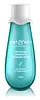
This hydrating toner is formulated around Oryza Sativa Extract and Lactic Acid to hydrate skin and brighten dull-looking skin.


What's inside
What's inside
 Key Ingredients
Benefits
Concerns
Ingredients Side-by-side
Oryza Sativa Extract 77.78%
Absorbent



Methylpropanediol
SolventTriethylhexanoin
MaskingHydrogenated Poly(C6-14 Olefin)
EmollientNiacinamide
Smoothing








Pentylene Glycol
Skin Conditioning
Portulaca Oleracea Extract
Skin Conditioning
Oryza Sativa Bran Extract
Skin Conditioning
Ulmus Davidiana Root Extract
Skin Conditioning
Amaranthus Caudatus Seed Extract
Skin Conditioning
Hydrogenated Lecithin
Emulsifying
Water
Skin ConditioningPolyglyceryl-10 Myristate
Skin Conditioning

Butylene Glycol
Humectant
Adenosine
Skin Conditioning
Cellulose Gum
Emulsion StabilisingEthylhexylglycerin
Skin Conditioning1,2-Hexanediol
Skin Conditioning
Oryza Sativa Extract 77.78%, Methylpropanediol, Triethylhexanoin, Hydrogenated Poly(C6-14 Olefin), Niacinamide, Pentylene Glycol, Portulaca Oleracea Extract, Oryza Sativa Bran Extract, Ulmus Davidiana Root Extract, Amaranthus Caudatus Seed Extract, Hydrogenated Lecithin, Water, Polyglyceryl-10 Myristate, Butylene Glycol, Adenosine, Cellulose Gum, Ethylhexylglycerin, 1,2-Hexanediol
Oryza Sativa Extract
Absorbent
Water
Skin ConditioningLactic Acid
Buffering


Propanediol
Solvent
Glycerin
Humectant
Sodium Hydroxide
BufferingSaccharomyces/Xylinum/Black Tea Ferment
Skin Conditioning
Glycyrrhiza Glabra Root Extract
Bleaching
Mentha Piperita Oil
Masking




Silanetriol
Hyaluronic Acid
Humectant
PEG-40 Hydrogenated Castor Oil
Emulsifying
Lactobacillus
Skin ConditioningMaltodextrin
Absorbent
Hydroxyethylcellulose
Emulsion StabilisingAllantoin
Skin Conditioning
Polysorbate 20
Emulsifying
Benzyl Alcohol
Perfuming


Ethylhexylglycerin
Skin ConditioningTocopherol
Antioxidant

Oryza Sativa Extract, Water, Lactic Acid, Propanediol, Glycerin, Sodium Hydroxide, Saccharomyces/Xylinum/Black Tea Ferment, Glycyrrhiza Glabra Root Extract, Mentha Piperita Oil, Silanetriol, Hyaluronic Acid, PEG-40 Hydrogenated Castor Oil, Lactobacillus, Maltodextrin, Hydroxyethylcellulose, Allantoin, Polysorbate 20, Benzyl Alcohol, Ethylhexylglycerin, Tocopherol
Reviews
Ingredients Explained
These ingredients are found in both products.
Ingredients higher up in an ingredient list are typically present in a larger amount.
Ethylhexylglycerin is created from glycerin. It is a multitasker ingredient that:
The CIR Expert Panel found minimal skin absorption or sensitization of any kind in a safety assessment. Though this ingredient is considered well-tolerated, a small number of cases of allergic dermatitis have been published since 2002. Just be sure to patch test if you are unsure.
Industry-reported use ranges from 8% in rinse-off products and 2% in leave-on formulations.
Learn more about EthylhexylglycerinOryza Sativa Extract comes from the rice grain, Oryza sativa. Rice extract has wound healing, antioxidant, anti-inflammatory, and hydrating properties.
Rice grains contain numerous antioxidants which may help with anti-aging, such as vitamin E. Antioxidants help stabilize free-radical molecules. Unstable free-radical molecules may damage your skin cells and accelerate signs of aging.
A study from 2002 found rice to help increase the rate of wound healing. The same study found an improvement of skin barrier function in the patients after taking rice baths.
Numerous in-vitro studies have found rice water to help decrease sun damage by increasing collagen production and inhibiting the process of tyrosinase.
Long story short- tyrosinase is an enzyme that controls melanin production. Our bodies start producing melanin (AKA tanning) when exposed to UV radiation to protect against damage. Rice water is found to partially block this process.
Though more research is needed on rice's ability to help with UV protection, recent studies seem promising.
Wondering why rice is hydrating? The protein in rice have emollient properties. Emollients create a barrier on the skin to trap moisture in, keeping your skin moisturized.
Some rice extract may have mildly-exfoliating properties. These are mainly limited to Oryza Sativa (Rice) Bran and Oryza Sativa (Rice) Germ Powder.
This rice was first cultivated in China over 10,000 years ago. Many cultures throughout Asia have used rice water on skin and hair for centuries.
Learn more about Oryza Sativa ExtractWater. It's the most common cosmetic ingredient of all. You'll usually see it at the top of ingredient lists, meaning that it makes up the largest part of the product.
So why is it so popular? Water most often acts as a solvent - this means that it helps dissolve other ingredients into the formulation.
You'll also recognize water as that liquid we all need to stay alive. If you see this, drink a glass of water. Remember to stay hydrated!
Learn more about Water

