
What's inside
What's inside
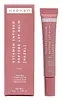 Key Ingredients
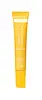
Benefits
Concerns
Ingredients Side-by-side
Hydrogenated Polyisobutene
EmollientHelianthus Annuus Flower
Skin ConditioningOlive Oil PEG-7 Esters
Emollient

Synthetic Wax
Abrasive

Caprylic/Capric Triglyceride
Masking


Propylene Glycol
Humectant

Paraffin
Skin ConditioningSqualane
Emollient
Polyurethane-79
Glycol Montanate
EmulsifyingTocotrienols
Skin Conditioning
Linoleic Acid
Cleansing


Tripeptide-1
Skin Conditioning
Hexapeptide-9
Skin Conditioning
Palmitoyl Tripeptide-5
Skin Conditioning
Palmitoyl Pentapeptide-4
Skin Conditioning
Palmitoyl Tetrapeptide-7
Skin Conditioning
Butyrospermum Parkii Butter
Skin Conditioning
Tapioca Starch
Vanillin
Masking

Caprylyl Glycol
Emollient
Sucralose
Skin ConditioningGlycerin
Humectant
Water
Skin ConditioningPolysorbate 20
Emulsifying
CI 77891
Cosmetic ColorantCI 77499
Cosmetic ColorantCI 77492
Cosmetic ColorantCI 45410
Cosmetic ColorantCI 45380
Cosmetic ColorantHydrogenated Polyisobutene, Helianthus Annuus Flower, Olive Oil PEG-7 Esters, Synthetic Wax, Caprylic/Capric Triglyceride, Propylene Glycol, Paraffin, Squalane, Polyurethane-79, Glycol Montanate, Tocotrienols, Linoleic Acid, Tripeptide-1, Hexapeptide-9, Palmitoyl Tripeptide-5, Palmitoyl Pentapeptide-4, Palmitoyl Tetrapeptide-7, Butyrospermum Parkii Butter, Tapioca Starch, Vanillin, Caprylyl Glycol, Sucralose, Glycerin, Water, Polysorbate 20, CI 77891, CI 77499, CI 77492, CI 45410, CI 45380
Helianthus Annuus Seed Oil
Emollient
Hydrogenated Polyisobutene
EmollientEthylhexyl Methoxycinnamate
UV Absorber

Diisostearyl Malate
EmollientPolyglyceryl-3 Diisostearate
Emulsifying
Ethylhexyl Triazone
UV Absorber
Glyceryl Behenate/Eicosadioate
Emollient
Polyethylene
Abrasive
Caprylic/Capric Triglyceride
Masking
Kojic Dipalmitate
Emollient
Aroma

Tocotrienols
Skin Conditioning
Punica Granatum Seed Oil
Emollient
Butyrospermum Parkii Butter
Skin Conditioning
Persea Gratissima Oil
Skin Conditioning
Ascorbyl Palmitate
Antioxidant


Tocopherol
Antioxidant
Lecithin
Emollient
Paraffin
Skin ConditioningGlycol Montanate
EmulsifyingSynthetic Wax
Abrasive
Caprylyl Glycol
Emollient
Vanillin
Masking
Sucralose
Skin ConditioningHelianthus Annuus Seed Oil, Hydrogenated Polyisobutene, Ethylhexyl Methoxycinnamate, Diisostearyl Malate, Polyglyceryl-3 Diisostearate, Ethylhexyl Triazone, Glyceryl Behenate/Eicosadioate, Polyethylene, Caprylic/Capric Triglyceride, Kojic Dipalmitate, Aroma, Tocotrienols, Punica Granatum Seed Oil, Butyrospermum Parkii Butter, Persea Gratissima Oil, Ascorbyl Palmitate, Tocopherol, Lecithin, Paraffin, Glycol Montanate, Synthetic Wax, Caprylyl Glycol, Vanillin, Sucralose
Ingredients Explained
These ingredients are found in both products.
Ingredients higher up in an ingredient list are typically present in a larger amount.
This ingredient is also known as shea butter. It is a plant-derived extract from the nuts of the Africa shea tree and one of the most well-studied emollients.
Because it has a high concentration of fatty acids (primarily oleic, stearic, and linoleic) it is able to form a protective barrier on the skin's surface. This helps seal in moisture and prevents transepidermal water loss (TEWL).
In vitro research found an increase in skin hydration by 58% and a decrease in TEWL by 37.8% after 24 hours of applying this ingredient (pretty impressive for a single ingredient!).
Besides hydration, shea butter also contains triterpenes that have anti-inflammatory potential. In particule, lupeol cinnamate has shown the highest anti-inflammatory activity in vivo.
Shea butter also contains vitamins A and E which may contribute to antioxidant activity.
While Shea Butter has an SPF rating of about 3-4, it is not a sunscreen replacement.
This ingredient may not be fungal acne safe because its fatty acids fall within the C11-C24 range that the Malassezia yeast can metabolize.
Learn more about Butyrospermum Parkii ButterCaprylic/Capric Triglyceride (aka MCT Oil) is a lightweight emollient, solvent, and texture enhancer. It is considered a skin-softener by helping to prevent moisture loss.
Though it behaves like an oil, it is not technically one due to its chemical composition. One perk of this ingredient is that it is very stable, resistant to oxidation, and unlikely to go rancid.
In practice, that translates to a long shelf life and a consistently elegant skin feel.
While there is an assumption Caprylic Triglyceride can clog pores due to it being derived from coconut oil, there is no research supporting this. Just patch test if you have concerns.
Fractionated coconut oil and MCT Oil are both listed as Caprylic/Capric Triglyceride according to INCI. This is because INCI names are based on the ingredient’s final chemical composition and not its marketing name or source.
This ingredient is treated as the gold standard fungal acne safe oil. Even though it is coconut derived, the problematic lauric acid is stripped out.
This leaves just caprylic (C8) and capric (C10) acid. These chain lengths actually trend antifungal; a 2020 study found caprylic acid was enough to disrupt Malassezia furfur cell membrane, with a caprylic acid derivative damaging membrane structures at concentrations as low as 0.2%.
Learn more about Caprylic/Capric TriglycerideCaprylyl Glycol is a humectant, skin conditioner, emollient, and preservative booster derived from either caprylic acid or synthetically created.
Typical use levels vary from 0.3-1% as a preservative booster and go up to 2% to condition skin.
Because it is not a free-fatty acid, this ingredient is fungal acne safe (there's nothing for Malassezia to feed on).
Learn more about Caprylyl GlycolWe don't have a description for Glycol Montanate yet.
Hydrogenated Polyisobutene is a synthetic polymer. Polymers are compounds with high molecular weight. Hydrogenated Polyisobutene is an emollient and texture enhancer.
In one study, Hydrogenated Polyisobutene showed better skin hydration levels than Caprylic/Capric Triglyceride. As an emollient, it helps keep your skin soft and hydrated by trapping moisture in.
Hydrogenated Polyisobutene is often used as a mineral oil replacement.
Learn more about Hydrogenated PolyisobuteneParaffin is a solid wax that pulls its weight as an emollient, occlusive, and consistency-booster.
It softens skin and lays down a protective film to slow water loss and gives products a stable body and structure.
The cosmetic grade stuff is highly refined with a solid safety record. The CIR Expert Panel has repeatedly reaffirmed this ingredient to be safe in current practices of use and concentration.
The worry about carcinogenic compounds only applies to industrial grades, not the purified version used in skincare.
Despite its reputation, the highly reformed form is non-comedogenic and doesn't penetrate deeply into skin.
The good news for fungal-acne prone folks: the Malassezia yeast feeds on fatty acids and lipids and paraffin doesn't contain any of these (so there's nothing for the yeast to metabolize). This ingredient is considered fungal acne safe.
Learn more about ParaffinWe don't have a description for Sucralose yet.
Synthetic Wax is a manufactured hydrocarbon wax. In formulas, it works as an occlusive emollient that helps reduce water loss and improves the spreadability of products.
Research comparing synthetic wax to traditional mineral-derived products found that formulas containing it perform as well for skin hydration.
It is considered non-comedogenic and vegan-friendly.
This ingredient has a well-established safety record by the CIR Expert Panel for Cosmetic Ingredient Safety.
Synthetic Waxes are straight/branched-chain hydrocarbons with no ester bond or fatty acids. That means there is nothing for the Malassezia yeast to feed on.
Learn more about Synthetic WaxTocotrienols are a lesser known form of Vitamin E with skin conditioning and UV absorbing properties.
The most common form of Vitamin E in skincare is Tocopherol. Tocotrienols have a slightly different molecular structure; their "tail" is more flexible and unsaturated. This actually helps them absorb into skin more easily and integrate into cell membranes more efficiently.
Research suggests tocotrienols can help with several signs of skin aging, including:
There are four types of tocotrienols: alpha, beta, gamma, and delta.
Fun fact: You can find tocotrienols in ingredients like rice bran oil, palm oil, anatto beans, oats, and hazelnuts.
Learn more about TocotrienolsVanillin is the main compound of the vanilla bean. It is naturally occuring but can also be artificially created.
This ingredient exhibits antioxidant properties but is also a known skin-irritant.
Vanillism is the term of contact-dermatitis associated with the vanilla plant. The sap of the vanilla plant triggers skin irritation, swelling, and redness.
Learn more about Vanillin
