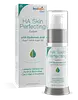
This oil-control moisturizer is formulated around Argania Spinosa Kernel Oil and Serenoa Serrulata Fruit Extract to balance excess oil and hydrate skin.
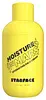
This oil-control moisturizer is formulated around Caprylic/Capric Triglyceride and Zinc Gluconate to balance excess oil and hydrate skin.

What's inside
What's inside
 Key Ingredients
Benefits
Concerns
Ingredients Side-by-side
Water
Skin ConditioningArgania Spinosa Kernel Oil
Emollient







Serenoa Serrulata Fruit Extract
Skin Conditioning
Sesamum Indicum Seed Extract
Skin Conditioning
Beta-Sitosterol
Emulsion Stabilising
Tocopherol
Antioxidant




Cetearyl Olivate
Sorbitan Olivate
Emulsifying
Leuconostoc/Radish Root Ferment Filtrate
Antimicrobial
Lactobacillus
Skin ConditioningCocos Nucifera Fruit Extract
Emollient
Glycerin
Humectant
Sodium Hyaluronate
Humectant
Aloe Barbadensis Leaf Extract
Emollient
Chamomilla Recutita Extract
Skin Conditioning
Camellia Sinensis Leaf Extract
Antimicrobial
Palmaria Palmata Extract
Skin Protecting

Xanthan Gum
EmulsifyingWater, Argania Spinosa Kernel Oil, Serenoa Serrulata Fruit Extract, Sesamum Indicum Seed Extract, Beta-Sitosterol, Tocopherol, Cetearyl Olivate, Sorbitan Olivate, Leuconostoc/Radish Root Ferment Filtrate, Lactobacillus, Cocos Nucifera Fruit Extract, Glycerin, Sodium Hyaluronate, Aloe Barbadensis Leaf Extract, Chamomilla Recutita Extract, Camellia Sinensis Leaf Extract, Palmaria Palmata Extract, Xanthan Gum
Water
Skin ConditioningIsononyl Isononanoate
EmollientCaprylic/Capric Triglyceride
Masking
Cetearyl Olivate
C14-22 Alcohols
Emulsion Stabilising
Sorbitan Olivate
Emulsifying
Ethylhexylglycerin
Skin ConditioningC12-20 Alkyl Glucoside
EmulsifyingSilica
Abrasive
Xanthan Gum
EmulsifyingGlycerin
Humectant
Tocopheryl Acetate
Antioxidant
Butylene Glycol
Humectant
Aloe Barbadensis Leaf Extract
Emollient
Tocopherol
Antioxidant
Sodium Hyaluronate
Humectant
Magnesium Aspartate
Skin ConditioningZinc Gluconate
Skin Conditioning

Phenoxyethanol
Preservative
Ocimum Sanctum Leaf Extract
Skin ConditioningSalvia Officinalis Leaf Extract
CleansingCopper Gluconate
Skin Conditioning
Sodium Benzoate
Masking
Potassium Sorbate
Preservative
Panax Ginseng Root Extract
Emollient
Chenopodium Quinoa Seed Extract
Skin Conditioning
Daucus Carota Sativa Root Extract
Skin Conditioning
Glycine Max Seed Extract
Skin ConditioningOryza Sativa Extract
Absorbent
Water, Isononyl Isononanoate, Caprylic/Capric Triglyceride, Cetearyl Olivate, C14-22 Alcohols, Sorbitan Olivate, Ethylhexylglycerin, C12-20 Alkyl Glucoside, Silica, Xanthan Gum, Glycerin, Tocopheryl Acetate, Butylene Glycol, Aloe Barbadensis Leaf Extract, Tocopherol, Sodium Hyaluronate, Magnesium Aspartate, Zinc Gluconate, Phenoxyethanol, Ocimum Sanctum Leaf Extract, Salvia Officinalis Leaf Extract, Copper Gluconate, Sodium Benzoate, Potassium Sorbate, Panax Ginseng Root Extract, Chenopodium Quinoa Seed Extract, Daucus Carota Sativa Root Extract, Glycine Max Seed Extract, Oryza Sativa Extract
Ingredients Explained
These ingredients are found in both products.
Ingredients higher up in an ingredient list are typically present in a larger amount.
Aloe Barbadensis Leaf Extract is a botanical extract pulled from the leaves of aloe vera and one of the most studied plant ingredients in cosmetics.
The inner leaf gel it comes from is mostly water (~99-99.5%) and the remaining fraction is made up of pretty good stuff: polysaccharides, vitamins, phenolics, and enzymes.
Its headline job is hydration.
The star polysaccharide in aloe, acemannan, is a humectant that retains moisture and helps reduce trans-epidermal water loss.
Aloe also has real soothing credentials; it contains anti-inflammatory compounds like bradykinase and C-glucosyl chromone that help calm irritation and redness.
On the repair side, lab work shows that acemannan wakes up your skin's repair cells (fibroblasts), prompting them to multiply and speed up healing.
There's some human data for cosmetic benefit too: a cream containing 10% Aloe Barbadensis leaf extract improved skin hydration and elasticity in a real-use study.
Safety-wise, this ingredient is well-regarded with just one rare downside; there have been some case reports of acute eczema, contact urticaria, and dermatitis in people who applied aloe-derived ingredients topically. Those with a known aloe or Liliaceae sensitivity should patch test.
Typical use levels range widely, from under 1% up to 90%+ depending on the format and the effect you are after.
Learn more about Aloe Barbadensis Leaf ExtractCetearyl Olivate is a plant-derived emulsifier and texture enhancer. It helps keep the oil and water phases from separating so your formulas stay stable.
You'll likely see it combined with Sorbitan Olivate (together sold as the trade name Olivem 1000). This combination generates a liquid crystal structure that closely resemble the lipid organization of the stratum corneum.
These "skin-like" liquid crystals improve skin barrier integrity and promote the delivery of actives into the skin.
This ingredient is well-tolerated and has no significant sensitization data.
Because it is derived from the fatty acids in olive oil, this ingredient may not be fungal acne safe.
Learn more about Cetearyl OlivateGlycerin (or glycerol) is a compound naturally found in your skin. It's a powerhouse humectant that pulls water into the stratum corneum.
Topically, glycerin does several things at once:
Your skin makes glycerin on its own (mostly from sebaceous oil breakdown) and shuttles it to your outermost layer of skin, or your epidermis, via aquaporin-3.
Aquaporin-3 is a transporter that is essential for normal skin hydration, elasticity, and repair. Interestingly, mice lacking in AQP3 have dry and less elastic skin that can be fully corrected with glycerin.
This ingredient is non-irritating, plays well with almost every ingredient, and works across all skin types. Typical use is anywhere between 3-10% but can go up to 79% in some leave-on products.
Just know very high concentrations (>40%) can feel tacky in low humidity.
Glycerin is the name for this ingredient in American English. British English uses Glycerol/Glycerine.
Learn more about GlycerinSodium Hyaluronate is the salt form of hyaluronic acid. It is a long sugar chain that is naturally found in your skin, joints, and connective tissue that maintains hydration and elasticity.
In skincare, it works as a humectant. It pulls water from the environment and deeper layers of skin and binds it to the surface.
Interestingly, the size of the molecule affects its behavior:
Some clinical evidence links low molecular weight versions to improved wrinkle depth, elasticity, anti-inflammatory effects, and barrier repair.
Many serums use a blend of both weights so you can get surface hydration plus longer-lasting and deeper effects.
You'll typically see concentrations between 0.1-2% for this ingredient.
Learn more about Sodium HyaluronateSorbitan Olivate is created from the fatty acids in olive oil and sorbitol.
This ingredient is an oil in water emulsifier. It helps stabilize a product by preventing oils and waters from separating. Sorbitan Olivate also helps hydrate the skin.
This ingredient is also known as part of Olivem 1000, with Cetearyl Olivate being the other part.
According to a manufacturer, this ingredient helps preserve the natural microbiome of skin. Having a healthy microbiome helps keep our skin healthy and protects against harmful bacteria.
Please note, having a healthy microbiome is different from fungal acne; a healthy microbiome includes small amounts of yeast that normally live on your skin without causing problems.
Fungal acne happens when one type of yeast (Malassezia) grows out of control. This is usually because it's feeding on certain oils or fatty acids. Due to the olive oil base, this ingredient may not be fungal acne safe.
Learn more about Sorbitan OlivateTocopherol is a fat-soluble antioxidant known as Vitamin E.
You'll find this ingredient in the vast majority of skincare (for good reason). It works to neutralize free radicals, or unstable molecules generated by UV exposure, pollution, and other environmental stressors, before they can cause oxidative damage to your skin cells.
Topically applied tocopherol has been shown to protect against UV damage by ramping up the skin's own natural defense enzymes.
It also acts as a skin conditioning agent; some studies show that regular topical use can improve the skin's water-binding capacity over 2-4 weeks.
This ingredient is especially loved for being a team player. When combined with Vitamin C, the photoprotective effect of both ingredients roughly doubles and the combo also helps reduce UV-induced DNA damage.
This ingredient has some brightening potential but it's more of a prevention ingredient than spot-fader. Cell studies show it can slow down melanin production but it's worth noting that it's not the most powerful brightener out there.
In formulations, it also serves as a stabilizer that helps protect other oxidation-prone ingredients from degrading.
Concentrations usually range from 0.1-1% in most leave-on products.
Learn more about TocopherolWater. It's the most common cosmetic ingredient of all. You'll usually see it at the top of ingredient lists, meaning that it makes up the largest part of the product.
So why is it so popular? Water most often acts as a solvent - this means that it helps dissolve other ingredients into the formulation.
You'll also recognize water as that liquid we all need to stay alive. If you see this, drink a glass of water. Remember to stay hydrated!
Learn more about WaterXanthan gum is used as a stabilizer and thickener within cosmetic products. It helps give products a sticky, thick feeling - preventing them from being too runny.
On the technical side of things, xanthan gum is a polysaccharide - a combination consisting of multiple sugar molecules bonded together.
Xanthan gum is a pretty common and great ingredient. It is a natural, non-toxic, non-irritating ingredient that is also commonly used in food products.
Learn more about Xanthan Gum

