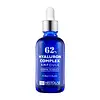
This hydrating ampoule is formulated around Aloe Barbadensis Leaf Juice and Sodium Hyaluronate to hydrate skin and calm redness.
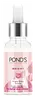
This brightening serum is formulated around Niacinamide and 3-O-Ethyl Ascorbic Acid to brighten dull-looking skin and fade the look of dark spots.


What's inside
What's inside
 Key Ingredients
Benefits
Concerns
Ingredients Side-by-side
Water
Skin ConditioningButylene Glycol
Humectant

1,2-Hexanediol
Skin Conditioning
Aloe Barbadensis Leaf Juice
Skin Conditioning

Citrus Paradisi Fruit Extract
Skin ConditioningNelumbo Nucifera Flower Water
TonicRosa Centifolia Flower Water
Skin ConditioningSodium PCA
Humectant
Sodium Hyaluronate
Humectant

Snail Secretion Filtrate
Skin Conditioning

Dipotassium Glycyrrhizate
Humectant
Ethyl Hexanediol
SolventPolysorbate 20
Emulsifying

Lecithin
Emollient
Nicotinoyl Hexapeptide-44
Antioxidant

Sh-Oligopeptide-1
Skin Conditioning
Sh-Polypeptide-1
Skin Conditioning
Sh-Polypeptide-16
Skin Protecting
Sh-Polypeptide-4
Antioxidant
Water, Butylene Glycol, 1,2-Hexanediol, Aloe Barbadensis Leaf Juice, Citrus Paradisi Fruit Extract, Nelumbo Nucifera Flower Water, Rosa Centifolia Flower Water, Sodium PCA, Sodium Hyaluronate, Snail Secretion Filtrate, Dipotassium Glycyrrhizate, Ethyl Hexanediol, Polysorbate 20, Lecithin, Nicotinoyl Hexapeptide-44, Sh-Oligopeptide-1, Sh-Polypeptide-1, Sh-Polypeptide-16, Sh-Polypeptide-4
Water
Skin ConditioningGlycerin
Humectant
Dimethicone
Emollient
Pentylene Glycol
Skin Conditioning
Niacinamide
Smoothing






Butylene Glycol
Humectant
Caprylic/Capric Triglyceride
Masking
Polysorbate 20
Emulsifying
Tocopheryl Acetate
Antioxidant
Cystine
MaskingGlycine
Buffering
Sodium PCA
Humectant
Sodium Acetylated Hyaluronate
Humectant
3-O-Ethyl Ascorbic Acid
Skin Conditioning
Sodium Hyaluronate
Humectant
Sodium Hyaluronate Crosspolymer
Humectant
Hydrolyzed Sodium Hyaluronate
Skin Conditioning
Bifida Ferment Lysate
Skin Conditioning
Ammonium Acryloyldimethyltaurate/Vp Copolymer
Xanthan Gum
EmulsifyingAmmonium Acryloyldimethyltaurate/Beheneth-25 Methacrylate Crosspolymer
Emulsion StabilisingPhenoxyethanol
Preservative
Allantoin
Skin Conditioning
Methylparaben
Preservative


Stearic Acid
Cleansing
Propylparaben
Preservative
Parfum
Masking


Disodium EDTA
ChelatingCitric Acid
Buffering
Sodium Hydroxide
BufferingBHT
Antioxidant
T-Butyl Alcohol
Perfuming

Cetyl Alcohol
Emollient
Sodium Carbonate
BufferingEthylhexylglycerin
Skin ConditioningSodium Chloride
MaskingSodium Benzoate
Masking
Sodium Sulfate
CI 19140
Cosmetic ColorantWater, Glycerin, Dimethicone, Pentylene Glycol, Niacinamide, Butylene Glycol, Caprylic/Capric Triglyceride, Polysorbate 20, Tocopheryl Acetate, Cystine, Glycine, Sodium PCA, Sodium Acetylated Hyaluronate, 3-O-Ethyl Ascorbic Acid, Sodium Hyaluronate, Sodium Hyaluronate Crosspolymer, Hydrolyzed Sodium Hyaluronate, Bifida Ferment Lysate, Ammonium Acryloyldimethyltaurate/Vp Copolymer, Xanthan Gum, Ammonium Acryloyldimethyltaurate/Beheneth-25 Methacrylate Crosspolymer, Phenoxyethanol, Allantoin, Methylparaben, Stearic Acid, Propylparaben, Parfum, Disodium EDTA, Citric Acid, Sodium Hydroxide, BHT, T-Butyl Alcohol, Cetyl Alcohol, Sodium Carbonate, Ethylhexylglycerin, Sodium Chloride, Sodium Benzoate, Sodium Sulfate, CI 19140
Reviews
Ingredients Explained
These ingredients are found in both products.
Ingredients higher up in an ingredient list are typically present in a larger amount.
Butylene Glycol (or BG) is used within cosmetic products for a few different reasons:
Overall, Butylene Glycol is a safe and well-rounded ingredient that works well with other ingredients.
Though this ingredient works well with most skin types, some people with sensitive skin may experience a reaction such as allergic rashes, closed comedones, or itchiness.
Learn more about Butylene GlycolPolysorbate 20 is a gentle, water-soluble emulsifier and mild surfactant. It stops oil and water from separating to keep your formulas blended and stable.
It also acts as a mild penetration enhancer by helping active ingredients absorb slightly better.
The common safety discussion around this ingredient involves a manufacturing byproduct called 1,4-dioxane.
Trace amounts can form during production but the EU's Scientific Committee on Consumer Safety has concluded that levels at/below 10 ppm in finished products are safe (commercial products consistently fall within acceptable margins).
True allergic reactions are uncommon and the CIR Expert Panel has confirmed this ingredient to be safe as used in cosmetics.
Because it is derived from lauric acid, it may not be fungal acne safe.
Learn more about Polysorbate 20Sodium Hyaluronate is the salt form of hyaluronic acid. It is a long sugar chain that is naturally found in your skin, joints, and connective tissue that maintains hydration and elasticity.
In skincare, it works as a humectant. It pulls water from the environment and deeper layers of skin and binds it to the surface.
Interestingly, the size of the molecule affects its behavior:
Some clinical evidence links low molecular weight versions to improved wrinkle depth, elasticity, anti-inflammatory effects, and barrier repair.
Many serums use a blend of both weights so you can get surface hydration plus longer-lasting and deeper effects.
You'll typically see concentrations between 0.1-2% for this ingredient.
Learn more about Sodium HyaluronateSodium PCA (the salt of PCA) is one of the most well-established humectants in skincare.
Why is it so special? Your skin already makes it naturally; it's a natural component of your skin's Natural Moisturizing Factor (NMF), or the mix of water-binding compounds inside your skin cells that keeps things soft and hydrated.
As a cosmetic ingredient, it grabs water and holds it in the upper layers of skin to smooth roughness and ease dehydration.
There's some clinical support for the NMF approach with a study showing that a cream built to mimic the skin's NMF significantly boosted hydration.
Safety-wise, this ingredient non-irritating, non-comedogenic, and non-phototoxic in testing, with minimal skin absorption.
It also works really well with other hydrators like glycerin or hyaluronic acid, and typical usage is somewhere between 0.2-4%.
Learn more about Sodium PCAWater. It's the most common cosmetic ingredient of all. You'll usually see it at the top of ingredient lists, meaning that it makes up the largest part of the product.
So why is it so popular? Water most often acts as a solvent - this means that it helps dissolve other ingredients into the formulation.
You'll also recognize water as that liquid we all need to stay alive. If you see this, drink a glass of water. Remember to stay hydrated!
Learn more about Water

