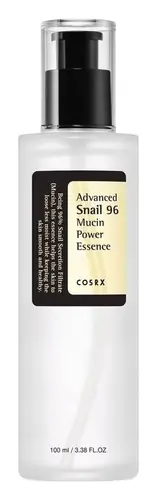
This acne serum is formulated around Propolis Extract and Beta-Glucan to clear breakouts and calm redness.
This anti-aging serum is formulated around Resveratrol and Ascorbyl Tetraisopalmitate to soften the look of wrinkles and brighten dull-looking skin.


What's inside
What's inside
 Key Ingredients
Benefits
Concerns
Ingredients Side-by-side
Water
Skin ConditioningPropanediol
Solvent

Propolis Extract
Skin Conditioning




Glycerin
Humectant
Sodium Lactate
Buffering
Xylitylglucoside
Humectant
Sodium Cocoyl Amino Acids
Cleansing
Sodium Hyaluronate
Humectant

Anhydroxylitol
Humectant
Honey Extract
Humectant
Beta-Glucan
Skin Conditioning
Lonicera Japonica Flower Extract
Skin ConditioningCamellia Sinensis Leaf Extract
Antimicrobial



Ceratonia Siliqua Gum
EmollientXanthan Gum
EmulsifyingSarcosine
Skin Conditioning
Lactic Acid
Buffering





Xylitol
Humectant
Lonicera Caprifolium Flower Extract
Perfuming
Propylene Glycol
Humectant
1,2-Hexanediol
Skin Conditioning
Caprylyl Glycol
Emollient
Sodium Phytate
ChelatingBoswellia Serrata Extract
Skin Conditioning
Aloe Barbadensis Leaf Juice Powder
Skin Conditioning
Elettaria Cardamomum Seed Extract
Perfuming
Pistacia Lentiscus Gum
MaskingMagnesium Aspartate
Skin ConditioningPotassium Aspartate
Skin ConditioningWater, Propanediol, Propolis Extract, Glycerin, Sodium Lactate, Xylitylglucoside, Sodium Cocoyl Amino Acids, Sodium Hyaluronate, Anhydroxylitol, Honey Extract, Beta-Glucan, Lonicera Japonica Flower Extract, Camellia Sinensis Leaf Extract, Ceratonia Siliqua Gum, Xanthan Gum, Sarcosine, Lactic Acid, Xylitol, Lonicera Caprifolium Flower Extract, Propylene Glycol, 1,2-Hexanediol, Caprylyl Glycol, Sodium Phytate, Boswellia Serrata Extract, Aloe Barbadensis Leaf Juice Powder, Elettaria Cardamomum Seed Extract, Pistacia Lentiscus Gum, Magnesium Aspartate, Potassium Aspartate
Water
Skin ConditioningGlycerin
Humectant
1,2-Hexanediol
Skin Conditioning
Cellulose
Absorbent
Ethylhexyl Polyhydroxystearate
EmollientResveratrol
Antioxidant
Squalane
Emollient
Sodium Acrylates Copolymer
Ascorbyl Tetraisopalmitate
Antioxidant

Oryza Sativa Bran Oil
Emollient
Maltitol
HumectantLeontopodium Alpinum Callus Culture Extract
Antioxidant
Xylitylglucoside
Humectant
Lecithin
Emollient
Anhydroxylitol
Humectant
Citric Acid
Buffering
Xylitol
Humectant
Hydrolyzed Rice Protein
Skin ConditioningMaltodextrin
Absorbent
Sodium Hyaluronate
Humectant
Sodium Hydroxide
BufferingO-Cymen-5-Ol
Antimicrobial
Punica Granatum Extract
AstringentSodium Phytate
ChelatingGlucose
Humectant
Xanthan Gum
EmulsifyingCamellia Sinensis Leaf Extract
Antimicrobial
Hydrogenated Lecithin
Emulsifying
Tocopheryl Acetate
Antioxidant
Alanyl Glutamine
HumectantArginine
Masking
Oligopeptide-177

Potassium Sorbate
Preservative
Sodium Chloride
MaskingPhenylalanine
Masking
Sisymbrium Irio Seed Oil
Masking
Water, Glycerin, 1,2-Hexanediol, Cellulose, Ethylhexyl Polyhydroxystearate, Resveratrol, Squalane, Sodium Acrylates Copolymer, Ascorbyl Tetraisopalmitate, Oryza Sativa Bran Oil, Maltitol, Leontopodium Alpinum Callus Culture Extract, Xylitylglucoside, Lecithin, Anhydroxylitol, Citric Acid, Xylitol, Hydrolyzed Rice Protein, Maltodextrin, Sodium Hyaluronate, Sodium Hydroxide, O-Cymen-5-Ol, Punica Granatum Extract, Sodium Phytate, Glucose, Xanthan Gum, Camellia Sinensis Leaf Extract, Hydrogenated Lecithin, Tocopheryl Acetate, Alanyl Glutamine, Arginine, Oligopeptide-177, Potassium Sorbate, Sodium Chloride, Phenylalanine, Sisymbrium Irio Seed Oil
Ingredients Explained
These ingredients are found in both products.
Ingredients higher up in an ingredient list are typically present in a larger amount.
1,2-Hexanediol is a synthetic liquid and another multi-functional powerhouse.
It is a:
- Humectant, drawing moisture into the skin
- Emollient, helping to soften skin
- Solvent, dispersing and stabilizing formulas
- Preservative booster, enhancing the antimicrobial activity of other preservatives
This ingredient is created from dehydrating xylitol in acidic conditions. Xylitol is a famous sugar and humectant.
Much like its predecessor, anhydroxylitol is a humectant. Humectants attract and hold water to moisturize the skin.
This ingredient is most commonly found in a popular trio called Aquaxyl. Aquaxyl is made up of anhydroxylitol (24 - 34%), xylitylglucoside (35 - 50%), and xylitol (5 - 15%).
According to a manufacturer, Aquaxyl is known for a 3-D hydration concept and an anti-dehydration shield to reinforce the outer layer of skin.
This ingredient is often derived from plants such as wood and sugarcane.
Learn more about AnhydroxylitolCamellia Sinensis Leaf Extract (tea extract) is one of the most well-researched plant extracts in skincare with an impressive resume.
Black tea, green tea, and oolong tea are all harvested from the Camellia Sinensis plant.
Studies show green tea extract and its catechins (like epigallocatechin gallate (EGCG)) help your skin cells product energy more efficiently and reducing the number of free-radicals that can damage your skin from the inside.
In lab-grown skin models, this translated to younger, healthier, and stronger skin.
There's also good sun protection data; researchers saw less DNA damage and redness on human skin when green tea was applied before UVB exposure. And the more they applied, the better the protection.
Needless to say, this ingredient shouldn't replace your sunscreen. But it is a great supportive ingredient that you can already find in many sunscreens and antioxidant serums.
A 2009 study found a 2% green tea lotion was effective for mild-to-moderate acne thanks to its anti-inflammatory and mild antimicrobial activity.
The quality of the extract matters a lot here:
Good extracts contain 50-90% catechins while lower quality ones are mostly there for marketing. We recommend reaching out to the brand if you have questions about the quality or source of their ingredients.
Human Repeated Insult Patch Testing showed no irritation or sensitization at use concentrations (0.86% in leave-on products and up to 30% as leaf water).
Learn more about Camellia Sinensis Leaf ExtractGlycerin (or glycerol) is a compound naturally found in your skin. It's a powerhouse humectant that pulls water into the stratum corneum.
Topically, glycerin does several things at once:
Your skin makes glycerin on its own (mostly from sebaceous oil breakdown) and shuttles it to your outermost layer of skin, or your epidermis, via aquaporin-3.
Aquaporin-3 is a transporter that is essential for normal skin hydration, elasticity, and repair. Interestingly, mice lacking in AQP3 have dry and less elastic skin that can be fully corrected with glycerin.
This ingredient is non-irritating, plays well with almost every ingredient, and works across all skin types. Typical use is anywhere between 3-10% but can go up to 79% in some leave-on products.
Just know very high concentrations (>40%) can feel tacky in low humidity.
Glycerin is the name for this ingredient in American English. British English uses Glycerol/Glycerine.
Learn more about GlycerinSodium Hyaluronate is the salt form of hyaluronic acid. It is a long sugar chain that is naturally found in your skin, joints, and connective tissue that maintains hydration and elasticity.
In skincare, it works as a humectant. It pulls water from the environment and deeper layers of skin and binds it to the surface.
Interestingly, the size of the molecule affects its behavior:
Some clinical evidence links low molecular weight versions to improved wrinkle depth, elasticity, anti-inflammatory effects, and barrier repair.
Many serums use a blend of both weights so you can get surface hydration plus longer-lasting and deeper effects.
You'll typically see concentrations between 0.1-2% for this ingredient.
Learn more about Sodium HyaluronateSodium Phytate is the sodium salt of Phytic acid, a compound that plants store phosphorus in. It's the plant-derived alternative to ingredients like Disodium EDTA.
In skincare, this ingredient is a chelator that grabs onto trace metal ions like iron and copper that sneak into formulas through water/raw materials.
Those metals speed up oxidation so binding them keeps oils, fragrance, and actives from going off, stops color changes, and helps the preservative system work harder.
Survey data shows usage levels range from 0.0099%-0.5% in leave-on products, 0.025%-0.3% in rinse-off, and up to 0.05% in eye-area products. Suppliers typically recommend a range between 0.05-0.5%.
Learn more about Sodium PhytateWater. It's the most common cosmetic ingredient of all. You'll usually see it at the top of ingredient lists, meaning that it makes up the largest part of the product.
So why is it so popular? Water most often acts as a solvent - this means that it helps dissolve other ingredients into the formulation.
You'll also recognize water as that liquid we all need to stay alive. If you see this, drink a glass of water. Remember to stay hydrated!
Learn more about WaterXanthan gum is used as a stabilizer and thickener within cosmetic products. It helps give products a sticky, thick feeling - preventing them from being too runny.
On the technical side of things, xanthan gum is a polysaccharide - a combination consisting of multiple sugar molecules bonded together.
Xanthan gum is a pretty common and great ingredient. It is a natural, non-toxic, non-irritating ingredient that is also commonly used in food products.
Learn more about Xanthan GumXylitol is a humectant and prebiotic. It can help with dry skin.
In studies, xylitol has been shown to improve dry skin. It decreased transepidermal water loss, or when water passes through the skin and evaporates. Xylitol also showed to help improve the biomechanical properties of the skin barrier.
The prebiotic property of xylitol may also help reinforce our skin's natural microbiome. Having a healthy microbiome prevents infection by bad bacteria and helps with hydration.
As a humectant, Xylitol helps draw moisture from both the air and from deeper skin layers. This helps keep skin hydrated.
Xylitol is a sugar alcohol and commonly used as a sugar substitute. It is naturally occurring in plants such as strawberries and pumpkin.
Learn more about XylitolXylitylglucoside is created from xylitol and glucose, two humectants.
Not surprisingly, this ingredient is also a humectant. It attracts and holds water in your skin, helping to maintain hydration.
This ingredient is most commonly found in a popular trio called Aquaxyl. Aquaxyl is made up of anhydroxylitol(24 - 34%), xylitylglucoside (35 - 50%), and xylitol (5 - 15%).
According to a manufacturer, Aquaxyl is known for a 3-D hydration concept and an anti-dehydration shield to reinforce the outer layer of skin.
Learn more about Xylitylglucoside