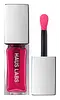
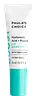
Haus Labs By Lady Gaga PhD Hybrid Lip Oil Versus Paula's Choice Boost Hyaluronic Acid + Peptide Lip Booster
This anti-aging lip moisturizer is formulated around Sodium Hyaluronate and Palmitoyl Tripeptide-1 to soften the look of wrinkles and hydrate lips.

What's inside
What's inside
 Key Ingredients
Benefits
Concerns
Ingredients Side-by-side
Polybutene
Octyldodecanol
Emollient
Diisopropyl Sebacate
EmollientCaprylic/Capric Triglyceride
Masking


Opuntia Ficus-Indica Seed Oil
Emollient


Sr-Hydrozoan Polypeptide-1
Humectant
Portulaca Pilosa Extract
Skin ConditioningPalmitoyl Tripeptide-38
Skin Conditioning

Squalane
Emollient
Sucrose Cocoate
Emulsifying

Cetearyl Ethylhexanoate
Emollient
Sorbitan Isostearate
Emulsifying
Ethyl Vanillin
MaskingWater
Skin ConditioningSebacic Acid
BufferingPhenoxyethanol
Preservative
Potassium Sorbate
Preservative
CI 45410
Cosmetic ColorantCI 17200
Cosmetic ColorantCI 15850
Cosmetic ColorantCI 19140
Cosmetic ColorantCI 15985
Cosmetic ColorantPolybutene, Octyldodecanol, Diisopropyl Sebacate, Caprylic/Capric Triglyceride, Opuntia Ficus-Indica Seed Oil, Sr-Hydrozoan Polypeptide-1, Portulaca Pilosa Extract, Palmitoyl Tripeptide-38, Squalane, Sucrose Cocoate, Cetearyl Ethylhexanoate, Sorbitan Isostearate, Ethyl Vanillin, Water, Sebacic Acid, Phenoxyethanol, Potassium Sorbate, CI 45410, CI 17200, CI 15850, CI 19140, CI 15985
Diisostearyl Malate
EmollientHydrogenated Castor Oil/Sebacic Acid Copolymer
Emollient
Theobroma Cacao Seed Butter
Emollient

Dipentaerythrityl Tetrabehenate/Polyhydroxystearate
HumectantPolyamide-8
EmollientPolyglyceryl-3 Beeswax
Emulsifying
Dimer Dilinoleyl Dimer Dilinoleate
EmollientEthylhexyl Palmitate
Emollient
Triisostearin
Skin Conditioning
Squalane
Emollient
Butyrospermum Parkii Butter Unsaponifiables
Skin Conditioning
Cetearyl Ethylhexanoate
Emollient
Dipalmitoyl Hydroxyproline
Skin Conditioning
Water
Skin ConditioningArginine/Lysine Polypeptide
Skin Conditioning
Tocopherol
Antioxidant




Tribehenin
Emollient
Palmitic Acid
Emollient
Hydroxystearic Acid
Cleansing
Sorbitan Isostearate
Emulsifying
Trihydroxystearin
Skin Conditioning
Glycine Soja Oil
Emollient
Pentaerythrityl Tetra-Di-T-Butyl Hydroxyhydrocinnamate
Antioxidant
Portulaca Pilosa Extract
Skin ConditioningSodium Hyaluronate
Humectant
Lactic Acid
Buffering




Sucrose Cocoate
Emulsifying
Palmitoyl Tripeptide-1
Skin Conditioning
Palmitoyl Tripeptide-38
Skin Conditioning
Glucomannan
Skin ConditioningSorbic Acid
Preservative
Diisostearyl Malate, Hydrogenated Castor Oil/Sebacic Acid Copolymer, Theobroma Cacao Seed Butter, Dipentaerythrityl Tetrabehenate/Polyhydroxystearate, Polyamide-8, Polyglyceryl-3 Beeswax, Dimer Dilinoleyl Dimer Dilinoleate, Ethylhexyl Palmitate, Triisostearin, Squalane, Butyrospermum Parkii Butter Unsaponifiables, Cetearyl Ethylhexanoate, Dipalmitoyl Hydroxyproline, Water, Arginine/Lysine Polypeptide, Tocopherol, Tribehenin, Palmitic Acid, Hydroxystearic Acid, Sorbitan Isostearate, Trihydroxystearin, Glycine Soja Oil, Pentaerythrityl Tetra-Di-T-Butyl Hydroxyhydrocinnamate, Portulaca Pilosa Extract, Sodium Hyaluronate, Lactic Acid, Sucrose Cocoate, Palmitoyl Tripeptide-1, Palmitoyl Tripeptide-38, Glucomannan, Sorbic Acid
Reviews
Alternatives
Ingredients Explained
These ingredients are found in both products.
Ingredients higher up in an ingredient list are typically present in a larger amount.
Cetearyl Ethylhexanoate is derived from cetearyl alcohol and sorbic acid.
It is an emollient and helps hydrate the skin. Emollients form a barrier on the skin to prevent water from escaping.
This synthetic, signal peptide has unique skin conditioning properties in that is a matrikine-mimetic compound.
First of all, Palmitoyl Tripeptide-38 is a signal peptide; signal peptides tell the body to create more collagen.
What is a matrikine-mimetic compound?
This peptide has the ability to mimic matrikines in skin. Our skin created matrikines by breaking down matrix proteins into peptides.
Matrikines play a role in:
Though further research is needed, this ingredient seems pretty promising. In one study, women over the age of 40 with visible photoaging used a vitamin C serum with this ingredient for 56 days (15% ascorbid acid, 5 ppm palmitoyl tripeptide‐38). The results found improvement in skin roughness and skin tone.
This peptide is also part of the famous Matrixyl synthe’6, a blend of ingredients that also includes glycerin, water, and hydroxypropyl cyclodextrin.
Learn more about Palmitoyl Tripeptide-38We don't have a description for Portulaca Pilosa Extract yet.
Sorbitan Isostearate is an emulsifer. It is created from isostearic acid and sorbitol.
As an emulsifier, it keeps the water and oil ingredients from separating. This keeps formulas stable and smooth.
In a 24 hour occlusive patch test on 56 subjects, 10% sorbitan isostearate was completely non-irritating. Most formulas use less than 10%.
Because it's a fatty acid ester, it may not be fungal acne safe since the Malassezia yeast can utilize it as a nutrient source.
Learn more about Sorbitan IsostearateSqualane is the hydrogenated and shelf-stable form of squalene (a lipid that naturally occurs in human sebum).
It is an emollient and skin conditioning agent that is able to integrate seamlessly into the skin's lipid barrier without clogging pores.
This is due to how structurally similar it is to what your skin already produces.
Though it is mostly an emollient that helps soften and hydrate skin, it also has some humectant and occlusive action. Humectants help the skin retain moisture while occlusives seal it in, making squalane a triple-threat moisturizer.
Research shows it has antioxidant capabilities that help protect against stressors like UV exposure, specifically UVA induced oxidative stress. This study also found that it supports collagen biosynthesis in human dermal fibroblasts.
No clinical study has reported significant adverse effects and irritation reactions are very rare from this ingredient (even at 100% concentration).
Overall, it's a fantastic ingredient for hydration and is suitable for all skin types.
This depends on the source. Squalane can be derived from both plants and animals. Most squalane used in skincare comes from plants.
Please note: the source of squalane is only known if disclosed by the brand. We recommend reaching out to the brand if you have any questions about their squalane.
Read more about squalene with an "e".
Though squalane is often called an oil, it’s technically not one. It is a hydrocarbon, meaning it is only made of carbon and hydrogen. True oils are triglycerides and made of fatty acids and glycerol.
The term “oil-free” isn’t regulated so companies can define it however they want. Some exclude all oils, while others just avoid mineral oil or comedogenic oils.
Squalane has a comedogenic rating of 1 from the original 1972 study that tested raw ingredients under occlusion on rabbit ears. This system is not standardized or peer-reviewed, and using the raw ingredients is very different from how diluted cosmetic formulations are used on human skin.
A comedogenic rating of 1 means it is "unlikely to clog pores" according to the original rating system.
The overall formula of a product matters more than the individual ingredients on whether or not it will cause clogged pores.
Learn more about SqualaneSucrose cocoate is a mild multitasking ingredient made by esterifying sugar with the fatty acids of coconut oil.
It functions as a surfactant, emulsifier, and skin-conditioning ingredient all in one.
Typical use concentrations range from:
This ingredient is well-tolerated across skin types and has been classified safe for use in cosmetic products by the Cosmetic Ingredient Review Expert Panel. It's even considered gentle enough for use in baby care products like shampoos and lotions.
Fungal acne note: Sucrose cocoate is a fatty acid ester derived from coconut oil that contains fatty acids in the C12-18 range. This is the range that Malassezia can metabolize, meaning this ingredient may not be fungal acne safe.
Learn more about Sucrose CocoateWater. It's the most common cosmetic ingredient of all. You'll usually see it at the top of ingredient lists, meaning that it makes up the largest part of the product.
So why is it so popular? Water most often acts as a solvent - this means that it helps dissolve other ingredients into the formulation.
You'll also recognize water as that liquid we all need to stay alive. If you see this, drink a glass of water. Remember to stay hydrated!
Learn more about Water

