This hydrating overnight mask is formulated around Avena Sativa Kernel Extract and Oryza Sativa Bran Extract to hydrate skin and strengthen the skin barrier.
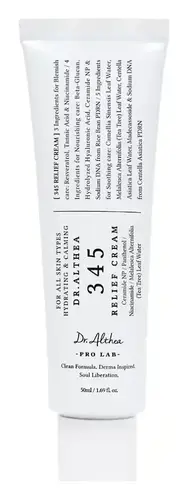
This barrier-repair moisturizer is formulated around Allantoin and Bifida Ferment Lysate to strengthen the skin barrier and calm redness.

What's inside
What's inside
 Key Ingredients

Benefits
Concerns
Ingredients Side-by-side
Water
Skin ConditioningButylene Glycol
Humectant

Isohexadecane
EmollientPolyacrylamide
Avena Sativa Kernel Extract
Abrasive



Oryza Sativa Bran Extract
Skin Conditioning
Inositol
Humectant
Glycyrrhiza Glabra Root Extract
Bleaching


Glycerin
Humectant
Polysorbate 20
Emulsifying

C13-14 Isoparaffin
Emollient
C9-11 Pareth-6
EmulsifyingAluminum Starch Octenylsuccinate
Absorbent
Ascorbyl Glucoside
Antioxidant

Parfum
Masking



DMDM Hydantoin
Preservative
Sodium Hyaluronate
Humectant
Collagen
Moisturising
Sodium Lactate
Buffering
Water, Butylene Glycol, Isohexadecane, Polyacrylamide, Avena Sativa Kernel Extract, Oryza Sativa Bran Extract, Inositol, Glycyrrhiza Glabra Root Extract, Glycerin, Polysorbate 20, C13-14 Isoparaffin, C9-11 Pareth-6, Aluminum Starch Octenylsuccinate, Ascorbyl Glucoside, Parfum, DMDM Hydantoin, Sodium Hyaluronate, Collagen, Sodium Lactate
1,2-Hexanediol
Skin Conditioning
Allantoin
Skin Conditioning
Amodimethicone

Water
Skin ConditioningBifida Ferment Lysate
Skin Conditioning
Biosaccharide Gum-1
Humectant
Bisabolol
Antioxidant
Butylene Glycol
Humectant
C13-14 Isoparaffin
Emollient
Caprylhydroxamic Acid
Carbomer
Emulsion StabilisingCetearyl Olivate
Chlorphenesin
Antimicrobial
Citric Acid
Buffering
Dimethicone
Emollient
Dimethicone/Vinyl Dimethicone Crosspolymer
Skin Conditioning
Disodium EDTA
Glycerin
Humectant
Laureth-7
EmulsifyingMirabilis Jalapa Extract
Skin ConditioningNiacinamide
Smoothing



Pentylene Glycol
Skin Conditioning
Phenoxyethanol
Preservative
Polyacrylamide
Propanediol
Solvent
Saccharide Isomerate
Humectant
Sodium Citrate
BufferingSodium Hyaluronate
Humectant
Sodium Hydroxide
BufferingSorbitan Olivate
Emulsifying
1,2-Hexanediol, Allantoin, Amodimethicone, Water, Bifida Ferment Lysate, Biosaccharide Gum-1, Bisabolol, Butylene Glycol, C13-14 Isoparaffin, Caprylhydroxamic Acid, Carbomer, Cetearyl Olivate, Chlorphenesin, Citric Acid, Dimethicone, Dimethicone/Vinyl Dimethicone Crosspolymer, Disodium EDTA, Glycerin, Laureth-7, Mirabilis Jalapa Extract, Niacinamide, Pentylene Glycol, Phenoxyethanol, Polyacrylamide, Propanediol, Saccharide Isomerate, Sodium Citrate, Sodium Hyaluronate, Sodium Hydroxide, Sorbitan Olivate
Ingredients Explained
These ingredients are found in both products.
Ingredients higher up in an ingredient list are typically present in a larger amount.
Butylene Glycol (or BG) is used within cosmetic products for a few different reasons:
Overall, Butylene Glycol is a safe and well-rounded ingredient that works well with other ingredients.
Though this ingredient works well with most skin types, some people with sensitive skin may experience a reaction such as allergic rashes, closed comedones, or itchiness.
Learn more about Butylene GlycolC13-14 Isoparaffin is a synthetic emollient, solvent, and thickening agent. It helps soften skin and improves spreadability without leaving a greasy residue.
This ingredient has been found to be non-sensitizing and safe for use in cosmetics.
Two things floating around online that cause fear-mongering:
There's one scary-sounding study related to kidney tumors in male rats; this depends on a protein called alpha-2u-globulin that binds the ingredient and clogs up kidney cells. Female rats barely make this protein, and humans don't make it at all so this effect cannot happen to us. Regulatory bodies have states this rat-only pathway shouldn't be used to judge human risk.
The other thing you'll see is 1,4-dioxane being a trace byproduct that can form during manufacturing of petroleum-derived ingredients. This is a real, but heavily managed/monitored issue. This byproduct is removed through purification steps before the ingredients goes into the formula. Regulatory bodies also actively monitor residual levels for safety.
One last thing to note: this ingredient is a pure hydrocarbon with no fatty-acid or ester chains for Malassezia to feed on, so it's considered fungal acne safe.
Learn more about C13-14 IsoparaffinGlycerin (or glycerol) is a compound naturally found in your skin. It's a powerhouse humectant that pulls water into the stratum corneum.
Topically, glycerin does several things at once:
Your skin makes glycerin on its own (mostly from sebaceous oil breakdown) and shuttles it to your outermost layer of skin, or your epidermis, via aquaporin-3.
Aquaporin-3 is a transporter that is essential for normal skin hydration, elasticity, and repair. Interestingly, mice lacking in AQP3 have dry and less elastic skin that can be fully corrected with glycerin.
This ingredient is non-irritating, plays well with almost every ingredient, and works across all skin types. Typical use is anywhere between 3-10% but can go up to 79% in some leave-on products.
Just know very high concentrations (>40%) can feel tacky in low humidity.
Glycerin is the name for this ingredient in American English. British English uses Glycerol/Glycerine.
Learn more about GlycerinPolyacrylamide is a synthetic polymer. It is used to stabilize products and bind ingredients. When hydrated, Polyacrylamide forms a soft gel.
Polyacrylamide is low-toxicity. If source properly, it is deemed safe to use in cosmetics.
It should be noted the precursor to Polyacrylamide is acrylamide. Acrylamide is a carcinogen. Most reputable sources of Polyacrylamide will screen for residual acrylamide to make sure the count is in a safe range. Acrylamide is not able to be absorbed through the skin.
We recommend speaking with a professional if you have concerns.
Learn more about PolyacrylamideSodium Hyaluronate is the salt form of hyaluronic acid. It is a long sugar chain that is naturally found in your skin, joints, and connective tissue that maintains hydration and elasticity.
In skincare, it works as a humectant. It pulls water from the environment and deeper layers of skin and binds it to the surface.
Interestingly, the size of the molecule affects its behavior:
Some clinical evidence links low molecular weight versions to improved wrinkle depth, elasticity, anti-inflammatory effects, and barrier repair.
Many serums use a blend of both weights so you can get surface hydration plus longer-lasting and deeper effects.
You'll typically see concentrations between 0.1-2% for this ingredient.
Learn more about Sodium HyaluronateWater. It's the most common cosmetic ingredient of all. You'll usually see it at the top of ingredient lists, meaning that it makes up the largest part of the product.
So why is it so popular? Water most often acts as a solvent - this means that it helps dissolve other ingredients into the formulation.
You'll also recognize water as that liquid we all need to stay alive. If you see this, drink a glass of water. Remember to stay hydrated!
Learn more about Water