
What's inside
What's inside
 Key Ingredients
Benefits
Concerns
Ingredients Side-by-side
Water
Skin ConditioningGlycerin
Humectant


Butylene Glycol
Humectant
Sodium Ascorbyl Phosphate 2%
Antioxidant





Niacinamide 2%
Smoothing





Urea
Buffering
Betaine 1%
Humectant
Biosaccharide Gum-1
Humectant
Ethoxydiglycol
HumectantPhenoxyethanol
Preservative
Citric Acid
Buffering

Carbomer
Emulsion StabilisingAllantoin
Skin Conditioning
Xanthan Gum
EmulsifyingParfum
Masking


Triethylene Glycol
Masking
Aminomethyl Propanol
BufferingDisodium EDTA
Sodium Metabisulfite
Antioxidant
Hydrogenated Lecithin
Emulsifying
CI 15985
Cosmetic ColorantGlycine Soja Sterols
Emollient
Sodium Polygamma-Glutamate
Emulsion Stabilising2-Aminobutanol
BufferingChlorphenesin
Antimicrobial
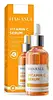
Water, Glycerin, Butylene Glycol, Sodium Ascorbyl Phosphate 2%, Niacinamide 2%, Urea, Betaine 1%, Biosaccharide Gum-1, Ethoxydiglycol, Phenoxyethanol, Citric Acid, Carbomer, Allantoin, Xanthan Gum, Parfum, Triethylene Glycol, Aminomethyl Propanol, Disodium EDTA, Sodium Metabisulfite, Hydrogenated Lecithin, CI 15985, Glycine Soja Sterols, Sodium Polygamma-Glutamate, 2-Aminobutanol, Chlorphenesin
Water
Skin ConditioningButylene Glycol
Humectant
Propylene Glycol
Humectant
Glycolic Acid
Buffering
Glycerin
Humectant
Succinic Acid
BufferingSilanediol Salicylate
EmollientEthoxydiglycol
HumectantPEG-40 Hydrogenated Castor Oil
Emulsifying
Trideceth-9
EmulsifyingSodium Lactate
Buffering
Sodium PCA
Humectant
Hydroxypropyl Methylcellulose
Emulsion StabilisingDMDM Hydantoin
Preservative
Glycyrrhiza Glabra Root Extract
Bleaching
Triethanolamine
BufferingSodium Hydroxide
BufferingTetrasodium EDTA
Iodopropynyl Butylcarbamate
Preservative
Fructose
Humectant
Glycine
Buffering
Inositol
Humectant
Lactic Acid
Buffering
Niacinamide
Smoothing
Urea
Buffering
Glabridin
BleachingBenzoic Acid
Masking
Sodium Benzoate
Masking
Sodium Methylparaben
Preservative
Sodium Chloride
MaskingPropylparaben
Preservative
CI 14720
Cosmetic ColorantCI 15985
Cosmetic ColorantCI 42090
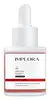
Cosmetic ColorantWater, Butylene Glycol, Propylene Glycol, Glycolic Acid, Glycerin, Succinic Acid, Silanediol Salicylate, Ethoxydiglycol, PEG-40 Hydrogenated Castor Oil, Trideceth-9, Sodium Lactate, Sodium PCA, Hydroxypropyl Methylcellulose, DMDM Hydantoin, Glycyrrhiza Glabra Root Extract, Triethanolamine, Sodium Hydroxide, Tetrasodium EDTA, Iodopropynyl Butylcarbamate, Fructose, Glycine, Inositol, Lactic Acid, Niacinamide, Urea, Glabridin, Benzoic Acid, Sodium Benzoate, Sodium Methylparaben, Sodium Chloride, Propylparaben, CI 14720, CI 15985, CI 42090
Reviews
Ingredients Explained
These ingredients are found in both products.
Ingredients higher up in an ingredient list are typically present in a larger amount.
Butylene Glycol (or BG) is used within cosmetic products for a few different reasons:
Overall, Butylene Glycol is a safe and well-rounded ingredient that works well with other ingredients.
Though this ingredient works well with most skin types, some people with sensitive skin may experience a reaction such as allergic rashes, closed comedones, or itchiness.
Learn more about Butylene GlycolCi 15985 is a dye made from petroleum. It is synthetically created and approved by the FDA for use in foods and cosmetics.
The color of this dye is orange/yellow.
This ingredient can be found in makeup, sun care, and skincare.
Learn more about CI 15985Ethoxydiglycol is a synthetic solvent.
Solvents are used to keep ingredients together in a product. They can help dissolve ingredients to stable bases or help evenly distribute ingredients throughout the product.
Ethoxydiglycol also helps deliver other key ingredients into the skin.
Learn more about EthoxydiglycolGlycerin (or glycerol) is a compound naturally found in your skin. It's a powerhouse humectant that pulls water into the stratum corneum.
Topically, glycerin does several things at once:
Your skin makes glycerin on its own (mostly from sebaceous oil breakdown) and shuttles it to your outermost layer of skin, or your epidermis, via aquaporin-3.
Aquaporin-3 is a transporter that is essential for normal skin hydration, elasticity, and repair. Interestingly, mice lacking in AQP3 have dry and less elastic skin that can be fully corrected with glycerin.
This ingredient is non-irritating, plays well with almost every ingredient, and works across all skin types. Typical use is anywhere between 3-10% but can go up to 79% in some leave-on products.
Just know very high concentrations (>40%) can feel tacky in low humidity.
Glycerin is the name for this ingredient in American English. British English uses Glycerol/Glycerine.
Learn more about GlycerinNiacinamide is a multitasking form of vitamin B3 that strengthens the skin barrier, reduces pores and dark spots, regulates oil, and improves signs of aging.
And the best part? It's gentle and well-tolerated by most skin types, including sensitive and reactive skin.
You might have heard of "niacin flush", or the reddening of skin that causes itchiness. Niacinamide has not been found to cause this.
In very rare cases, some individuals may not be able to tolerate niacinamide at all or experience an allergic reaction to it.
If you are experiencing flaking, irritation, and dryness with this ingredient, be sure to double check all your products as this ingredient can be found in all categories of skincare.
When incorporating niacinamide into your routine, look out for concentration amounts. Typically, 5% niacinamide provides benefits such as fading dark spots. However, if you have sensitive skin, it is better to begin with a smaller concentration.
When you apply niacinamide to your skin, your body converts it into nicotinamide adenine dinucleotide (NAD). NAD is an essential coenzyme that is already found in your cells as "fuel" and powers countless biological processes.
In your skin, NAD helps repair cell damage, produce new healthy cells, support collagen production, strengthen the skin barrier, and fight environmental stressors (like UV and pollution).
Our natural NAD levels start to decline with age, leading to slower skin repair, visible aging, and a weaker skin barrier. By providing your skin niacinamide, you're recharging your skin's NAD levels. This leads to stronger, healthier, and younger looking skin.
Another name for vitamin B3 is nicotinamide. This vitamin is water-soluble and our bodies don't store it. We obtain Vitamin B3 from either food or skincare. Meat, fish, wheat, yeast, and leafy greens contain vitamin B3.
The type of niacinamide used in skincare is synthetically created.
Learn more about NiacinamideUrea is also called carbamide and is the diamide of carbonic acid. In cosmetics, urea is used to hydrate the skin. It also provides exfoliation in higher concentrations.
As a humectant, urea helps draw moisture from the air and from deep within the skin. This helps hydrate your skin. Studies show urea is an effective moisturizer for dry skin conditions. 40% urea is typical in medications for treating eczema and other skin conditions.
Urea has the strongest exfoliation effect in concentrations higher than 10%. It is a keratolytic agent, meaning it breaks down the keratin protein in the top layer of skin. This helps remove dead skin cells and flaking skin.
In medicine, urea has been shown to help increase the potency of other ingredients, such as fungal treatments.
Humans and animals use urea to metabolize nitrogen-containing compounds. Urea is highly soluble in water. Once dissolved, it is neither acidic nor alkaline.
Urea is actually one of the more well-studied and well-supported ingredients out there if you have eczema.
Clinical trials have shown that urea creams in the 5 - 10% range can:
Higher concentrations (20 -30%) can also help with thickened, scaly patches but is also more likely to sting on active flares.
Skip urea if you have rosacea. The AAD (American Academy of Dermatology) lists it alongside alcohol, menthol, and fragrance as a potential irritant for rosacea-prone skin. Urea's keratolytic and penetration-enhancing properties can trigger stinging, burning, and redness.
As always, your skin is unique, so definitely check in with your dermatologist.
Learn more about UreaWater. It's the most common cosmetic ingredient of all. You'll usually see it at the top of ingredient lists, meaning that it makes up the largest part of the product.
So why is it so popular? Water most often acts as a solvent - this means that it helps dissolve other ingredients into the formulation.
You'll also recognize water as that liquid we all need to stay alive. If you see this, drink a glass of water. Remember to stay hydrated!
Learn more about Water
