Hada Labo Skin Purifying Micellar Cleansing Water Versus Hada Labo Pore Refining Micellar Cleansing Water
This salicylic acid micellar makeup remover is made to dissolve makeup, sunscreen, and daily buildup.
This mild micellar makeup remover is made to dissolve makeup, sunscreen, and daily buildup.

What's inside
What's inside
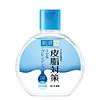 Key Ingredients
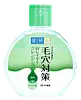
Benefits
Concerns
Ingredients Side-by-side
Water
Skin ConditioningDipropylene Glycol
HumectantPEG-6 Caprylic/Capric Glycerides
EmulsifyingSilica
Abrasive


Sodium Chloride
MaskingTea-Lauroyl Glutamate
CleansingPhenoxyethanol
Preservative
Chlorphenesin
Antimicrobial
Coceth-7
EmulsifyingPPG-1-PEG-9 Lauryl Glycol Ether
EmulsifyingPEG-40 Hydrogenated Castor Oil
Emulsifying


Alluvial Mud
Abrasive
Disodium EDTA
ChelatingIodopropynyl Butylcarbamate
Preservative
Sodium Hyaluronate
Humectant




Zinc Hydrolyzed Hyaluronate
HumectantEthylhexylglycerin
Skin ConditioningAcacia Senegal Gum
MaskingSalicylic Acid
Masking






Phospholipids
Skin Conditioning
Potassium Sorbate
Preservative
Sphingolipids
Emollient
Sodium Citrate
BufferingWater, Dipropylene Glycol, PEG-6 Caprylic/Capric Glycerides, Silica, Sodium Chloride, Tea-Lauroyl Glutamate, Phenoxyethanol, Chlorphenesin, Coceth-7, PPG-1-PEG-9 Lauryl Glycol Ether, PEG-40 Hydrogenated Castor Oil, Alluvial Mud, Disodium EDTA, Iodopropynyl Butylcarbamate, Sodium Hyaluronate, Zinc Hydrolyzed Hyaluronate, Ethylhexylglycerin, Acacia Senegal Gum, Salicylic Acid, Phospholipids, Potassium Sorbate, Sphingolipids, Sodium Citrate
Water
Skin ConditioningIsododecane
EmollientIsohexadecane
EmollientGlycerin
Humectant
C12-15 Alkyl Benzoate
AntimicrobialIsopropyl Palmitate
Emollient

Propylene Glycol
Humectant
Propanediol
Solvent
Sodium Chloride
MaskingRosa Damascena Flower Water
Masking
Phenoxyethanol
Preservative
Polyaminopropyl Biguanide
Preservative
Ethylhexylglycerin
Skin ConditioningZinc Hydrolyzed Hyaluronate
HumectantSodium Hyaluronate
Humectant
Dextrin
AbsorbentDisodium Phosphate
BufferingPotassium Phosphate
BufferingProtease
Exfoliating
Lipase
Skin ConditioningBifida Ferment Lysate
Skin Conditioning
Phospholipids
Skin Conditioning
Phenethyl Alcohol
MaskingLactose
HumectantMilk Protein
Skin ConditioningPotassium Sorbate
Preservative
Sphingolipids
Emollient
Sodium Citrate
BufferingWater, Isododecane, Isohexadecane, Glycerin, C12-15 Alkyl Benzoate, Isopropyl Palmitate, Propylene Glycol, Propanediol, Sodium Chloride, Rosa Damascena Flower Water, Phenoxyethanol, Polyaminopropyl Biguanide, Ethylhexylglycerin, Zinc Hydrolyzed Hyaluronate, Sodium Hyaluronate, Dextrin, Disodium Phosphate, Potassium Phosphate, Protease, Lipase, Bifida Ferment Lysate, Phospholipids, Phenethyl Alcohol, Lactose, Milk Protein, Potassium Sorbate, Sphingolipids, Sodium Citrate
Ingredients Explained
These ingredients are found in both products.
Ingredients higher up in an ingredient list are typically present in a larger amount.
Ethylhexylglycerin is created from glycerin. It is a multitasker ingredient that:
The CIR Expert Panel found minimal skin absorption or sensitization of any kind in a safety assessment. Though this ingredient is considered well-tolerated, a small number of cases of allergic dermatitis have been published since 2002. Just be sure to patch test if you are unsure.
Industry-reported use ranges from 8% in rinse-off products and 2% in leave-on formulations.
Learn more about EthylhexylglycerinPhenoxyethanol is one of the most widely used preservatives in skincare (and for good reason!).
It has a large spectrum of antimicrobial activity and especially effective bacteria, yeast, and mold while only having a weak effect on your skin's natural microbiome.
On a cellular level, it disrupts the cell membranes of microbes by poking holes that make the cell leak. This shuts down the chemical reactions the microbe needs to make energy so it can no longer survive.
Another perk of this ingredient is that it stays functional across a wide pH range (3-10).
You'll often see it paired with boosters like Ethylhexylglycerin; one study showed that a 1:9 ratio of Ethylhexylglycerin to Phenoxyethanol damages bacterial membranes as effectively as doubling the Phenoxyethanol concentration on its own.
Typical use concentrations range from 0.3-1% depending on the formula, and this ingredient is capped at 1% int the EU.
Safety-wise, the fear mongering does not hold up to the evidence. The EU's Scientific Committee on Consumer Safety and FDA consider it safe as a preservative at up to 1%, including for children of all ages.
Adverse systemic effects only showed up in animal studies at exposures roughly 200x higher than what people get from cosmetics. And despite its very widespread use, this ingredient is a rare sensitizer and allergic reactions are uncommon.
Learn more about PhenoxyethanolPhospholipids are a family of skin-identical lipids that makeup the structural backbone of every cell membrane in your body.
In cosmetics, they function as skin conditioning agents with emulsifier and surfactant properties. They're typically sourced from soybean or sunflower lecithin (or sometimes egg yolk or marine sources).
Because they mirror the lipids naturally found in the deeper layers of your skin, topical phospholipids help reinforce the lipid matrix, reduce transepidermal water loss, and leave skin feeling conditioned.
They're also used to form liposomes, or tiny self-assembling vesible used to stabilize actives like vitamin c or retinol. This helps these ingredients integrate into the upper layers of skin more easily.
Phospholipids are compatible with everything and the CIR Expert Panel has concluded them to be safe at current use levels.
Some types of phospholipids include:
Learn more about PhospholipidsPotassium Sorbate is a preservative used to prevent yeast and mold in products. It is commonly found in both cosmetic and food products.
This ingredient comes from potassium salt derived from sorbic acid. Sorbic acid is a natural antibiotic and effective against fungus.
Both potassium sorbate and sorbic acid can be found in baked goods, cheeses, dried meats, dried fruit, ice cream, pickles, wine, yogurt, and more.
You'll often find this ingredient used with other preservatives.
Learn more about Potassium SorbateChances are, you eat sodium chloride every day. Sodium Chloride is also known as table salt. This ingredient has many purposes in skincare: thickener, emulsifier, and exfoliator.
You'll most likely find this ingredient in cleansers where it is used to create a gel-like texture. As an emulsifier, it also prevents ingredients from separating.
You might see people debate whether Sodium Chloride is comedogenic, but there actually haven't been any comedogenic tests done on it. Either way, the overall formulation of a product matters a lot more than any single ingredient.
You might see this ingredient used in scrubs as a primary exfoliating ingredient.
Learn more about Sodium ChlorideSodium Citrate is the sodium salts of citric acid. In skincare, it is used to alter pH levels and acts as a preservative.
Its main functions are to maintain the pH of a product and neutralize metal ions.
The acidity of our skin is maintained by our glands and skin biome; normal pH level of skin is slightly acidic (~4.75-5.5).
Being slightly acidic allows our skin to create an "acid mantle". This acid mantle is a thin barrier that protects our skin from bacteria and contaminants.
Learn more about Sodium CitrateSodium Hyaluronate is the salt form of hyaluronic acid. It is a long sugar chain that is naturally found in your skin, joints, and connective tissue that maintains hydration and elasticity.
In skincare, it works as a humectant. It pulls water from the environment and deeper layers of skin and binds it to the surface.
Interestingly, the size of the molecule affects its behavior:
Some clinical evidence links low molecular weight versions to improved wrinkle depth, elasticity, anti-inflammatory effects, and barrier repair.
Many serums use a blend of both weights so you can get surface hydration plus longer-lasting and deeper effects.
You'll typically see concentrations between 0.1-2% for this ingredient.
Learn more about Sodium HyaluronateSphingolipids are a major class of lipids in cell membranes. This ingredient has emollient, skin conditioning, and skin protecting properties.
Certain ceramides are considered sphingolipids (Ceramide NS and Ceramid AP), but not all sphingolipids are ceramides.
Water. It's the most common cosmetic ingredient of all. You'll usually see it at the top of ingredient lists, meaning that it makes up the largest part of the product.
So why is it so popular? Water most often acts as a solvent - this means that it helps dissolve other ingredients into the formulation.
You'll also recognize water as that liquid we all need to stay alive. If you see this, drink a glass of water. Remember to stay hydrated!
Learn more about WaterWe don't have a description for Zinc Hydrolyzed Hyaluronate yet.


