
What's inside
What's inside
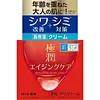 Key Ingredients
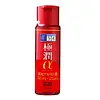
Benefits
Concerns
Ingredients Side-by-side
Niacinamide
Smoothing










Sodium Hyaluronate
Humectant

Hydrolyzed Hyaluronic Acid
Humectant
Sodium Acetylated Hyaluronate
Humectant
Acetyl Glucosamine
Skin ConditioningWine Extract
Antioxidant
Butyrospermum Parkii Butter
Skin Conditioning


Tocopherol
Antioxidant
Glycerin
Humectant
Butylene Glycol
Humectant
Capric Acid
Cleansing
C20 Olefin
1,5-Pentanediol
SolventPolyglyceryl-5 Triisostearate
Cleansing
PEG-20 Sorbitan Isostearate
Emulsifying
Polyethylene
Abrasive
Dimethicone
Emollient
Pullulan
Polyvinylalcohol Crosspolymer
Melaleuca Alternifolia Leaf Oil
Antioxidant

Salicylic Acid
Masking



Citric Acid
Buffering

Behenyl Alcohol
Emollient
Stearyl Alcohol
Emollient
Hyaluronic Acid
Humectant
Niacinamide, Sodium Hyaluronate, Hydrolyzed Hyaluronic Acid, Sodium Acetylated Hyaluronate, Acetyl Glucosamine, Wine Extract, Butyrospermum Parkii Butter, Tocopherol, Glycerin, Butylene Glycol, Capric Acid, C20 Olefin, 1,5-Pentanediol, Polyglyceryl-5 Triisostearate, PEG-20 Sorbitan Isostearate, Polyethylene, Dimethicone, Pullulan, Polyvinylalcohol Crosspolymer, Melaleuca Alternifolia Leaf Oil, Salicylic Acid, Citric Acid, Behenyl Alcohol, Stearyl Alcohol, Hyaluronic Acid
Water
Skin ConditioningButylene Glycol
Humectant
Glycerin
Humectant
Hyaluronic Acid/Polyglutamic Acid Crosspolymer
Antioxidant
Sodium Hyaluronate
Humectant
Hydrolyzed Hyaluronic Acid
Humectant
Hydrolyzed Elastin
EmollientTetrapeptide-5
Skin Conditioning
Hydrolyzed Collagen
Emollient
Lactobacillus
Skin ConditioningPhytosteryl Macadamiate
Skin Conditioning
Phytosteryl/Octyldodecyl Lauroyl Glutamate
Skin ConditioningSqualane
Emollient
Diglycerin
Humectant
Pullulan
Limnanthes Alba Seed Oil
Skin Conditioning
Pentylene Glycol
Skin ConditioningPolyquaternium-51
Skin Conditioning
Isohexadecane
EmollientXanthan Gum
EmulsifyingCarbomer
Emulsion StabilisingCaprylic/Capric Triglyceride
Masking
PPG-10 Methyl Glucose Ether
Skin ConditioningPolyacrylate Crosspolymer-11
Emulsion StabilisingHydroxyethyl Acrylate/Methoxyethyl Acrylate Copolymer
Polysorbate 60
Emulsifying
Ammonium Acrylates Copolymer
PEG-20 Sorbitan Isostearate
Emulsifying
Melaleuca Alternifolia Leaf Oil
Antioxidant
Disodium EDTA
Methylparaben
Preservative

Water, Butylene Glycol, Glycerin, Hyaluronic Acid/Polyglutamic Acid Crosspolymer, Sodium Hyaluronate, Hydrolyzed Hyaluronic Acid, Hydrolyzed Elastin, Tetrapeptide-5, Hydrolyzed Collagen, Lactobacillus, Phytosteryl Macadamiate, Phytosteryl/Octyldodecyl Lauroyl Glutamate, Squalane, Diglycerin, Pullulan, Limnanthes Alba Seed Oil, Pentylene Glycol, Polyquaternium-51, Isohexadecane, Xanthan Gum, Carbomer, Caprylic/Capric Triglyceride, PPG-10 Methyl Glucose Ether, Polyacrylate Crosspolymer-11, Hydroxyethyl Acrylate/Methoxyethyl Acrylate Copolymer, Polysorbate 60, Ammonium Acrylates Copolymer, PEG-20 Sorbitan Isostearate, Melaleuca Alternifolia Leaf Oil, Disodium EDTA, Methylparaben
Ingredients Explained
These ingredients are found in both products.
Ingredients higher up in an ingredient list are typically present in a larger amount.
Butylene Glycol (or BG) is used within cosmetic products for a few different reasons:
Overall, Butylene Glycol is a safe and well-rounded ingredient that works well with other ingredients.
Though this ingredient works well with most skin types, some people with sensitive skin may experience a reaction such as allergic rashes, closed comedones, or itchiness.
Learn more about Butylene GlycolGlycerin is already naturally found in your skin. It helps moisturize and protect your skin.
A study from 2016 found glycerin to be more effective as a humectant than AHAs and hyaluronic acid.
As a humectant, it helps the skin stay hydrated by pulling moisture to your skin. The low molecular weight of glycerin allows it to pull moisture into the deeper layers of your skin.
Hydrated skin improves your skin barrier; Your skin barrier helps protect against irritants and bacteria.
Glycerin has also been found to have antimicrobial and antiviral properties. Due to these properties, glycerin is often used in wound and burn treatments.
In cosmetics, glycerin is usually derived from plants such as soybean or palm. However, it can also be sourced from animals, such as tallow or animal fat.
This ingredient is organic, colorless, odorless, and non-toxic.
Glycerin is the name for this ingredient in American English. British English uses Glycerol/Glycerine.
Learn more about GlycerinHydrolyzed Hyaluronic Acid is a form of hyaluronic acid. It is created by the hydrolysis of hyaluronic acid with a high molecular weight. Once created, Hydrolyzed Hyaluronic Acid has a low molecular weight.
Low molecular weight HA has been shown to hydrate and increase elasticity of the skin. Increasing elasticity is also associated with reduction of wrinkle depth.
One study found topical low molecular weight hyaluronic acid may be considered for the treatment of rosacea in the adult population. However, we always recommend speaking with a professional about your skin concerns.
Hyaluronic acids are a humectant. This means they draw moisture from the air. Hyaluronic acids help moisturize, soothe, and protect the skin.
Read more about other common forms of hyaluronic acid:
Learn more about Hydrolyzed Hyaluronic AcidThis tea tree oil comes from the leaves of the Tea Tree plant. Tea tree oil has antioxidant, anti-inflammatory, and antimicrobial properties.
According to the book Journal of Profiles of Drug Substances, tea tree helps in reducing acne-causing bacteria such as Propionibacterium acnes. This is due to the Terpinen components of tea tree oil.
Tea tree may cause sensitivity and irritation for some people. This oil naturally contains fragrance such as linalool and limonene.
However, research shows irritation usually occurs when using pure tea tree oil and not in cosmetic products.
Tea tree oil was found to help relieve the symptoms of psoriasis in one study.
Tea tree oil is toxic when ingested. Another study showed it to caused damage to the nervous system of dogs and cats when applied to their skin or given orally.
Learn more about Melaleuca Alternifolia Leaf OilPEG-20 Sorbitan Isostearate isn't fungal acne safe.
Pullulan is a low viscosity polysaccharide (a long chain carbohydrate) with binding and film forming properties when dissolved in water. It is used to create a "silicone-like" or silky feel in cosmetics without adding viscosity.
According to a manufacturer, this ingredient's ability to easily dissolves makes it a great carrier for active ingredients.
Due to it being edible and tasteless, you'll likely find this ingredient in breath freshener strips. This ingredient is produced from the starch of the fungus, Aureobasidium pullulans.
Pullulan is stable over a broad-range of pH.
Learn more about PullulanSodium Hyaluronate is hyaluronic acid's salt form. It is commonly derived from the sodium salt of hyaluronic acid.
Like hyaluronic acid, it is great at holding water and acts as a humectant. This makes it a great skin hydrating ingredient.
Sodium Hyaluronate is naturally occurring in our bodies and is mostly found in eye fluid and joints.
These are some other common types of Hyaluronic Acid:
Learn more about Sodium Hyaluronate
